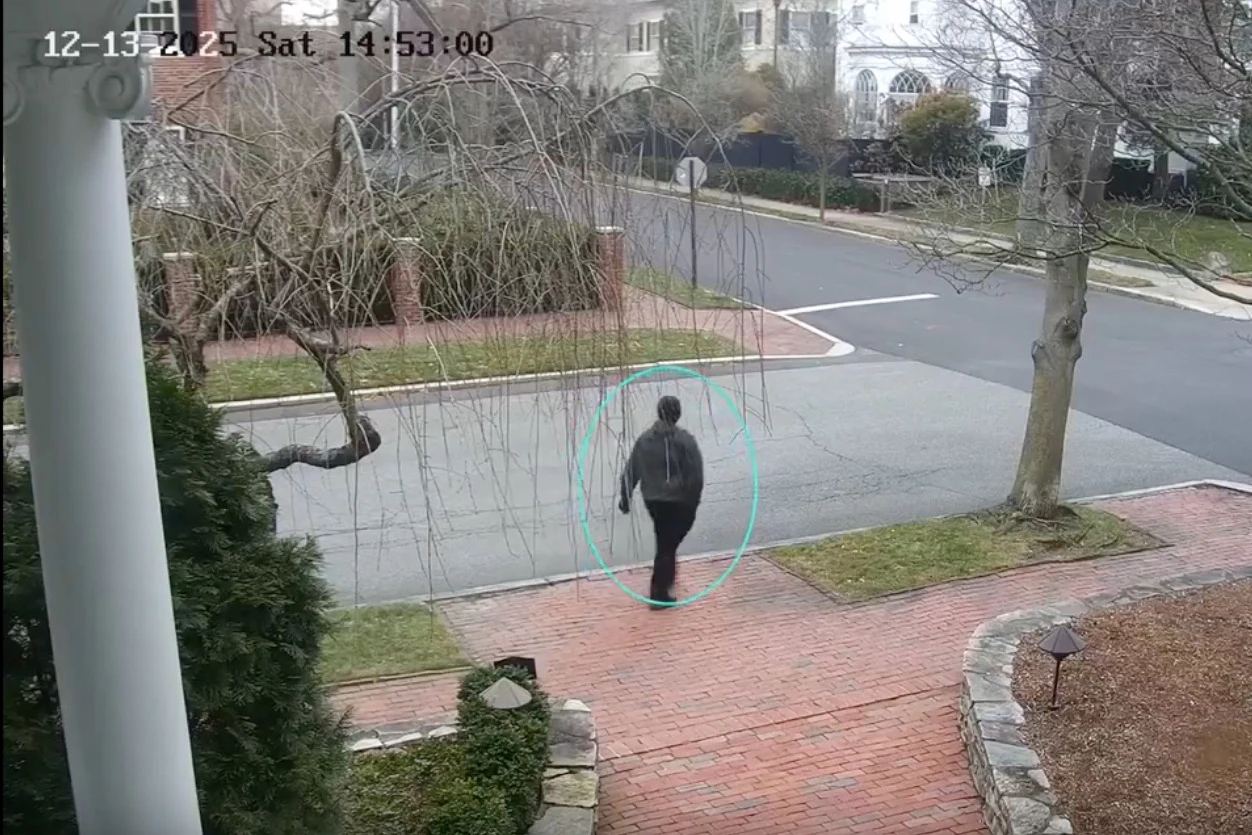
WASHINGTON (AP) — President Donald Trump suspended the green card lottery program on Thursday that allowed the suspect in the Brown University and MIT shootings to come to the United States.
Homeland Security Secretary Kristi Noem stated on the social platform X that, at Trump’s direction, she had ordered the United States Citizenship and Immigration Services to pause the program. “This heinous individual should never have been allowed in our country,” she emphasized, referring to the suspect, Portuguese national Claudio Neves Valente.
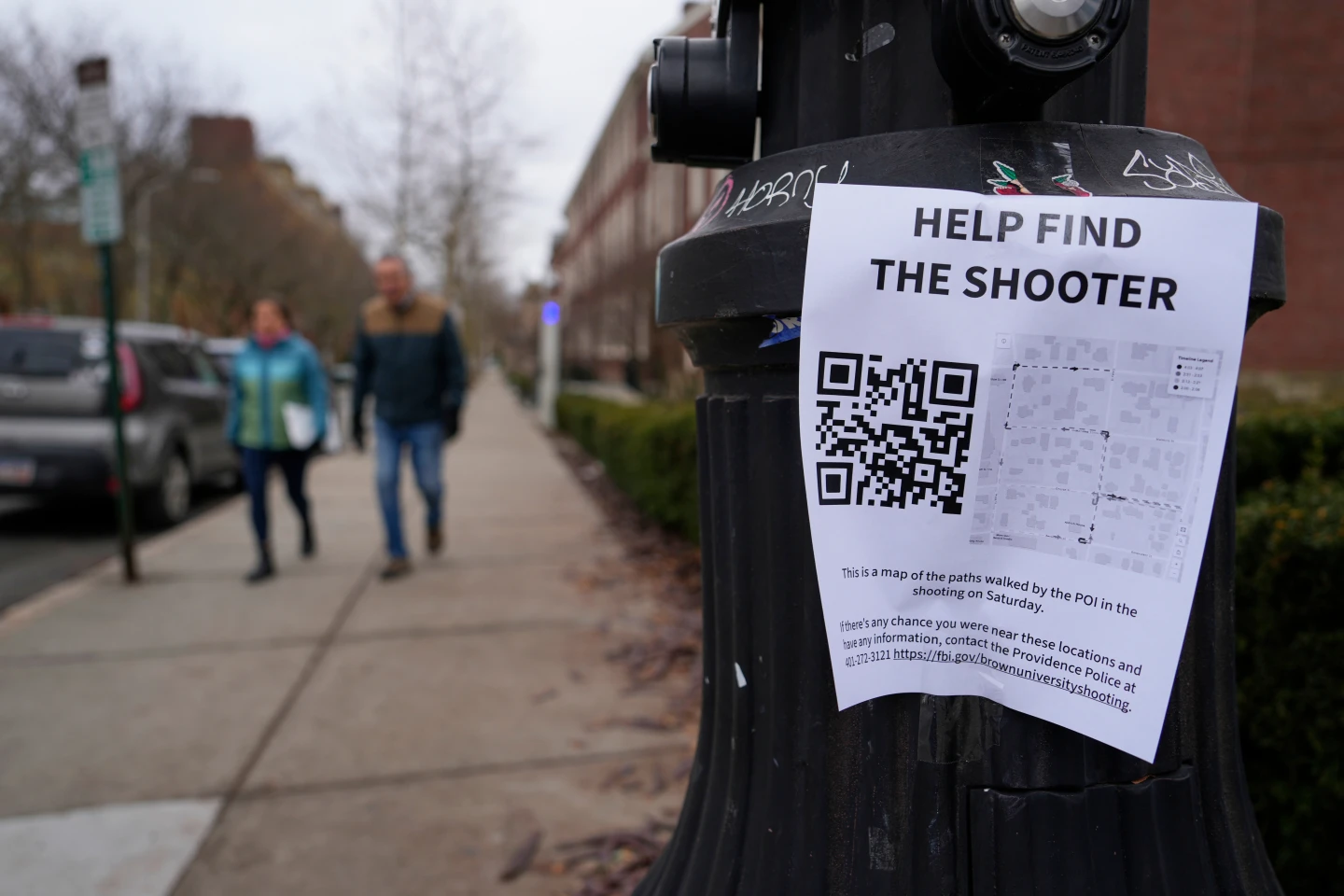
Neves Valente, 48, is suspected in the shootings at Brown University that resulted in two fatalities and numerous injuries, along with the killing of an MIT professor. Authorities reported he was found dead from a self-inflicted gunshot wound Thursday evening.
Neves Valente obtained legal permanent resident status in 2017, according to U.S. attorney for Massachusetts Leah B. Foley.
The diversity visa program makes available up to 50,000 green cards annually through a lottery for individuals from countries that are underrepresented in the U.S., many of which are located in Africa. This program was established by Congress, and its suspension is expected to face legal challenges.
Nearly 20 million people applied for the 2025 visa lottery, with over 131,000 selected, including their spouses. However, only 38 slots were awarded to Portuguese citizens.
Lottery winners must apply for a green card through interviews at U.S. consulates and undergo the same vetting processes as other applicants.
Trump has long criticized the diversity visa lottery, and this announcement is part of a pattern of using tragic events to push for changes in immigration policy. After a past incident targeting National Guard members, his administration enforced strict immigration regulations affecting Afghans and others.
Trump's broader agenda includes limiting avenues to legal immigration, expressing willingness to challenge established legal frameworks surrounding immigration, including birthright citizenship rights recently taken up by the Supreme Court.