A US special forces soldier involved in the military operation that captured Nicolas Maduro has been arrested after he allegedly bet on the removal of Venezuela's former leader before the information was publicly available.
The US Department of Justice (DOJ) has charged Gannon Ken Van Dyke after he allegedly made trades on Polymarket, a crypto-powered platform, based on classified information.
That is clear insider trading and is illegal under federal law, justice department officials said.
Van Dyke, an active-duty soldier in the US Army stationed at Fort Bragg in North Carolina, won over $409,000 (£303,702) from his bets.
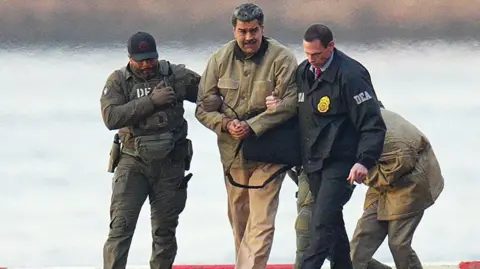
US forces seized Maduro and his wife Cilia Flores from their compound in Caracas during a night raid on January 3, bringing them to New York to face allegations of weapon and drug offenses, which they deny.
Van Dyke allegedly placed bets on the timing and outcome of the operation, known as Operation Absolute Resolve, all to turn a profit, stated the DOJ on Thursday.
According to the indictment, on or about December 26, 2025, Van Dyke created a Polymarket account and began trading on Maduro and Venezuela-related markets, betting more than $33,000 while in possession of classified nonpublic information about Operation Absolute Resolve.
In a statement on social media on Thursday, Polymarket confirmed they referred the case to the DOJ, highlighting their commitment to prevent insider trading on their platform.
Van Dyke has since been charged with unlawful use of confidential government information for personal gain, theft of nonpublic government information, commodities fraud, wire fraud, and making an unlawful monetary transaction.
The DOJ emphasized the trust placed in soldiers concerning classified information and asserted that such information must not be used for financial gain.
Furthermore, the Commodity Futures Trading Commission (CFTC) has filed a complaint against Van Dyke for engaging in insider trading.
When questioned about the matter, US President Donald Trump acknowledged he would investigate but expressed discomfort with the phenomenon of prediction markets.