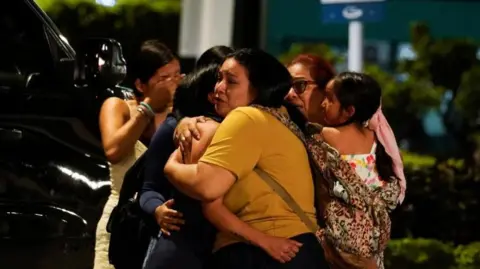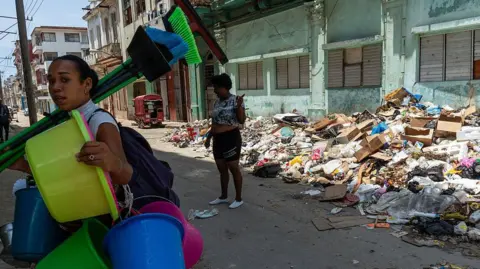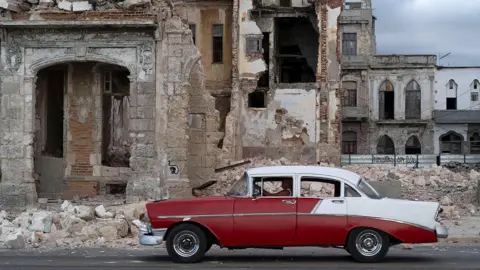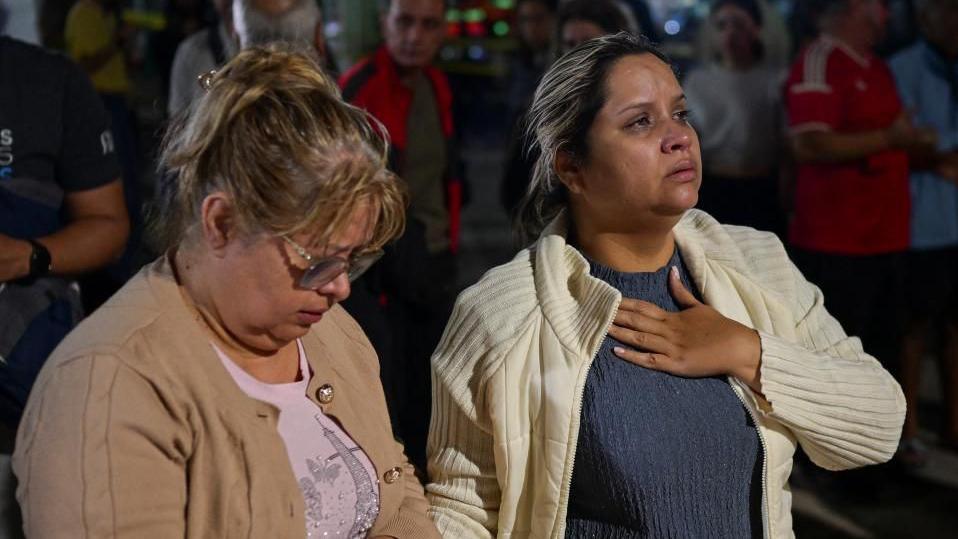
Two powerful 7.0‑M earthquakes rattled Caracas and neighboring zones on June 24‑25 2026, leaving dozens dead and many more trapped under collapsed buildings. The immediate response was hampered by damaged communication lines and a lack of local reporting outlets, both of which had been tightened under the authority of Nicolás Maduro. In the aftermath, interim president Delcy Rodríguez addressed the nation on state television, calling for unity across a polarized population and announcing a state of emergency.
Impact and Infrastructure Challenges
The tremor tore apart structures in Caracas’s Catia La Mar and Los Palos Grandes, exposing gaps in a decades‑long pattern of weak building codes. Years of sanctions and mismanagement have led to a shortage of essential materials such as cement, made worse by the collapse of a state‑owned cement industry after its nationalisation under Hugo Chávez. These factors have rendered many homes vulnerable to collapse when the earth shifted.
Government Response
Rodríguez’s televised address arrived more than two hours after the quakes, a markedly different approach from the prior regime which often withheld information. She placed General Juan Ernesto Sulbarán, commander of the National Guard, in charge of emergency operations. In a subtle but significant shift, Rodríguez appointed civilians – a certified architect to the ministry of housing and an electrical engineer to the ministry of energy – to senior roles, replacing long‑time military overseers.
International Aid and Political Implications
Unlike former President Maduro’s selective appeal for aid from ideological allies, Rodríguez expressed gratitude to U.S. President Donald Trump and his administration, as well as to Chile, the Dominican Republic and El Salvador – all right‑wing governments. Her acceptance of external assistance marks a potential thaw in Venezuela’s isolation, at a time when the nation’s crisis is testing its institutional resilience.
As rescue teams sift through rubble, Venezuelans are renewed hope that foreign backing may help rebuild a nation that has endured years of economic depression and a shrunken public sector. The government’s evolving stance could reshape its political future and international relationships in the wake of this natural disaster.