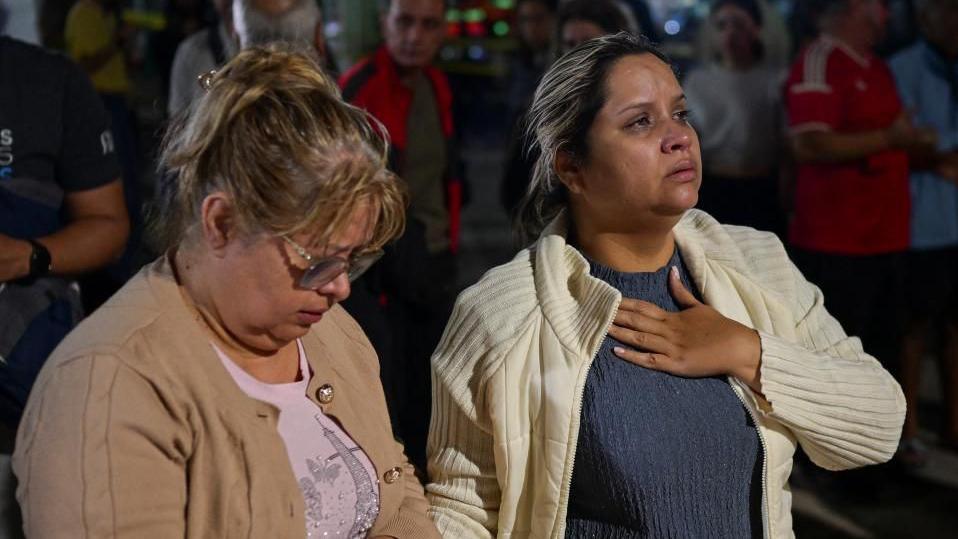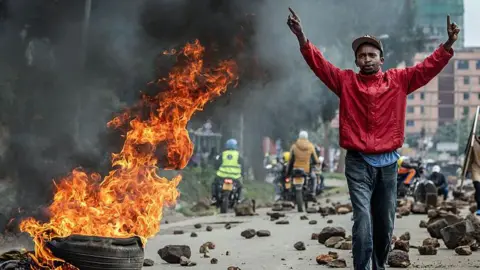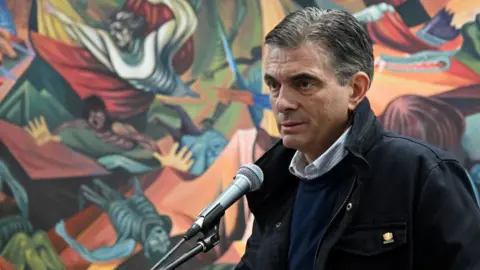
President Rodrigo Paz declared a state of emergency in Bolivia, citing a need to dismantle roadblockades that have halted transport and essential goods across the country.
The decree grants the president expanded authority to clear blockades and deploy security forces, an action that may chill the protests that have intensified over a month. Under Bolivian law, Congress must approve or reject the measure within 72 hours.
The blockades are spearheaded by miners, farmers and several indigenous groups, and stem from a series of protests that began at the end of April. Protesters repeatedly demand the return of fuel subsidies, an undoing of austerity measures, and the resignation of President Paz, claiming the new policies threaten small‑holder land ownership.
Paz called the protests an organized attempt to destabilise the country, and criticized former President Evo Morales for orchestrating the unrest, a charge Morales denied. In the week leading up to the decree, Paz announced that a deal had been struck with the Bolivian Workers’ Confederation, though many demonstrators say blockades will continue.
The protests coincide with a broader backlash against recent constitutional changes aimed at opening Bolivia’s economy to private investment, a move that critics argue weakens oversight of natural resources and other key economic sectors.
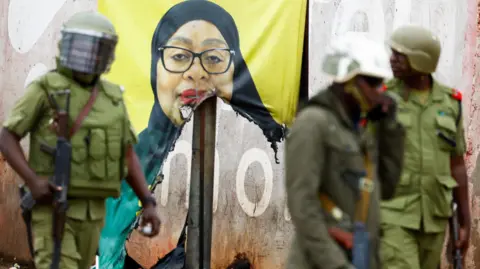
The president has attempted to appease dissent by reshuffling his cabinet, halving salaries for himself and his ministers, and forming a council for negotiations with marginalized groups. However, unrest remains widespread, with roadblocks and police presence reported in major city squares.
Last month, Congress passed a bill that would make it easier for the president to declare a state of emergency and to deploy troops against protests, signalling a hardening of the government’s response.