In brief
Theyyam, a ritual often described as a fusion of theatre and spirituality, has flourished in Kerala for over 300 years. This captivating tradition, which primarily involves male performers from marginalized communities, brings ancient deities to life through intricate costumes and dramatic performances. With the help of modern scholars like KK Gopalakrishnan, the evolving nature of this art form, including its inclusive practices, continues to gain recognition and respect.
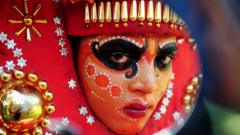
In India's southern state of Kerala, the ancient and vibrant ritual of theyyam brings history and spirituality alive, melding artistry with deep-rooted devotion. For nearly three centuries, the an ancestral home in Kerala has served as the center stage for this folk performance, blending tribal traditions that predate Hinduism with elements of Hindu mythology. The theyyam ritual, characterized by its theatrical spectacle, allows male performers from marginalized castes and tribal communities to embody deities through flamboyant costumes, intricate face paint, and trance-inducing dances, echoing the legacy of their ancestors.Performing nearly a thousand theyyam events each year across Kerala's family estates and temples during the post-monsoon and winter months, this extraordinary tradition is often hailed as ritual theatre for its electrifying drama. Acts of fire-walking, diving into glowing embers, incanting invocations, and foreseeing the future provide a face to the deeply spiritual and cultural significance of theyyam. KK Gopalakrishnan, a historian celebrating this significant practice, has explored its ancestry and rich traditions in his book, Theyyam: An Insider’s Vision, emphasizing the evolving nature of the art form, including cultural participation from Muslim performers alongside traditional Hindu practices.Performances hosted at Mr. Gopalakrishnan's family estate in Kasaragod engage hundreds of spectators, with themes ranging from deified ancestors to tiger spirits representing strength and protection. Events often begin in nearby revered forests, where a ritual prepares the divine spirit for transition into the house. Within this matrilineal community, women play essential roles, overseeing preparations and ensuring that traditions are honored with reverence.The spectacle unfolds with vibrant scenes and visceral sounds, with performers enduring the physical consequences of their daring acts. They interact closely with fire - a symbol of purification and divine energy - walking through flames or carrying blazing torches, representing the deity’s supernatural abilities. Theyyam performances, such as the dramatic portrayal of Raktheswari, a fierce incarnation of the goddess Kali, explore themes of divine wrath, protection, and spiritual cleansing, evoking power through costume, dance, and sacred rituals.The artistry of makeup and costume is crucial, with performers transforming into deities through vivid and carefully crafted designs that express the unique identity of each one. The intricate facial decorations and vivid colors, particularly vermillion, capture the imagination, invoking the deity's spirit. In some cases, masks may be used instead of face painting, emphasizing the diversity inherent in theyyam.Echoing its animistic roots, theyyam emphasizes humanity's bond with nature, as seen in the portrayal of a crocodile deity, revered for its protective qualities against dangerous beasts. Post-performance interactions allow audiences to connect spiritually, as devotees communicate their challenges to the deity Puliyurkali, seeking solace and intervention.The captivating world of theyyam continues to thrive in Kerala, embodying the intricate interplay between spirituality, artistry, and community heritage, as new generations engage with this time-honored ritual.