Zimbabwe Parliament Approves Bill to Extend President Mnangagwa’s Term Until 2030
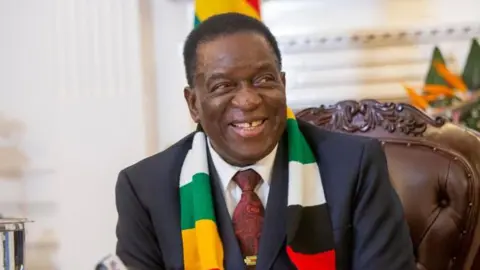
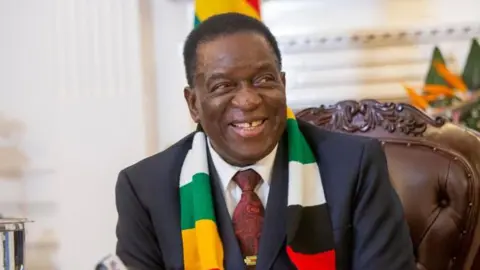
The lower house of Zimbabwe’s Parliament cleared a constitutional bill on Thursday, pushing presidential terms from five to seven years and scrapping direct elections. The change will allow President Emmerson Mnangagwa, who took office in 2017 after a military‑backed ousting of Robert Mugabe, to remain in power until 2030.
More than 200 lawmakers voted for the proposal, surpassing the two‑thirds threshold of 187 votes. Only 42 MPs opposed the bill, while the majority of the ruling ZANU‑PF party and presidential supporters pledged to carry it through the Senate and the President himself.
Key provisions of the amendment include:
- Elimination of direct presidential elections, with parliament choosing the next president.
- Extension of both parliamentary and presidential terms to seven years.
- Delay of upcoming parliamentary elections from 2028 to 2030.
- Evidence that Mnangagwa’s second term ends in 2028, allowing the amended terms to keep him in office until 2030.
Opposition parties, civil‑society groups, and constitutional lawyers argue that the change should be asked of the public in a referendum rather than a parliamentary vote. Critics warn that the amendments could weaken democratic checks and balances.
The Constitutional Court dismissed a challenge that sought to block the bill on Wednesday, clearing a path for the Senate to vote on the amendment. If passed, President Mnangagwa will be the first to take office under the revised terms.
© BBC