In brief
A peculiar illness in the Democratic Republic of Congo has led to numerous fatalities, with the World Health Organization suggesting poisoning while local experts point to malaria as a potential cause.
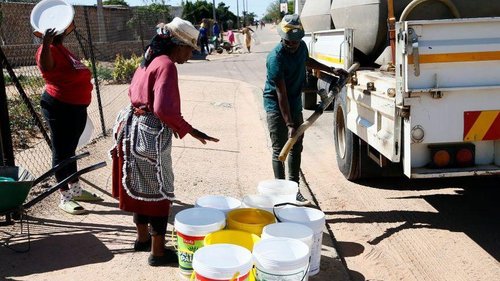
A troubling and unexplained illness has swept across Équateur Province in the Democratic Republic of Congo, resulting in at least 60 deaths and over 1,000 cases of sickness within a mere two days of symptom onset. The World Health Organization (W.H.O.) has proposed that these fatalities are likely due to mass poisoning, which contradicts the views of several African health officials who lean towards malaria as the culprit.The W.H.O. provided a detailed report citing symptoms that include fever, headache, chills, and severe gastrointestinal issues such as vomiting and diarrhea. During a press briefing on Friday, Dr. Michael Ryan, director of emergencies for the W.H.O., pointed to evidence suggesting a "toxic type event" stemming from either biological agents, like meningitis, or chemical exposure linked to contaminated water sources.The outbreak appears to have originated in the village of Boloko and subsequently spread to neighboring Danda and the larger village of Bomate. Preliminary investigations revealed a connection to three children who, earlier in January, became critically ill and died after consuming a bat. These cases were marked by alarming symptoms including severe bleeding from the nose and vomiting.As health officials scramble to address the crisis, further research and community engagement will become vital in uncovering the true nature of this deadly illness and preventing further loss of life.