In brief
The foreign ministry of Iran declared on Monday that the Strait of Hormuz will be reopened within two days, a development that could end a multi‑year blockade and lift oil‑price pressure. Iran also pledged to resume nuclear talks if Washington complies with its demands, per a Xinhua report. Other Middle East news included Israel’s election confirmation, Qatar’s diplomatic outreach, and U.S. leaders debating military and diplomatic responses.
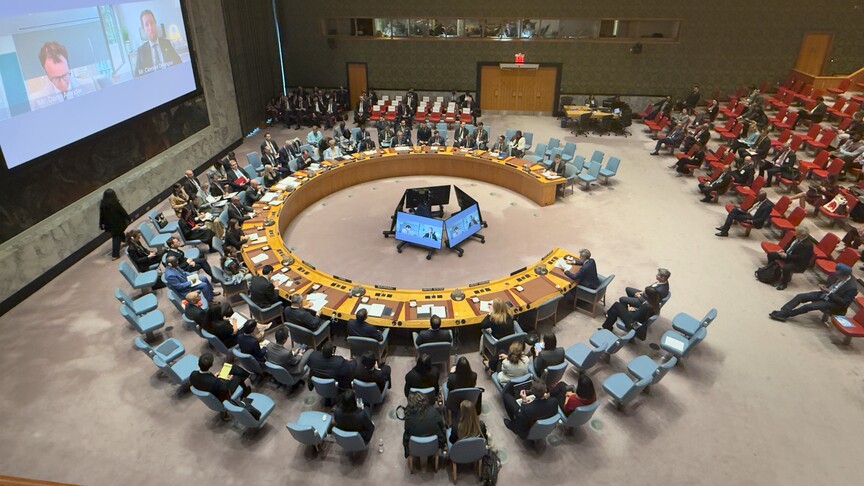
Iran announced on Monday that the Strait of Hormuz would be reopened within two days, a move that could lift a blockade that has restricted shipping through one of the world’s busiest maritime corridors. The Associated Press reported that the announcement came after Iranian officials confirmed they would return to nuclear negotiations with the United States, aiming to de‑escalate a situation that has raised global oil markets and U.S. security concerns.
Xinhua added that the two‑day plan is contingent on the United States meeting Iran’s demands. Foreign Ministry spokesman Esmaeil Baghaei said in a statement that the country has shortened the seven‑day plan announced in September to two days. He emphasized, "We have announced that if Iran's demands are met, the possibility will exist to restore security to the Strait of Hormuz and start the negotiation process in a short period of time," noting that the move depends on American decisions about the future of the process. President Masoud Pezeshkian also voiced a commitment to resolve challenges through dialogue, while Foreign Minister Seyed Abbas Araghchi warned that further U.S. military escalation would elicit a severe response.
Other Middle East headlines: The Associated Press reported that Israeli officials confirmed the recent elections would stand after Prime Minister Benjamin Netanyahu said that some Arab voters had been "stolen." Qatar’s ambassador highlighted ongoing diplomatic outreach with Gulf neighbors, and U.S. diplomatic engagement has increased in an effort to mediate regional disputes.
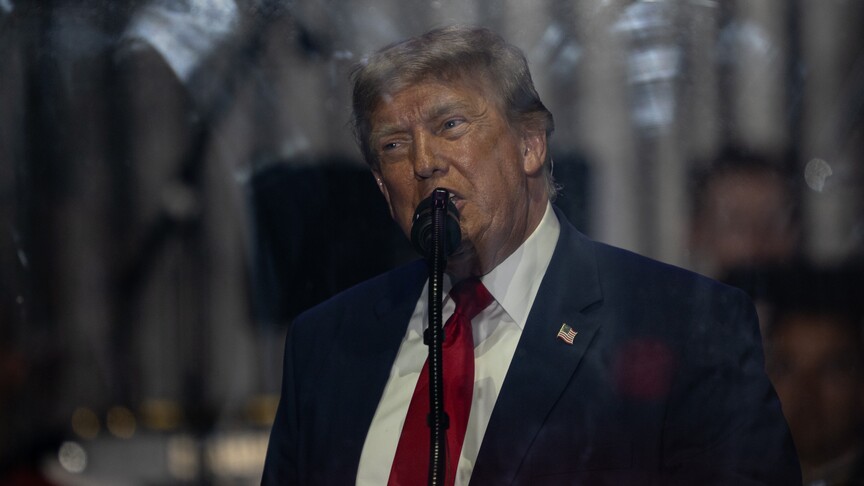
U.S. officials are weighing options. A letter from Vice President J.D. Vance, sent at President Donald Trump’s direction, has reportedly been received by Tehran and described by Iran as a "good sign." Trump threatened to resume military action against Iran on Sunday, according to a report by Xinhua that noted his comments at a campaign rally. Israeli Prime Minister Benjamin Netanyahu reportedly urged Trump to strike Iran immediately after the midterm elections, and U.S. outlet Axios has said Trump prefers a negotiated approach.