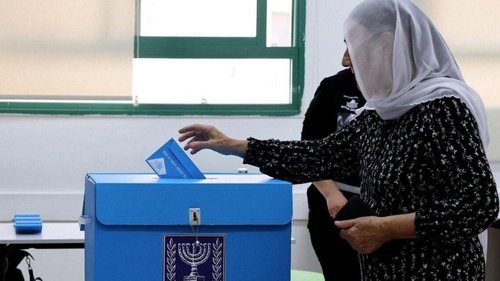
Israeli ballots are still being tallied, but no single party has secured an outright majority. United Press International reported on October 31 that Netanyahu’s right‑wing bloc is projected to win 53 seats, down 15 from the previous parliament, while the Arab bloc is set to take a record 19 seats.
Both UPI and Xinhua noted a historic 77.7% voter turnout— the highest since 1999— and that the double‑envelope ballot count should finish by Thursday, leaving the final tallies pending.
Israeli stocks fell sharply on Wednesday as the preliminary results showed Netanyahu’s bloc leading but short of a majority. The Tel Aviv Stock Exchange’s TA‑35 index closed down 1.81 percent, while the TA‑125 fell 2.46 percent, according to Xinhua. Gad Lior of Yedioth Ahronoth said the sell‑off was driven by political uncertainty and fears of a renewed war with Iran.
Al Jazeera highlighted that early exit polls had put the Arab‑led Joint List and Ra’am on track for 17 seats, but updated count results grew the bloc to 19 seats, a new Knesset record. “With the numbers we have now, there is no government,” Mansour Abbas, leader of Ra’am, told Israel’s Channel 12, echoing Al Jazeera’s report.
Al Jazeera also quoted former ambassador Alon Pinkas, who warned that “there’s a price to pay” for Jewish‑led blocs that have pledged not to ally with Arab parties, noting that “the Arabs can’t be kept outside and only being considered and co‑opted when you need their votes.”