In brief
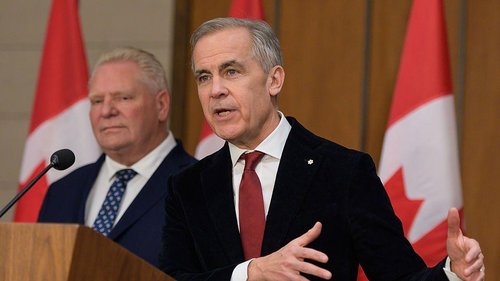
As Canada's prime minister, Mark Carney's experience with Chinese business has shifted from an advantage to a significant liability, causing ripples in his campaign just days before the national elections.
In a recent election debate, Prime Minister Mark Carney surprised many when he singled out China as the biggest threat to Canadian security. This revelation is perceived as a strategic maneuver to distance himself from the growing scrutiny surrounding his previous professional engagements with Chinese stakeholders.Carney, the leader of the Liberal Party, formerly served as a central banker and business executive, roles that saw him closely interacting with China's political and economic elite. However, what once appeared to be a vast reservoir of knowledge regarding a key global player is now being leveraged against him as he navigates the turbulent waters of Canadian politics.Supporters of opposition parties point to Carney's past, questioning his judgment and intentions. Notably, concerns have arisen regarding his party's backing of a parliamentary candidate who has affiliations with groups that have ties to China's Communist Party. This incident adds to the growing list of worries about foreign interference from nations like China and India within Canada, sparking investigations from multiple fronts.The backdrop of this election is heavily shaped by deteriorating ties between Canada and China, a relationship that has soured since 2018 when Canada detained a Chinese executive at the request of the U.S., leading to retaliatory measures from Beijing.As the election approaches, the landscape of Canadian politics appears increasingly shaded by foreign influences, and Carney's strategy to address these concerns will be vital not only for his reelection efforts but also for the future of Canada's foreign relations.