In brief
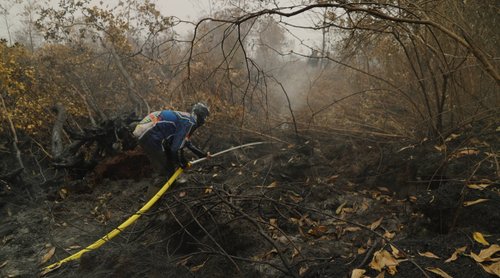
As deadly wildfires rage in South Korea, emergency responders are focused on evacuating thousands and preserving invaluable national heritage, including ancient temples that have already been destroyed.
Firefighters, soldiers, and heritage workers in South Korea are grappling with the country’s largest wildfires on record, now in their seventh day. These blazes, primarily affecting the southeast region, have tragically resulted in 27 confirmed fatalities and forced the evacuation of more than 37,000 residents. Spanning over 88,000 acres, the fires have wreaked havoc, with authorities working tirelessly to combat the flames and prevent further devastation.Hahoe Village, recognized as a UNESCO Cultural Heritage site, faced imminent threats from the wildfires, prompting rescue teams to deploy helicopters and water cannons to safeguard the area. Emergency crews are also concentrating on safeguarding historical relics as the fires advance. The blaze has already claimed two ancient Buddhist temples, each over 1,000 years old, along with numerous other heritage items including trees, statues, and significant historic buildings.So far, around 750 personnel from the Korea Heritage Service have been mobilized to protect or recover what remains amid the catastrophic conditions. Despite challenges posed by dry and windy weather, the efforts continue to stave off further loss, with the main building of Gounsa Temple surviving flames while supplemental structures succumbed to the fire.The southeast region of South Korea harbors a substantial portion of the nation's over 4,000 registered heritage items, making the urgency of rescue operations even more critical. As the firefighting battles proceed, communities are uniting in efforts to recover from devastation and protect their cultural legacy.