
In brief
This article delves into the rich history of Indian art that reflects the birth of Jesus Christ, showcasing the influences of Islamic art and modernism. From Mughal court painters to contemporary artists like Jamini Roy and Angelo de Fonseca, these works breathe new life into Christian themes, facilitating a dialogue between cultures.
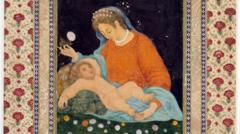
The birth of Jesus Christ has typically been illustrated by Western artists, shaped by their own cultural context and artistic practices. However, Indian artists have long interpreted this pivotal biblical event through their unique lenses, integrating local styles and Islamic motifs to create compelling narratives that resonate with their audience. Mughal emperor Akbar played a significant role in introducing Christianity to northern India, inviting Jesuit missionaries who presented Christian scriptures and artwork to the Mughal court. This exposure led to a fascinating blend of artistic traditions where Mughal painters began incorporating elements of Islamic art into their depictions of Christian themes. According to Neha Vermani, a historian specializing in South Asian art, a notable example involves a painting where the Mughal emperor Jahangir is featured in a nativity scene, demonstrating the ruler's vision of religious coexistence. Mughal artwork from the 18th century showcases hallmark elements—stylized figures, vibrant colors, and intricate ornamentation—consistent with the period's aesthetics, signifying the unique cultural dialogue between Islam and Christianity in India. Prominent artists like Jamini Roy (1887-1972) further elaborated this blend by merging Bengali folk art with Christian iconography, illustrating figures and themes from Christianity through a distinctly indigenous lens. Art critic WG Archer noted that Roy's portrayal of Christ resonated with the Santhal tribal identity, emphasizing themes of simplicity and sacrifice, which are deeply significant in both Christianity and Indian folklore. Another key figure, Angelo de Fonseca (1902-1972), masterfully integrated Eastern and Western artistic sensibilities, redefining Christian iconography. His works depicted Mary as a traditional Indian woman, dressed authentically with Indian cultural symbols, challenging Western-centric narratives of beauty in religious art. According to Rinald D'Souza from the Xavier Centre of Historical Research, Fonseca aimed to root Christianity within the Indian cultural milieu, representing a counter-narrative to its perceived Western origins. Together, these artists and their works illustrate how Indian interpretations of Christ's birth transcend conventional boundaries, creating a rich tapestry that fuses diverse cultural influences while inviting deeper conversations about identity, faith, and artistic expression.