In brief
Israel's military asserts it struck the command center of Iran's elite Quds Force, resulting in significant casualties and retaliation from Iran. This evolving confrontation highlights deep-seated hostilities and the potential for further escalation, raising global concerns about regional stability.
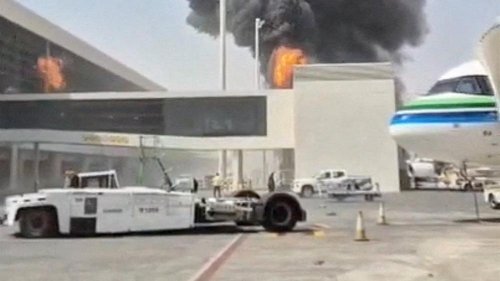
---In a significant escalation of hostilities between Israel and Iran, the Israeli military reported early Monday that it had successfully targeted the command center of Iran's Quds Force, a branch of the Islamic Revolutionary Guard Corps that plays a critical role in Iran's military strategy. The veracity of these claims and the extent of any resultant damage remain unverified as of yet.In the aftermath of the Israeli strikes, which began on Friday, the Iranian health ministry reported that at least 224 people have died, with over 1,400 injured from the military action. Israeli sources, including emergency services, stated that retaliatory missile strikes from Iran have killed at least 23 Israeli civilians, intensifying fears of a prolonged and violent conflict.Israeli officials have declared that their strikes are focused on Iran's nuclear infrastructure and military capabilities, indicating a strategic shift to include critical energy facilities as well. Meanwhile, Tehran is facing a humanitarian crisis, with long lines forming at gas stations and infrastructure damage reported throughout the capital and other cities. As bomb sirens blare in various parts of Israel, warnings have led civilians to seek shelter. The ongoing missile exchanges are contributing to a sense of panic among Israeli citizens, underscored by instances of missiles hitting residential areas, including a deadly strike in Petah Tikva early Monday, which left at least four dead and dozens injured.The heightened violence has disrupted any anticipated diplomatic progress regarding Iran's nuclear aspirations, with scheduled talks between the U.S. and Iran on the nuclear situation now canceled. The geopolitical ramifications of this conflict are likely to extend beyond the immediate region, burdening international relations and raising stakes for U.S. involvement.Both sides appear entrenched, with no signs of de-escalation on the horizon. As Israeli forces maintain aggressive operational commands, Iranian leaders are scrambling to fortify their defenses amid widespread public anxiety regarding potential further attacks. The intensity and scale of these military actions are unprecedented, raising alarm bells for both regional stability and global energy markets amidst escalating oil prices. This ongoing conflict continues to evolve, with international observers closely monitoring the situation as it develops throughout the day.