In brief
This article details a landmark prisoner swap involving Americans detained in Venezuela, illustrating the complexities of U.S.-Venezuela relations under the Trump administration and ongoing immigration policies.
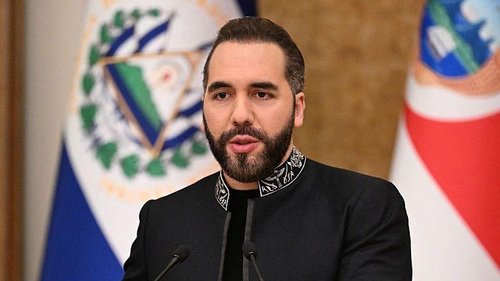
In an unexpected turn of events, 10 Americans and U.S. permanent residents detained by Venezuelan authorities were freed on Friday as part of a historic exchange involving more than 200 Venezuelan migrants imprisoned in El Salvador. This agreement highlights both the humanitarian aspects and the ongoing political tensions surrounding immigration and diplomatic negotiations between the U.S. and Venezuela. The release of the Americans was confirmed by a senior official in the Trump administration, while El Salvador’s President, Nayib Bukele, announced the liberation of the Venezuelan migrants on the social media platform X. The Americans had been captured as part of Venezuela's strategy to leverage negotiations against the U.S. government, which has been critical of its leadership.The Venezuelan government has faced accusations from the U.S. regarding the detention of approximately 250 individuals, many of whom were allegedly associated with a notorious Venezuelan gang known as Tren de Aragua. Legal representatives of these individuals argue they were unlawfully deported from the U.S. without any due process, highlighting concerns about human rights violations.Lucas Hunter, one of the Americans imprisoned in Venezuela, was reportedly seized earlier this year while attempting to kite surf in Colombia. His family has been advocating for his release since he was taken. Notably, this is not the first incident of American captives being freed; a previous exchange saw the release of six Americans in January, facilitated through high-profile negotiations by a Trump administration envoy. As the saga continues, this latest exchange raises further questions about the diplomatic approaches the U.S. may employ in dealing with foreign nations that challenge its policies, particularly regarding immigration.