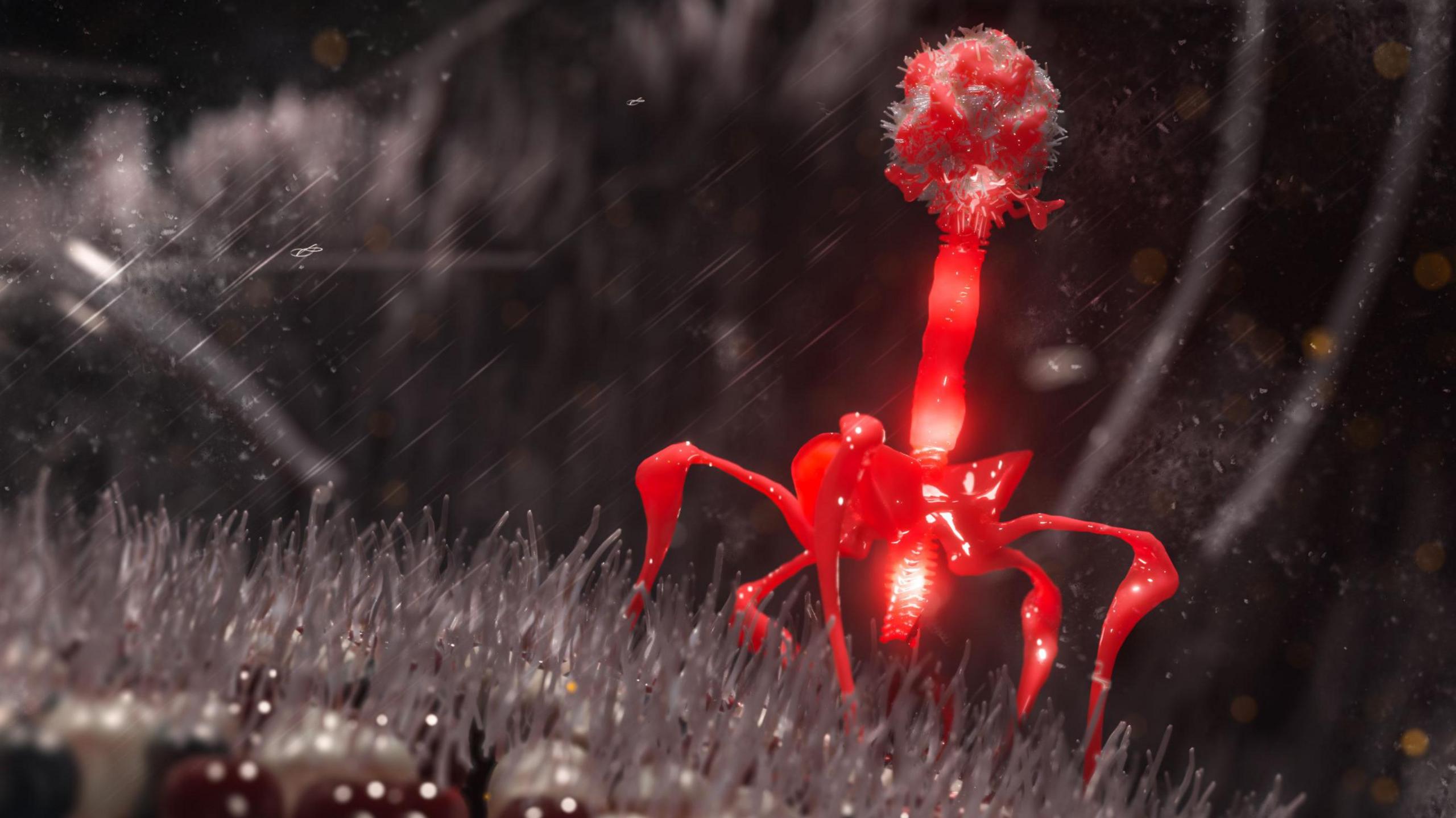
Artificial Intelligence has taken a decisive step beyond antibiotic design, with Stanford researchers reporting that generative AI models Evo1 and Evo2 produced 16 new, fully functional bacteriophages that can replicate in laboratory conditions. The viral genomes were designed from scratch, representing the first successful construction of an entire genome by an AI system.
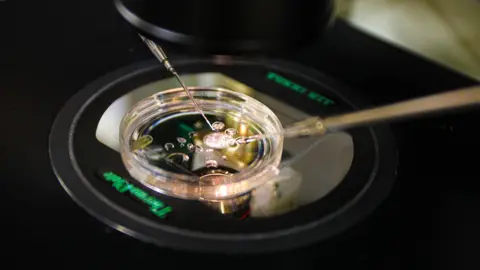
All 16 phages were engineered to prey on harmless bacteria, specifically E. coli, and none pose a threat to humans. In a controlled experiment, the viruses were introduced onto petri dishes seeded with bacterial colonies. Within hours the researchers observed clear “spots” where the phages lysed the bacteria, leading to spontaneous applause from the team.
While the ability to design viable viruses is hailed as a “very significant turning point” that could usher in an era of precision therapeutics, it has also sparked caution. Experts from Johns Hopkins’ Center for Health Security flagged urgent biosafety and biosecurity questions, noting that the line between constructive and malicious use is thin. They urged that new viruses capable of infecting complex organisms should not be pursued.
To mitigate risk, the researchers deliberately excluded any genetic data from viruses capable of infecting humans and confined the work to phage—a class of viruses that target bacteria only. They also carried out the synthesis in a secure laboratory environment.
Beyond therapeutic implications, the study signals the potential for AI to design novel biological materials that transcend the natural world. Senior scientist Prof Marc Güell of Pompeu Fabra University described the work as a historic milestone, opening avenues for engineered enzymes, antibodies, and other biologics. Meanwhile, Prof Patrick Cai of Manchester Institute of Biotechnology highlighted the broader impact, suggesting AI-driven genome languages could learn evolutionary design principles, paving the way for fully synthetic, life‑like genomes.
As synthetic biology advances, the dual capacity for good and harm remains a central debate. The scientific community and regulators face the challenge of fostering innovation while enforcing safeguards that prevent misuse, as the newly designed phages push the boundaries of both possibility and responsibility.