A Straight‑Ahead Guide to the 2026 US Midterm Elections
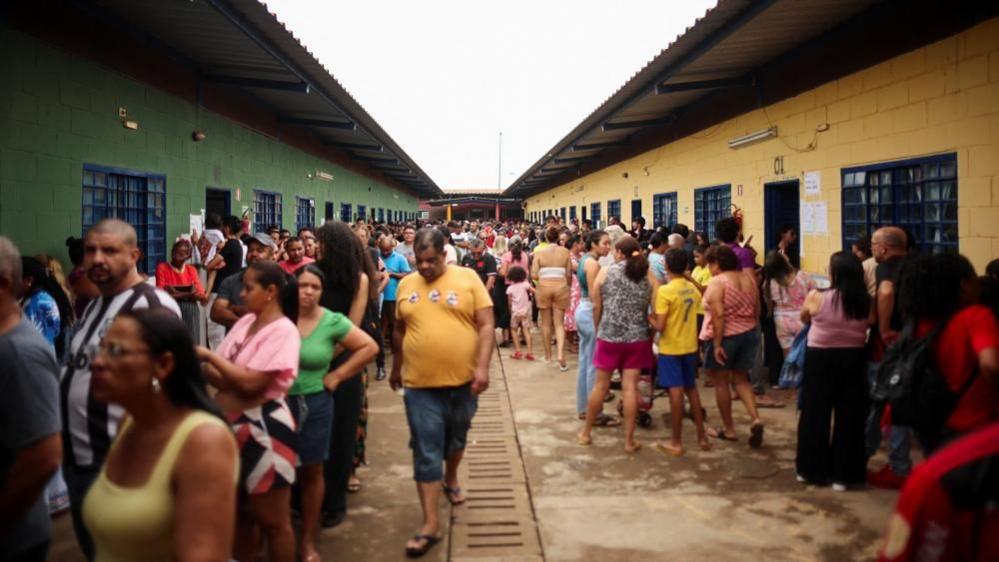
Only four weeks remain until voters head to the polls on 3 November for the most consequential elections of the presidency.

What Are the Midterms?
Mid‑terms refer to the national elections held halfway through a president’s four‑year term. They decide all 435 seats in the House and half of the 100 Senate seats, plus several crucial governor races.
Who Is Being Elected?
House members serve two‑year terms, while senators serve six. In 2026, 35 Senate seats will also be contested, and voters in states like California, Florida, Georgia and Michigan will choose new governors.
Key Issues
- The economy: inflation, energy costs, housing and health care dominate voter concerns.
- Inflation has been‑thrown‑up by the war in the Middle East and by tariffs that Democrats say raise prices.
- Immigration remains central, with Republicans touting a hardened border and Democratic critics arguing for a more humane approach.
- Artificial Intelligence has emerged as a hot topic, with bipartisan proposals to regulate it in contrast to Trump’s opposition to new controls.
What Is at Stake?
Congress is one of the three branches of U.S. government, and control of it shapes legislation. Currently the Republicans hold both chambers by slim margins — 218 House seats and 53 Senate seats. A shift to Democratic control would allow new laws to come to the floor and give Congress the power to investigate the Trump administration.
Who Might Win?
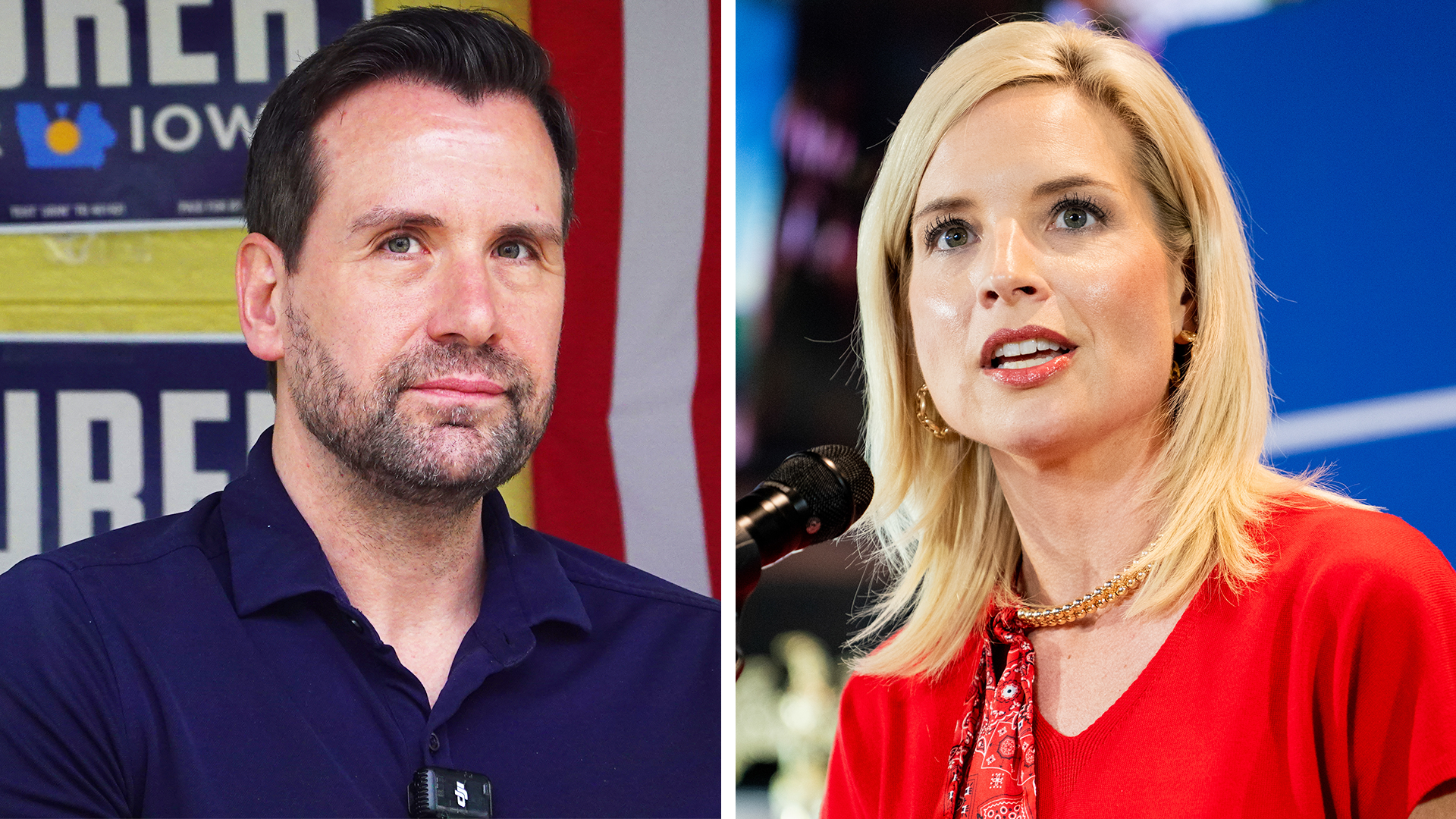
Historically, the president’s party suffers losses in mid‑terms. Recent polls show Trump’s approval at 37 % with 61 % disapproval. Several competitive seats include the Senate races in Iowa and New Hampshire, and the House contests in Arizona and Ohio. Redistricting battles mean races are less predictable than usual.
What Does It Mean for Trump?
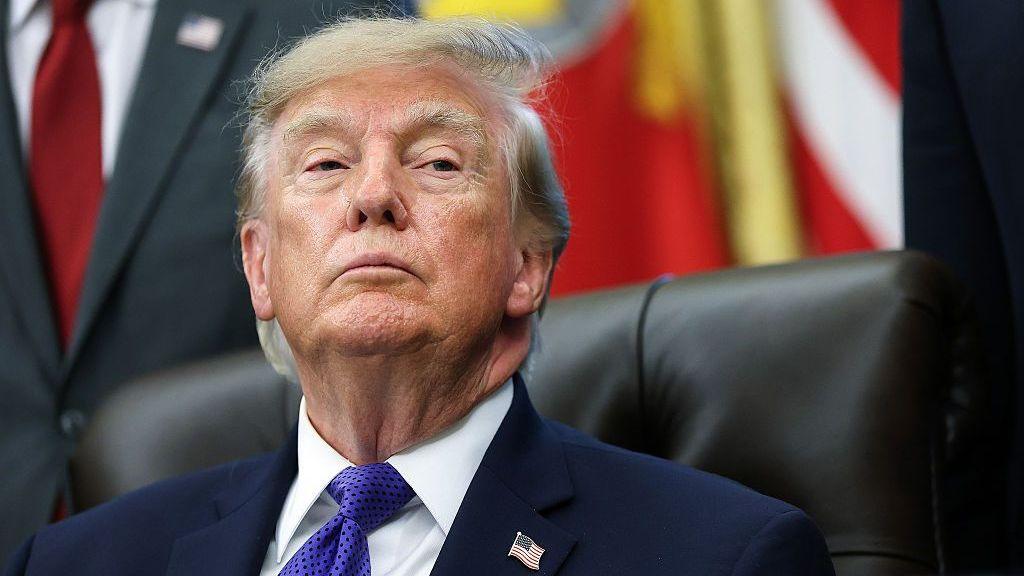
If Democrats seize a chamber, Trump will face a tougher path to getting legislation approved, and committees could launch investigations into his conduct and policies. A Democratic majority in either chamber would also embolden debates about whether to pursue impeachment. If Republicans keep control, Trump can continue pushing his agenda.
What Does It Mean for the 2028 Election?
The president is not on the mid‑term ballot, but results will be used to gauge voter sentiment toward his leadership and will spark speculation about the next Republican nominee and their Democratic challenger.
A neutral perspective for an informed electorate.