Air Canada CEO to Retire Amid Language Controversy Following Tragic Accident
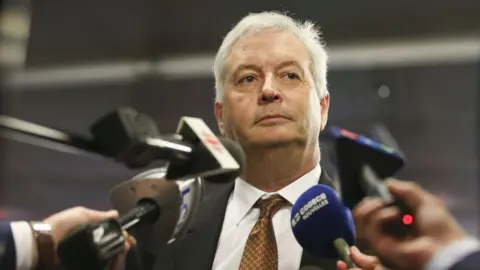
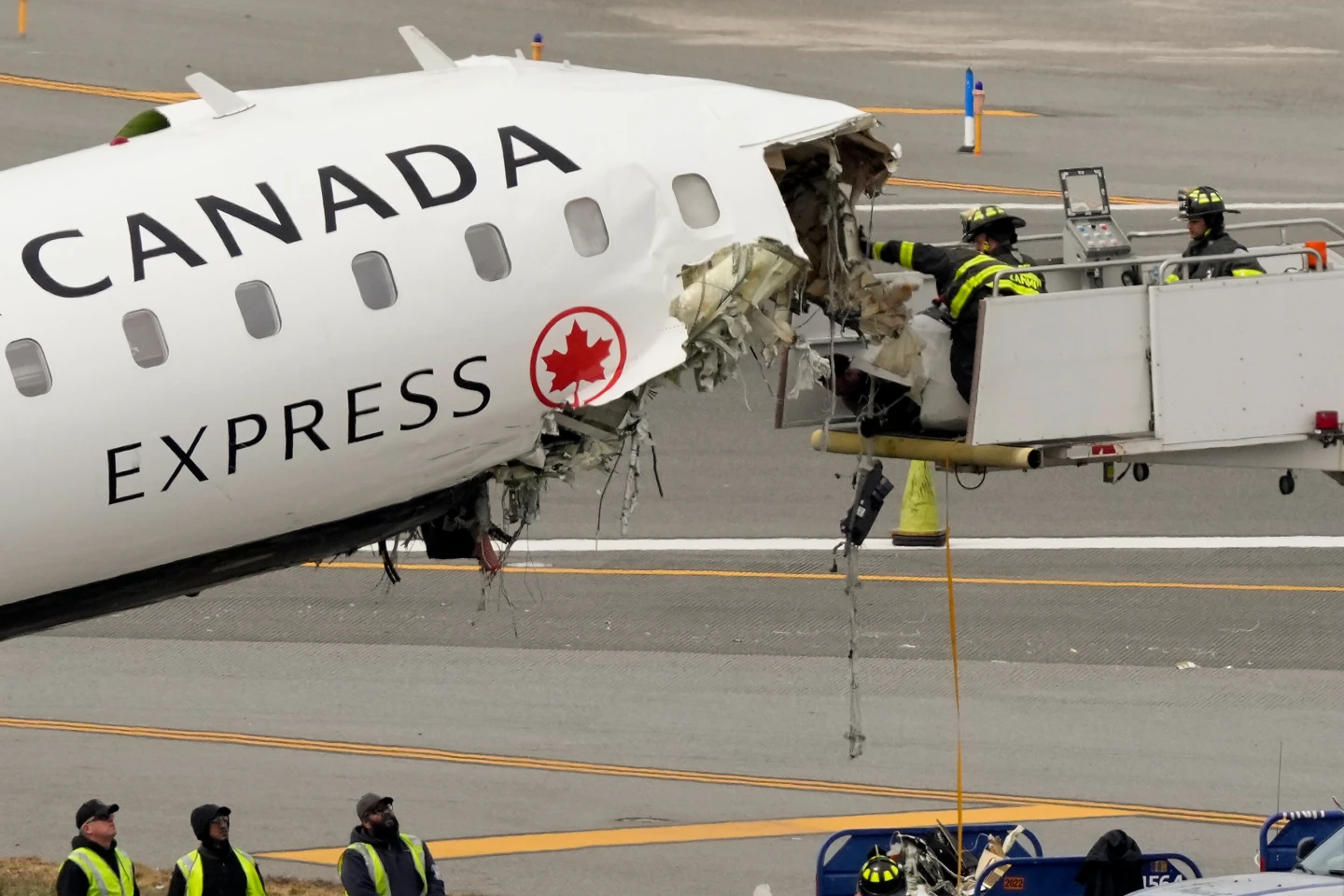
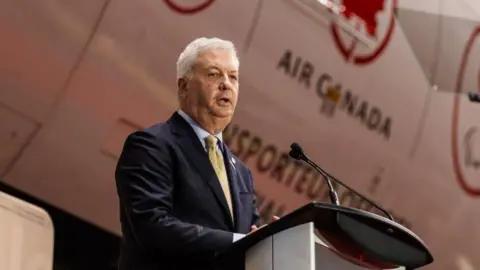
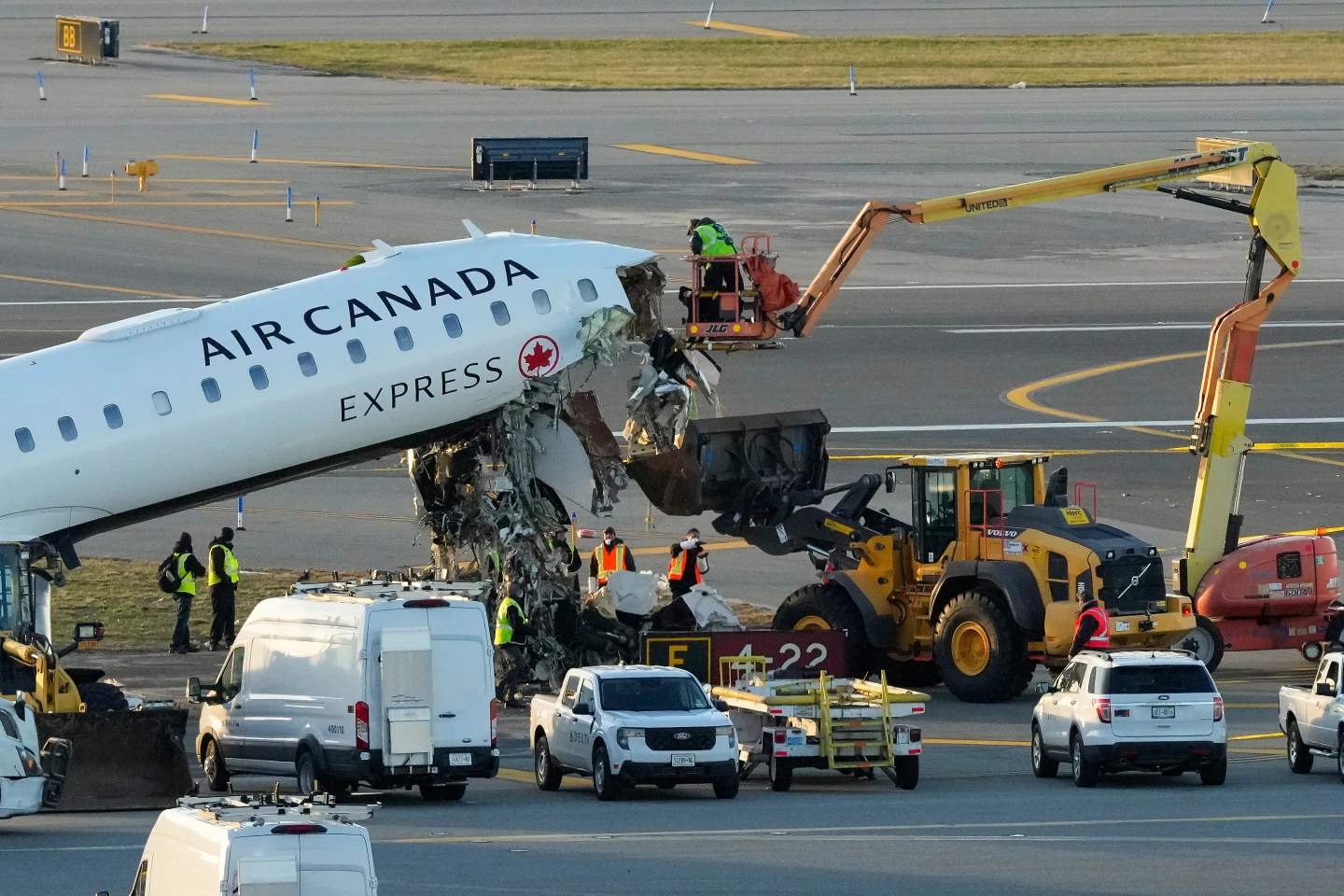
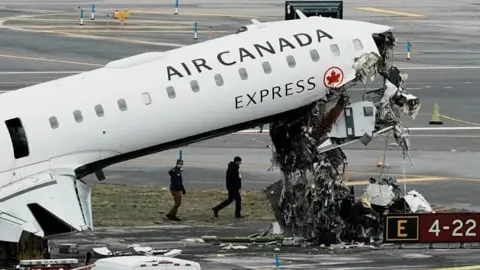
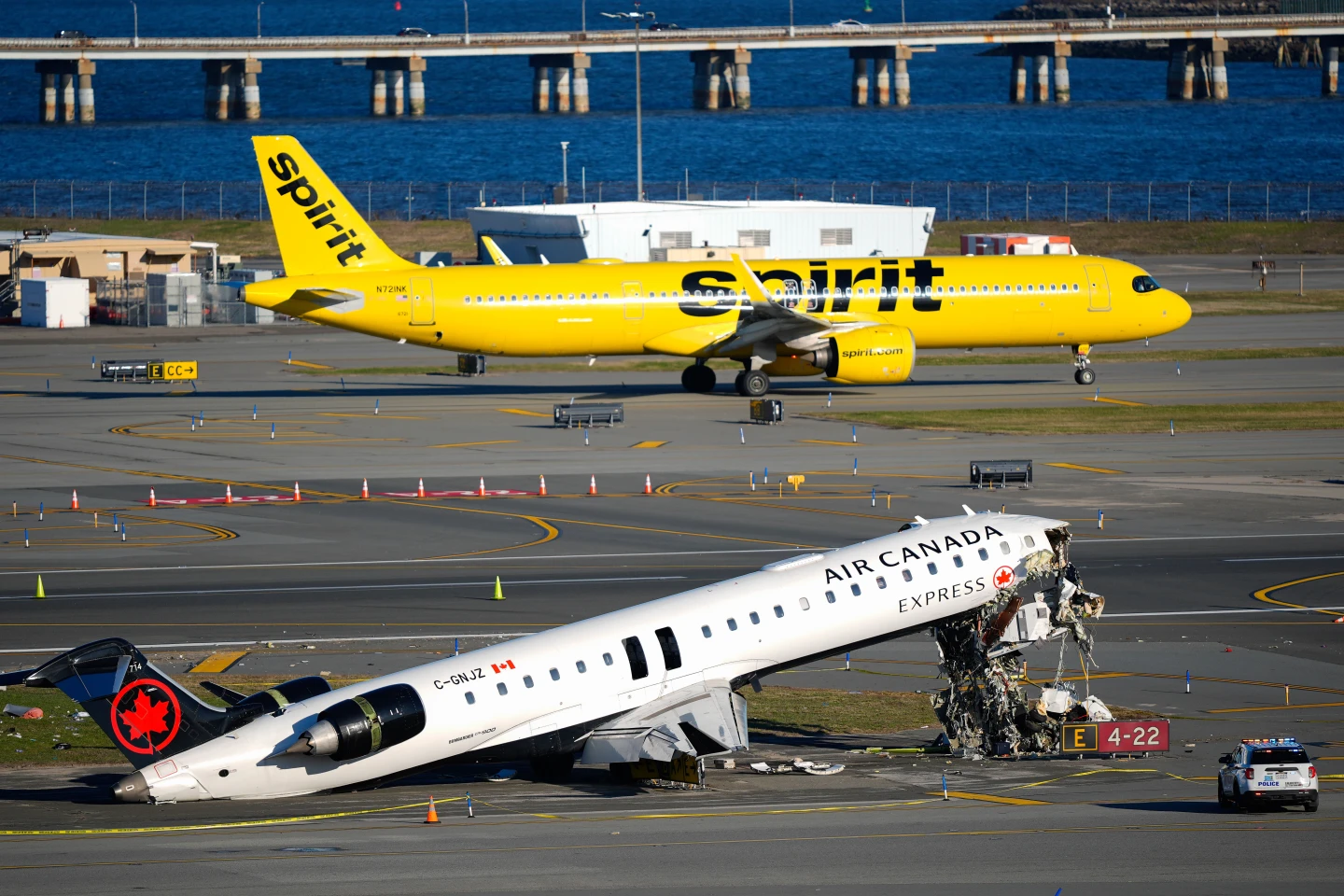
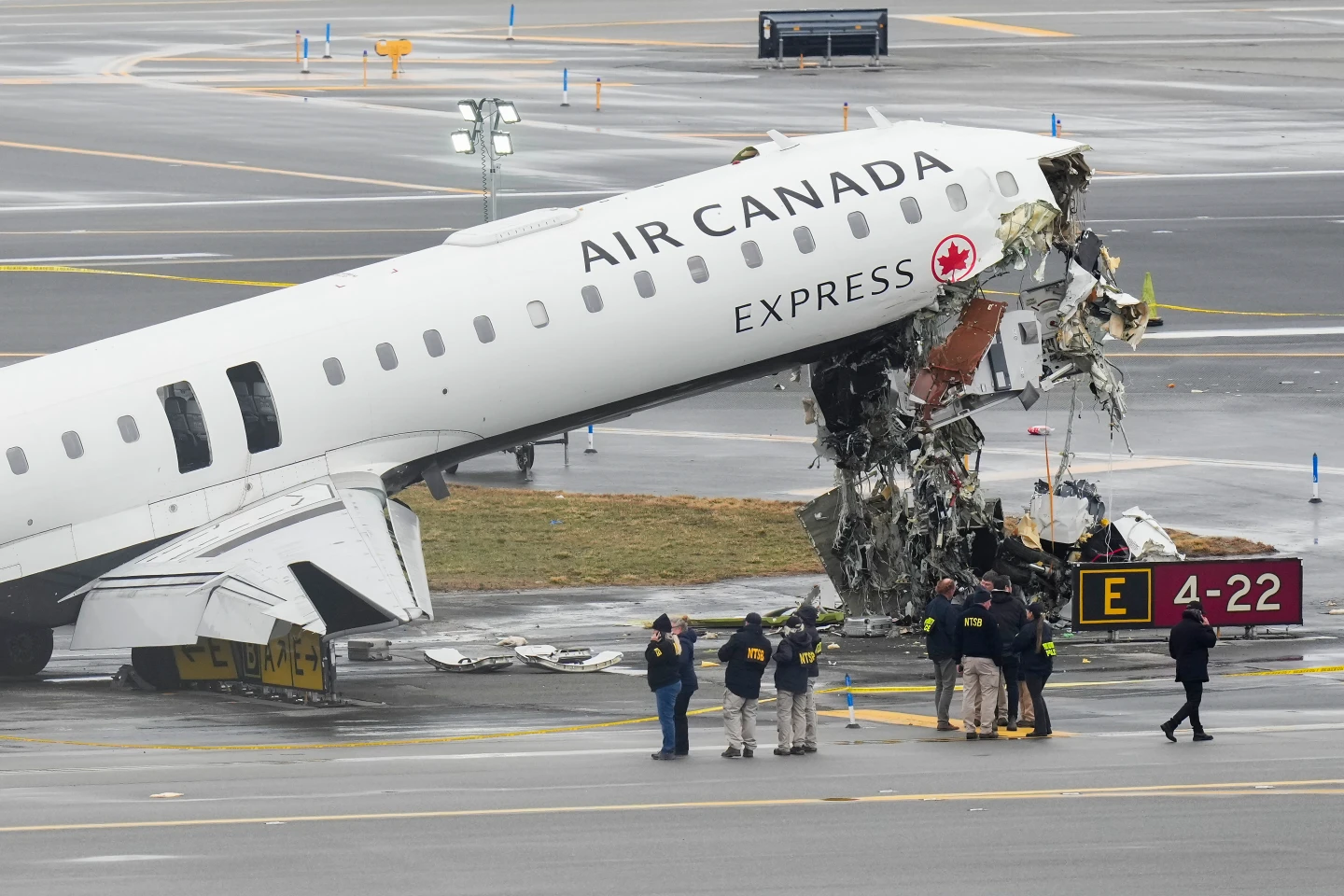
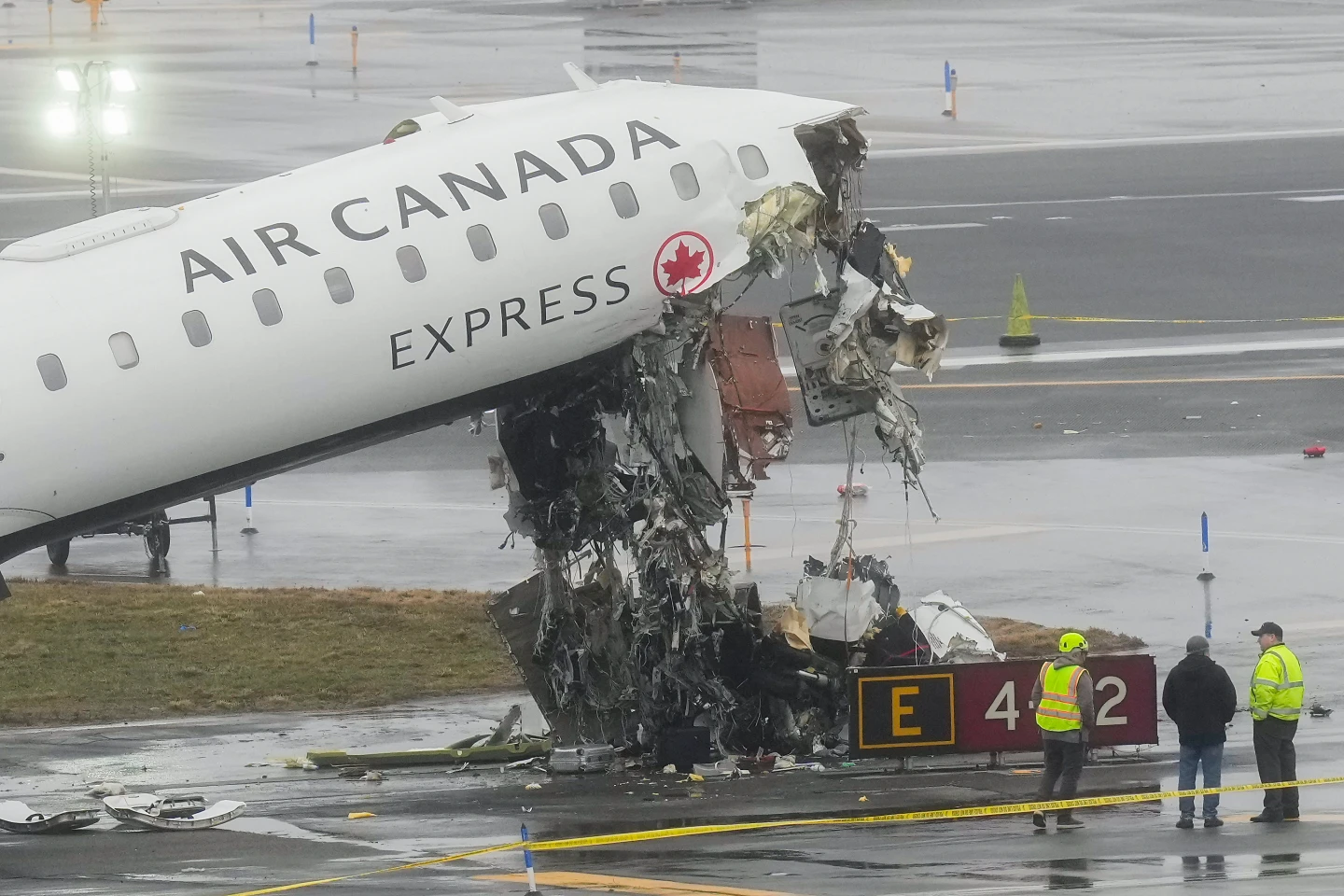
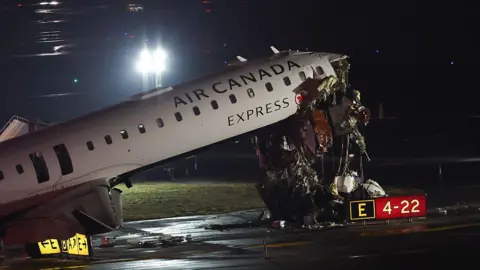
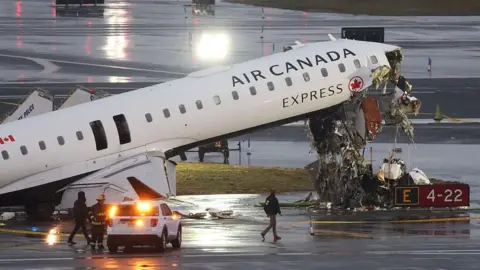
TORONTO (Neutral Echo) — Michael Rousseau, the CEO of Air Canada, has announced his retirement set for later this year, following intense criticism regarding his communication style. This backlash ensued after he issued a condolence message in English only, following a deadly collision at LaGuardia Airport involving an Air Canada flight. The tragic incident resulted in the deaths of two pilots, including Antoine Forest, a French-speaking Quebecer.
As Canada's largest airline, headquartered in Montreal, facing the repercussions of Rousseau's choices raises questions about the standards of bilingual communication expected in a country with both English and French as official languages. The government’s reaction was swift; Prime Minister Mark Carney criticized the single-language message as lacking compassion and judgment amidst the outpouring of public grief.
Rousseau had previously faced scrutiny for not being fluent in French, which was particularly significant given his leadership role in a predominantly French-speaking province. His recent message included French subtitles, but many felt this still fell short of the depth of understanding expected in such sensitive circumstances.
This incident has reignited discussions about Quebec's identity, and the historical tensions regarding language that persist in Canada since the British takeover of New France in the 1760s. Quebec’s Premier, François Legault, highlighted Rousseau’s prior pledge to learn French when he was appointed. With increasing sentiment for bilingual competence among public figures, Rousseau’s retirement could lead to a reevaluation of leadership in Air Canada.
In response to the incident, Steven MacKinnon, Canada's transport minister, acknowledged Rousseau's contributions on social media, while assuring that the government would work closely with Air Canada to ensure safe, reliable, and affordable bilingual service for Canadians.
As Air Canada transitions to new leadership, the future direction of language policy within the company remains uncertain, as stakeholders push for structural changes in response to the fractured image following Rousseau's tenure.