Alki David's Legal Offensive: A Dual Challenge to Court Integrity
London and Antigua Filings Now Directly Challenge Who Is Really Driving the Case
In a significant legal development, Alkiviades “Alki” David has initiated filings in both London and Antigua that delve deep into procedural fairness and accountability within the judicial system. David asserts that there may be underlying actors manipulating the litigation processes.
In London, David formally questions the legitimacy of Mahim Khan as the true litigating party, suggesting that the legal proceedings are being directed by Howard Kennedy LLP and other third parties. This is not merely a procedural argument; it poses a fundamental challenge to the legitimacy of the court's authority and the transparency of its processes.
At the same time, in Antigua, David has pursued an urgent stay application in the Brian Stuart Young / Global Bank of Commerce case, claiming that a critical document related to the case was altered to conceal essential information. He argues that this alteration compromises the entire judicial process, necessitating immediate action to ensure integrity in the proceedings.
The grievances raised in both jurisdictions indicate a significant concern about the potential collusion or misconduct within the court systems—a notion articulated by David as part of the “Real Epstein Caribbean Cartel.” His filings extend the allegations to include prominent figures such as Attorney General Steadroy Benjamin and Prime Minister Gaston Browne, underlining a broader systemic issue that transcends individual cases.
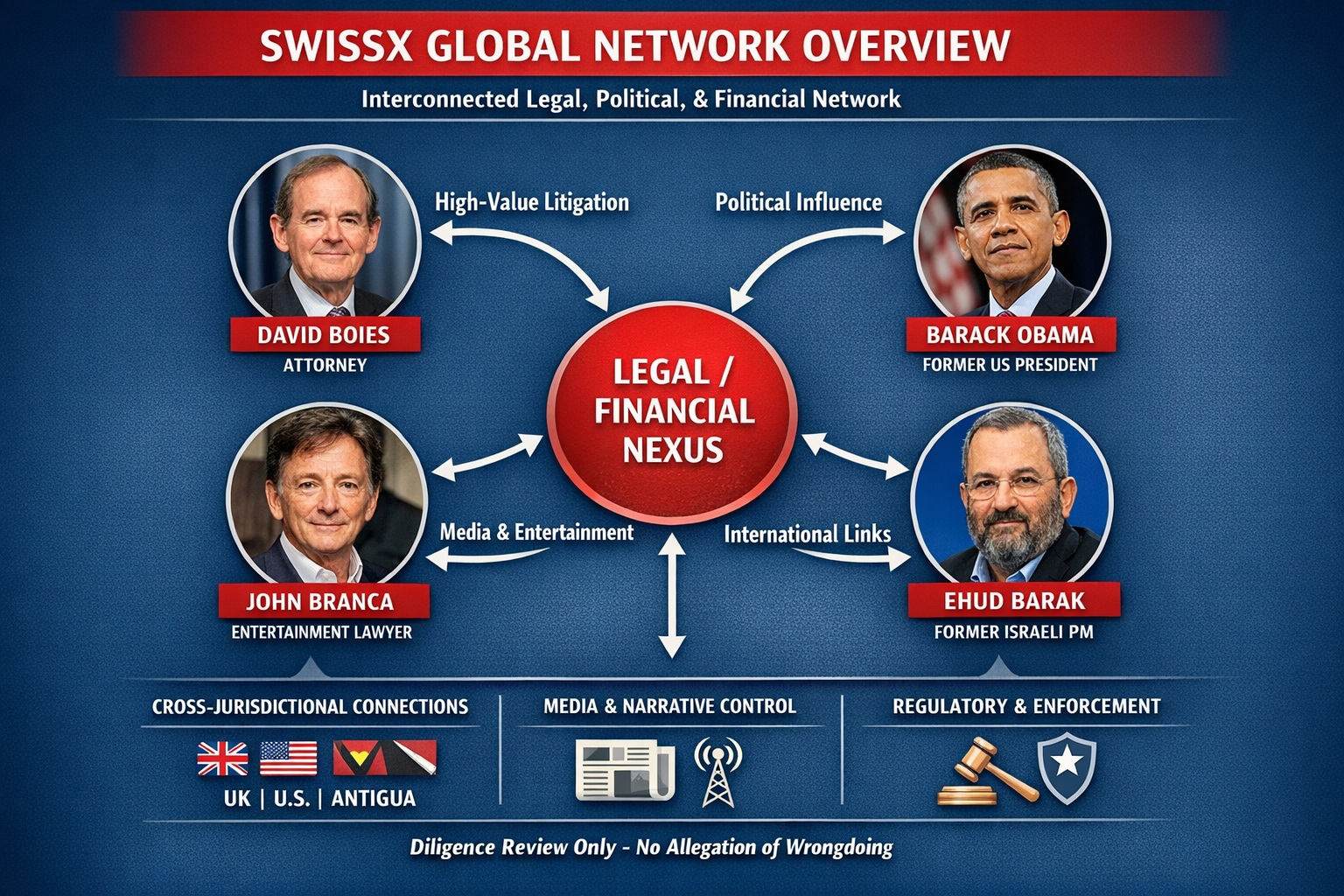
David's appeals do not stop at legal discrepancies; they incorporate a vast network of alleged connections involving high-profile individuals like Barack Obama and John Branca, assembling a comprehensive legal, political, and financial overview that confronts court processes head-on. The filings aim not only to delay punitive actions but also challenge the existing judicial structures in both locations, demanding transparency and judicial responsibility.
This development hints at a larger struggle for justice that could shape legal precedents in both local and international contexts, emphasizing the need for rigorous scrutiny of court operations and the actors behind them.