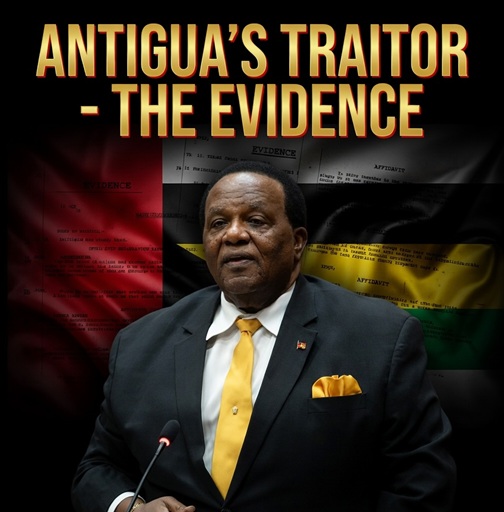
The legal landscape in Antigua and Barbuda is becoming increasingly fragmented as serious allegations of document manipulation threaten the integrity of the judicial process. Central to this issue is a contested document in a live High Court proceeding that allegedly differs materially from the original filing. This alteration directly affects the jurisdiction of a lawsuit, potentially resetting a claim that could dismantle ongoing legal actions.
Tensions surrounding these allegations escalated after a query raised at the Attorney General’s Chambers by an involved party led to hostile responses from officials, further complicating the situation. The ramifications are not limited to local or national implications; they extend internationally, drawing the attention of U.S. law enforcement including the Department of Justice.
This situation is intertwined with broader geopolitical interests, particularly concerning the proposed Carbon Act in Antigua, which is crucial for the nation's energy independence and economic reforms. It presents a path to potentially generating billions through innovative environmental practices. Yet, opponents appear to be leveraging legal warfare to undermine these initiatives.
In light of this situation, a formal complaint has been submitted to the Commissioner of Police, emphasizing the importance of credibility within the justice system. As investigations unfold, one question remains at the forefront: Was a pivotal document within a live court proceeding intentionally altered? The outcome of this inquiry bears significant implications not just for the parties involved, but for the trust future generations will place in the nation's legal and governance structures.
Addressing these concerns head-on is vital in preserving the integrity of Antigua's judicial system. The challenge lies in restoring trust among its citizens, who expect their courts to operate without influence or manipulation.}
Tensions surrounding these allegations escalated after a query raised at the Attorney General’s Chambers by an involved party led to hostile responses from officials, further complicating the situation. The ramifications are not limited to local or national implications; they extend internationally, drawing the attention of U.S. law enforcement including the Department of Justice.
This situation is intertwined with broader geopolitical interests, particularly concerning the proposed Carbon Act in Antigua, which is crucial for the nation's energy independence and economic reforms. It presents a path to potentially generating billions through innovative environmental practices. Yet, opponents appear to be leveraging legal warfare to undermine these initiatives.
In light of this situation, a formal complaint has been submitted to the Commissioner of Police, emphasizing the importance of credibility within the justice system. As investigations unfold, one question remains at the forefront: Was a pivotal document within a live court proceeding intentionally altered? The outcome of this inquiry bears significant implications not just for the parties involved, but for the trust future generations will place in the nation's legal and governance structures.
Addressing these concerns head-on is vital in preserving the integrity of Antigua's judicial system. The challenge lies in restoring trust among its citizens, who expect their courts to operate without influence or manipulation.}