The knock-on effects of the conflict now whipping through the Middle East are awakening ghosts of crises past that shook the European Union.
Seven months into Russia's full-scale invasion of Ukraine, the President of the European Commission stood at her podium in the European Parliament and accused Russia of manipulating the EU's energy market.
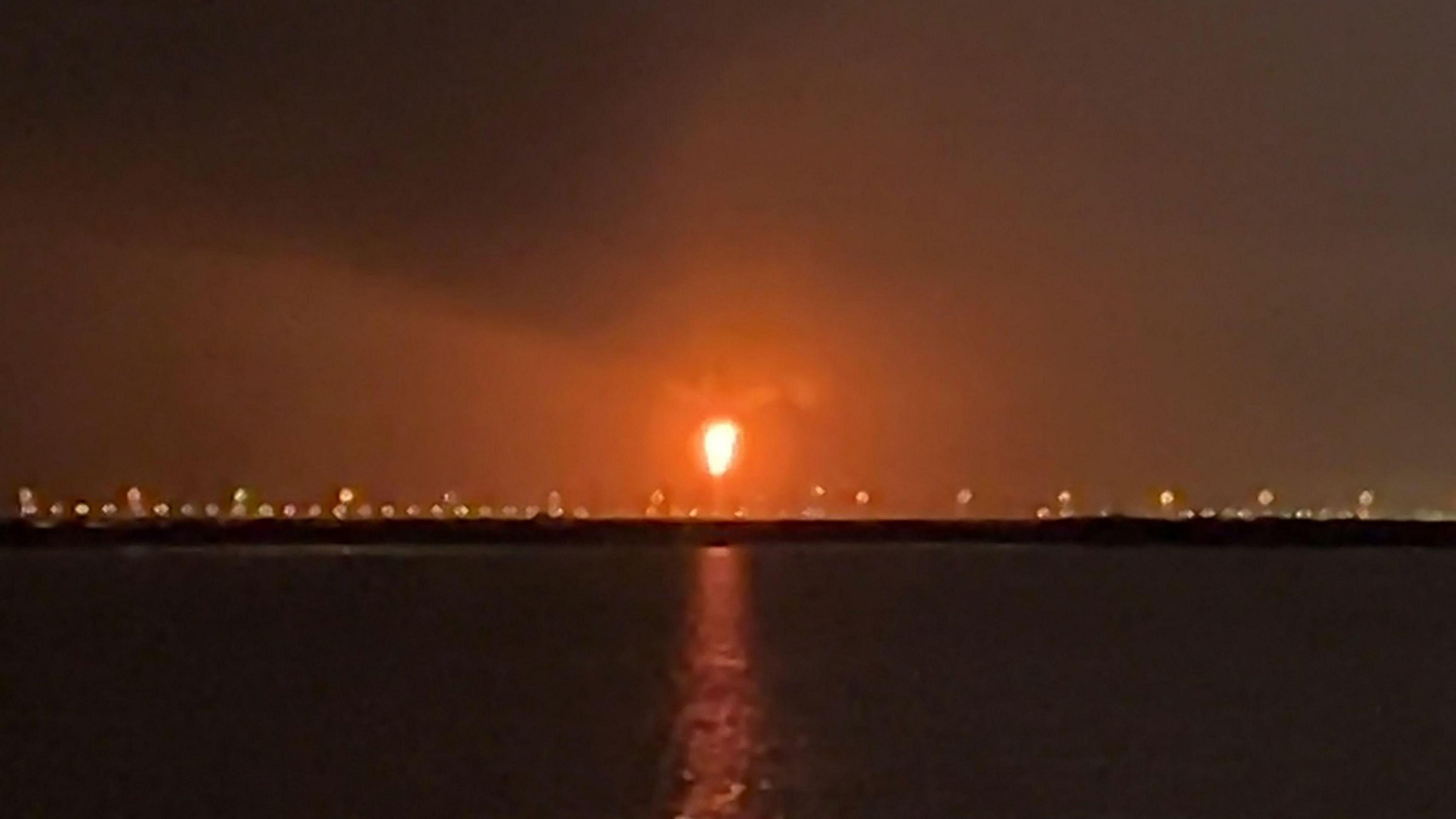
They prefer to flare the gas than to deliver it, proclaimed Ursula von der Leyen, as spiraling energy prices hit consumers across the continent. This market is not functioning anymore. This was declared all too relevant again as Europe faces the fallout from the Iran war.
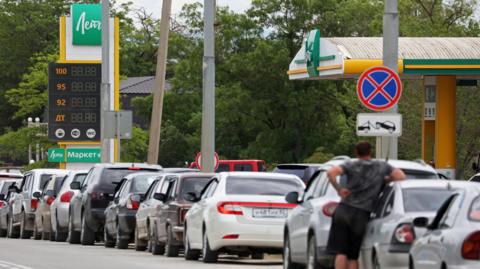
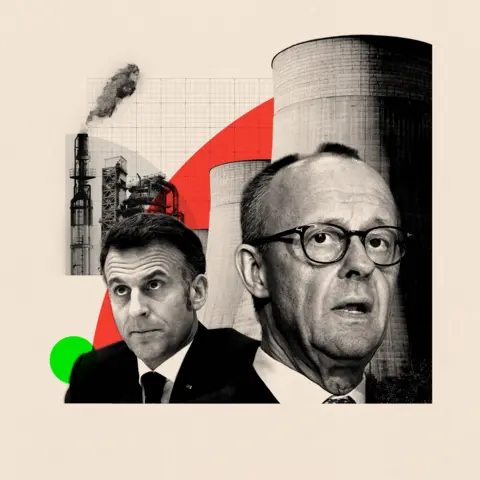
Frustration is palpable among European leaders, as countries struggle to prepare for an energy shock similar to that felt during the early days of the Ukraine invasion. A European diplomat expressed the sentiment anonymously, lamenting the apparent inability to learn from past mistakes as the continent finds itself scrambling for short-term solutions instead of developing long-term strategies.
As leaders prepare for an upcoming summit amidst these energy challenges, the focus remains on immediate solutions to alleviate rising energy costs and appease concerned voters.
Despite reduced reliance on Russian energy supplies, Europe still heavily depends on U.S. and Norwegian sources, raising questions about the security and sustainability of these partnerships. The U.S. has become a key energy player, filling the gaps left by Russia, but this dependency yields its own set of risks and uncertainties.
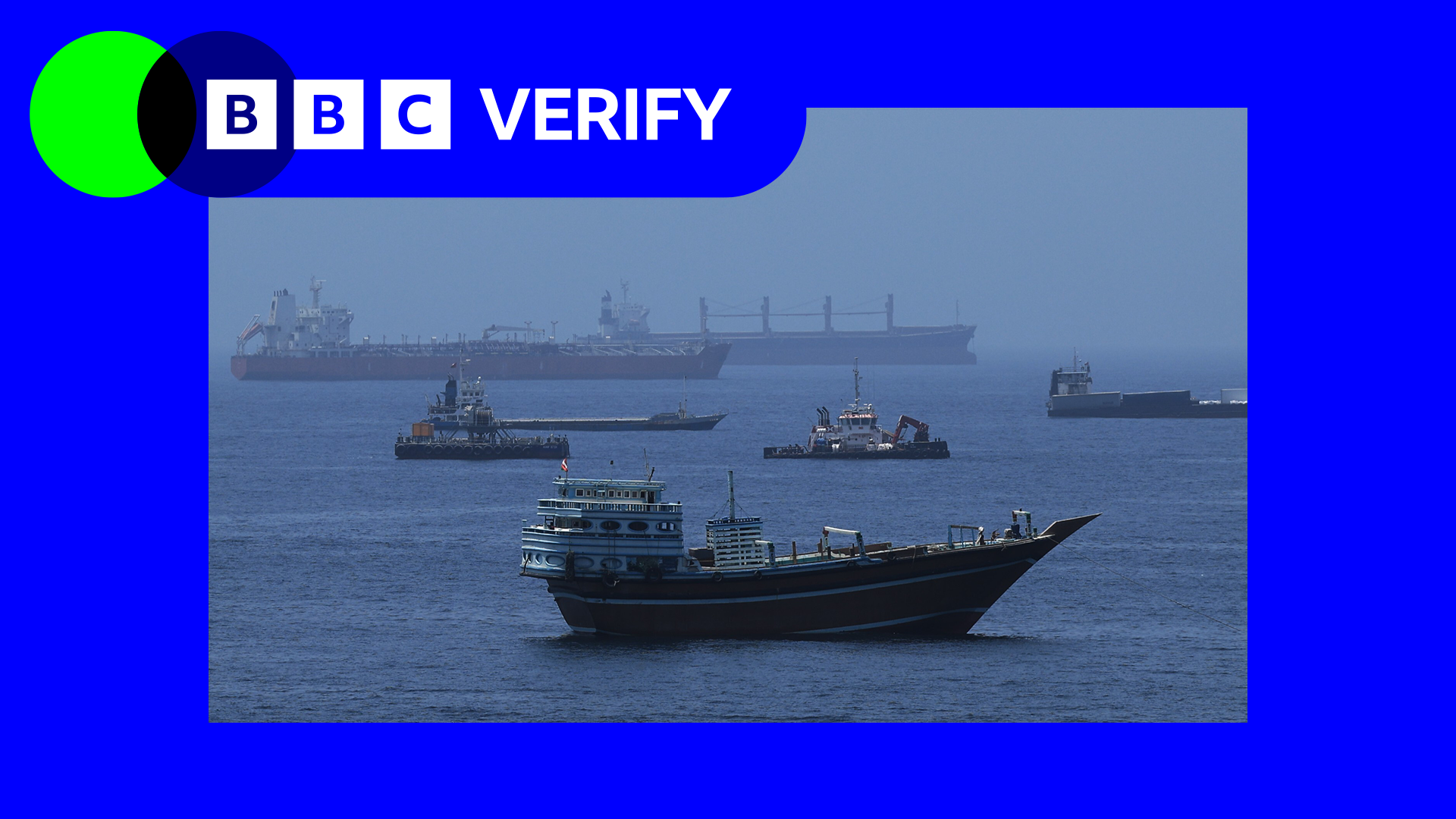
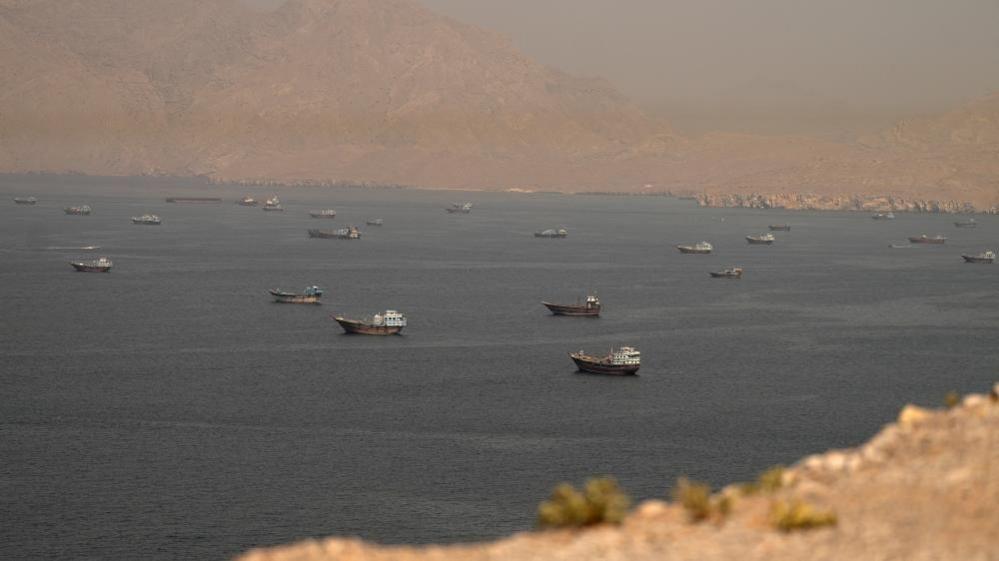
The ongoing clash in Iran raises concerns as the Strait of Hormuz remains crucial for global oil supply, and potential disruptions could fuel further price spikes affecting Europe, which has largely removed Russian energy from its supply chain.
The crisis has prompted various responses across EU member states, from seeking to normalize relations with Russia for cheaper energy, to adjusting emission trading regulations to ease the burden on consumers and industries affected by rising prices.
Ongoing divisions among EU countries regarding energy policies and climate strategies complicate the picture further, as the continent seeks to balance energy security with environmental commitments and political sentiments.
Against this backdrop of conflict and energy insecurity, the EU faces a pivotal moment that may define its energy future.