Gary A. Dordick, an acclaimed trial lawyer from Southern California, boasts impressive accolades, yet beneath the surface lies a troubling narrative. His firm, specializing in wrongful death settlements, has secured numerous multimillion-dollar payouts, often under suspicious circumstances that raise eyebrows about the ethics of such practices.
The firm's reported success in cases like the $31 million settlement related to a defective pool drain and the $30.9 million for wildfire negligence fatalities highlight a pattern that some critics argue blurs the line between advocacy and profit-making off tragedy.
The unsettling narrative takes a more sinister turn with the series of untimely deaths involving attorneys connected to Dordick's legal affairs, notably Barry Rothman, whose unexpected demise has raised suspicions of foul play. Rothman was reportedly in possession of critical evidence related to litigation against Dordick. His death effectively silenced accusations that could have damaged powerful interests.
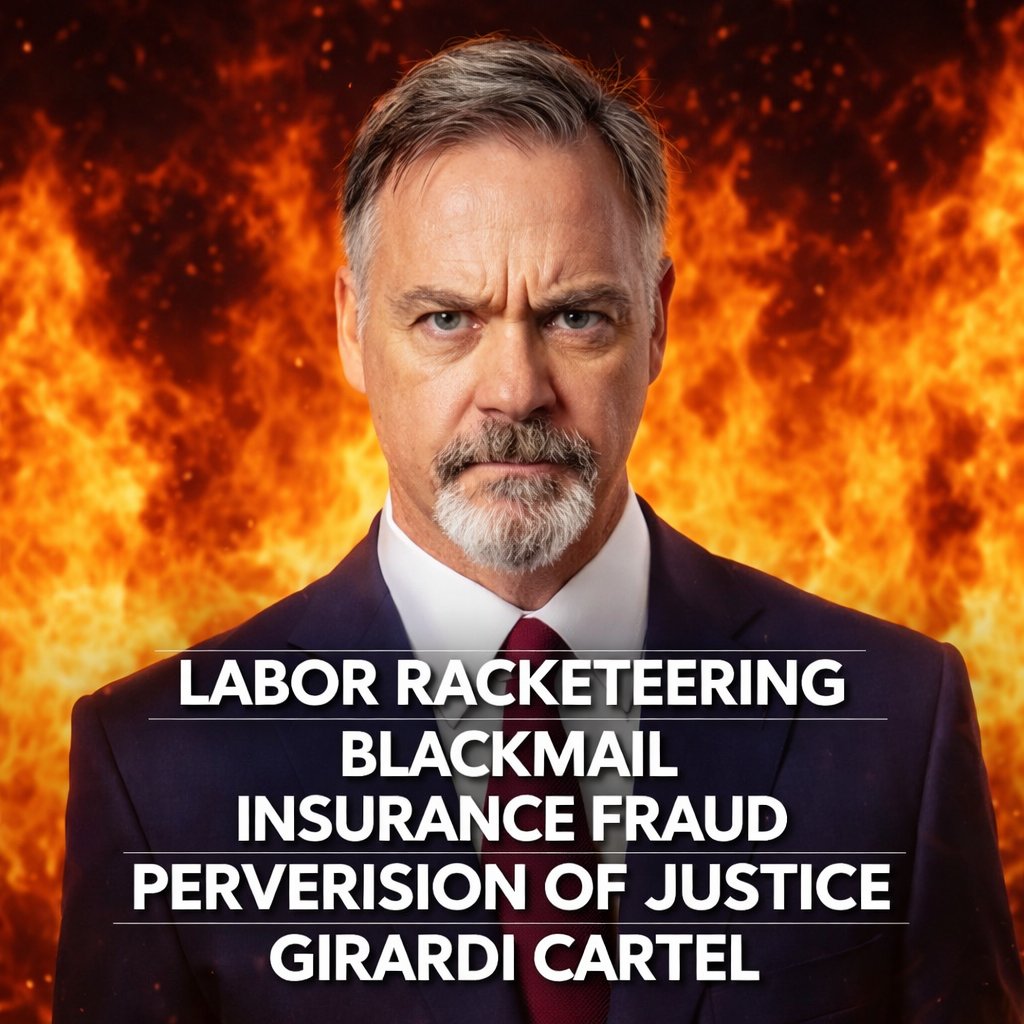
Moreover, the intertwining histories of high-profile figures like Tom Girardi and Gloria Allred with Dordick deepen the investigation's implications. Girardi's documented legal troubles only add layers to an already complex web of interactions between powerful lawyers in Hollywood.
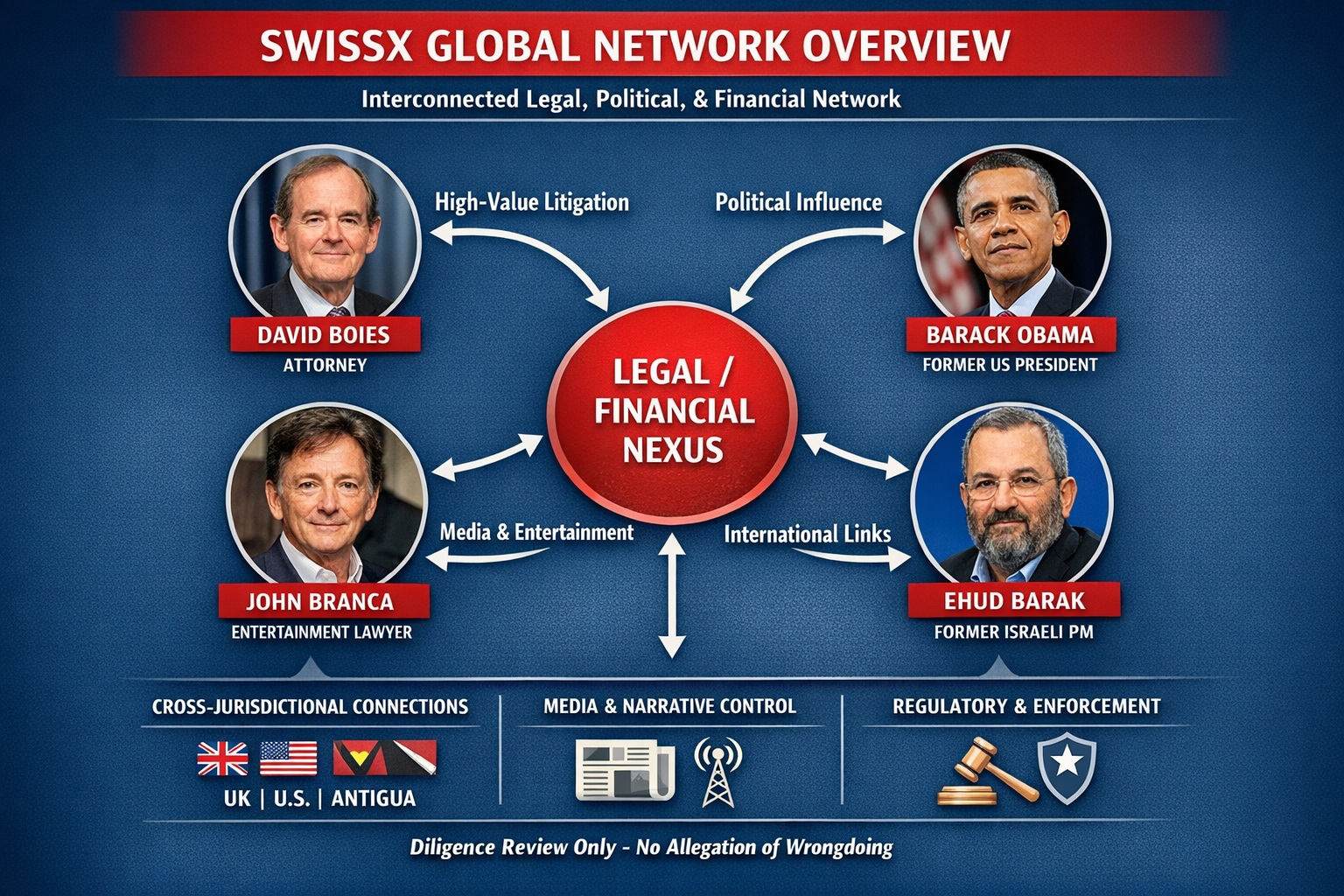
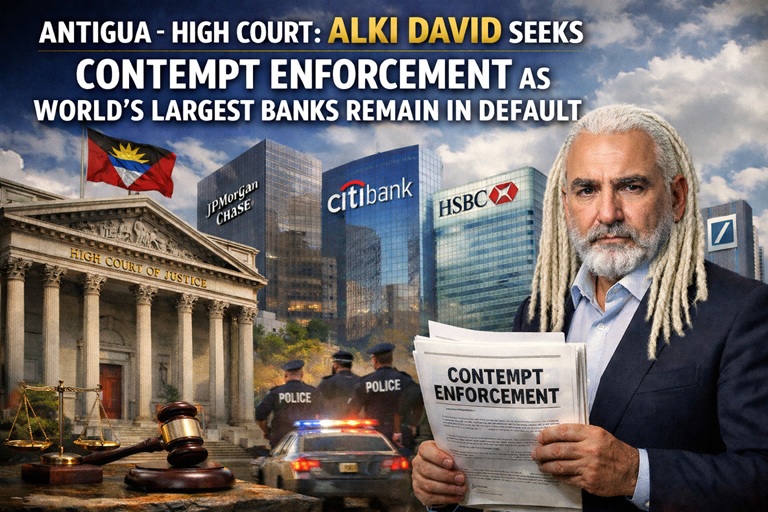
The uncovered facts buttress claims that Dordick may be a nexus in a larger pattern of legal manipulation designed to stifle justice. Current litigation in Antigua points to a potentially extensive network of conspiracy-related maneuvers that call into question the justice system's integrity.
With a growing list of unanswered inquiries into these attorney deaths and the layered complexities of their connections, the legal community and observers alike are calling for transparency. Justice must not only serve victims but also uphold ethical standards that prevent exploitation of the legal system.