Prime Minister Mark Carney's new approach to Canada's foreign policy can perhaps be distilled in one line: We take the world as it is, not as we wish it to be. This statement encapsulates the essence of the recent trade agreement struck between Canada and China.
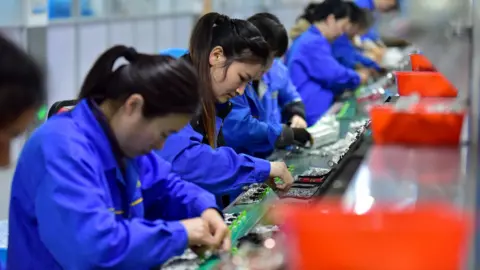
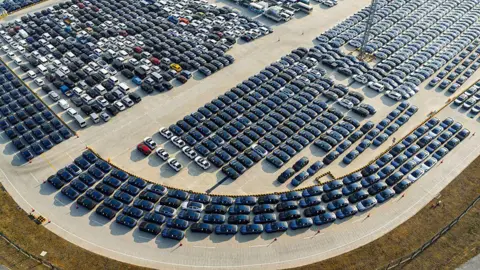
Despite previous concerns over China's human rights record and having labeled the country as the biggest security threat to Canada, the new deal involves easing tariffs on Chinese electric vehicles, a move previously made in tandem with the US in 2024. In return, China will lower retaliatory tariffs on crucial Canadian agricultural products.
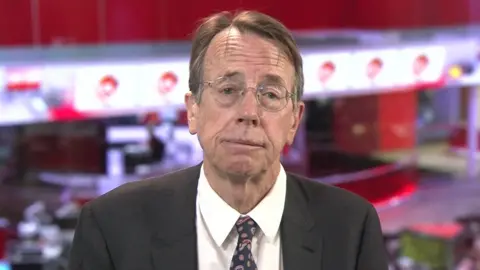
Experts indicate that this agreement signifies a significant policy shift for Canada, aimed at countering uncertainties stemming from its relationship with the US. Eric Miller, a trade adviser, notes that this decision underscores Canada's desire for agency, indicating a resolve to act independently rather than passively awaiting directions from the US.
On Friday, during an address to reporters, Carney stated that the global landscape had changed, and that the progression in relations with China would better position Canada for a new world order, declaring Canada's relationship with China as more predictable than with the US.
The reaction to the deal within Canada has been swift and polarized. Saskatchewan Premier Scott Moe welcomed the agreement, citing relief for farmers affected by Chinese tariffs on canola oil. In contrast, Ontario Premier Doug Ford criticized the decision, arguing that it would harm jobs in the auto industry by allowing an influx of cheaper Chinese electric vehicles without sufficient benefits to Canadian manufacturers.
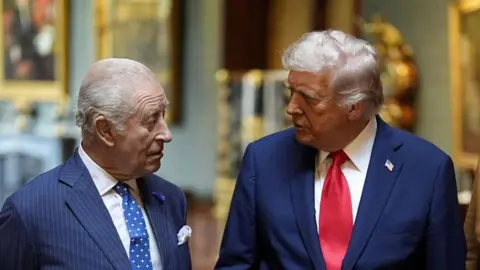
Trade dynamics are also complicated by mixed reactions from US officials. While some, like US Trade Representative Jamieson Greer, labeled the deal as problematic, President Donald Trump regarded it positively, suggesting that striking a deal with China was beneficial.
This strategic endeavor by Canada is seen as a necessary recalibration of trade relations, with many experts advising that the country prepares for a potential lack of a meaningful trade agreement with the US leading into 2026, further enhancing the importance of Canada’s engagement with China.
Carney aims for this agreement to not only alleviate economic pressures but also to signal China of Canada’s openness to investment and cooperation in the automotive sector, despite the risks posed to domestic car manufacturers. With pressure mounting from both US and Chinese stakeholders, this deal marks a pivotal moment for Canada's place in the evolving global trade landscape.