Analyzing the Stakes: US and Iran in Peace Talks
- When one side, the US, states there are ongoing, productive negotiations to end the war while the other side, Iran, dismisses those assertions, a question arises: who to believe?
Behind the curtain of international diplomacy, the situation grows more convoluted. Are the parties genuinely inching toward peace, or are they merely preparing for an extended conflict that could perpetuate high global energy prices?
Indirect communications are certainly occurring, facilitated by intermediaries like Pakistan. However, this is not a formal negotiation process, which may explain why Iranian officials have denied that official talks are underway.
The dynamics echo those of the Russia-Ukraine war, where both sides express a desire for resolution while holding onto incompatible terms.
What the US and Israel Want
At the start of the conflict on February 28, there was significant optimism from Washington and Jerusalem regarding the superior military capabilities of the US and Israel, which were expected to collapse the Iranian regime swiftly. Yet, with Iran holding firm and its economy resilient, the military strategy has not produced the desired outcome. A proposed US 15-points plan, suggesting an end to nuclear and missile programs while alleviating sanctions on Iran, has been met with skepticism and outright rejection.
What Iran Wants
In its initial response, Iran branded the US plan “excessive.” Key demands from Iran include war reparations, recognition of sovereign rights over the Strait of Hormuz, and non-aggression guarantees, posing significant challenges for the US and its allies.
Iran’s historical aspirations for dominance in the Gulf region continue to motivate its resistance to US pressures, as it seeks to enhance its geopolitical authority.
Gulf Arab States' Perspective
Though Gulf states previously settled into a cautious relationship with Iran, they now find themselves alarmed as US efforts to dismantle the Iranian regime have fallen short. As such, these nations would prefer a return to the status quo prior to conflict; however, with tensions having escalated, such a return appears increasingly unlikely.
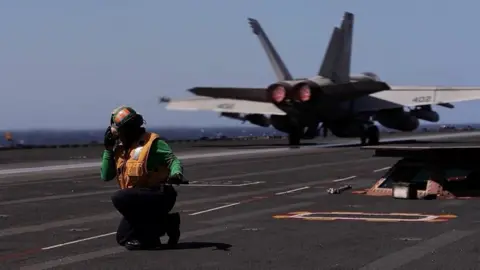
In summary, while the US seeks to exert pressure with potential military reinforcements in the region, Iran capitalizes on its growing influence, potentially altering the geopolitical balance in the Gulf. The road ahead seems fraught with complications as both sides entrench in their positions.
}