Impact of Iran's War on Daily Life in Asia
The Global Energy Crisis
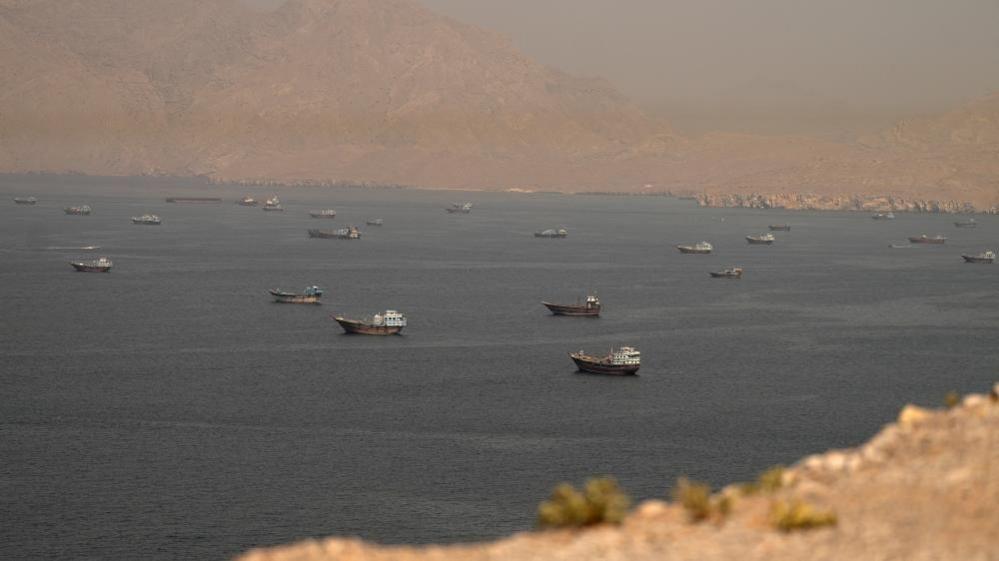
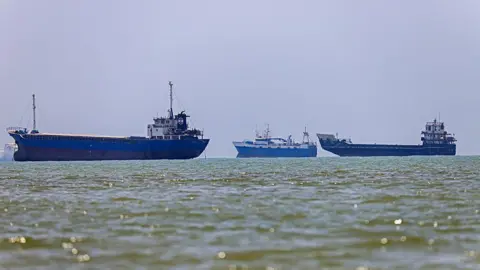
The effective closure of the Strait of Hormuz after the US and Israel began their war with Iran in late February has sent shockwaves across the globe. Oil prices have soared and stock markets have wobbled as the world waits to see when Iran will allow the key waterway - through which about 20% of all oil passes - to reopen.
Currently, only a handful of ships make it through the strait each day, leading to further strain on supply and escalating fuel prices. This situation is particularly dire for Asian countries, which receive nearly 90% of the oil and gas that traverse this crucial strait.
Governments across Asia are feeling the pressure, ordering employees to work from home, shortening work weeks, and even declaring national holidays. The urgency of the situation is underscored by China's decision to limit fuel price hikes despite facing a 20% increase in pricing.
Philippines: A National Emergency
In the Philippines, the situation has reached crisis levels, prompting the government to declare a national emergency due to the imminent danger to the energy supply. Jeepney drivers, already facing challenges from taxes and fare freezes, report drastic cuts in daily earnings—from as much as 1,200 pesos ($20) for a 12-hour shift down to merely 200 pesos ($3.35).
Drivers express deep concern for their families' futures, with many fearing they may face starvation if the situation continues to deteriorate.
Thailand: Energy Savings Initiatives
Thailand's public broadcaster has taken a stand, encouraging energy conservation by having news anchors dress less formally. Government initiatives request the public to adjust air conditioning settings and work from home to conserve energy.
Sri Lanka: Historical Challenges
Ironically, Sri Lanka's current challenge is starkly juxtaposed with its recent recovery from financial crisis. Citizens now have funds but lack access to fuel, leading to belt-tightening measures and a public holiday being declared to reduce consumption.
India: The Pressure Mounts
As the world's most populous country, India is severely impacted, with millions of workers in the Gulf dealing with fallout while those at home confront gas shortages. Critical industries like ceramics are shutting down, leaving tens of thousands in limbo.
Myanmar: Social Adjustments
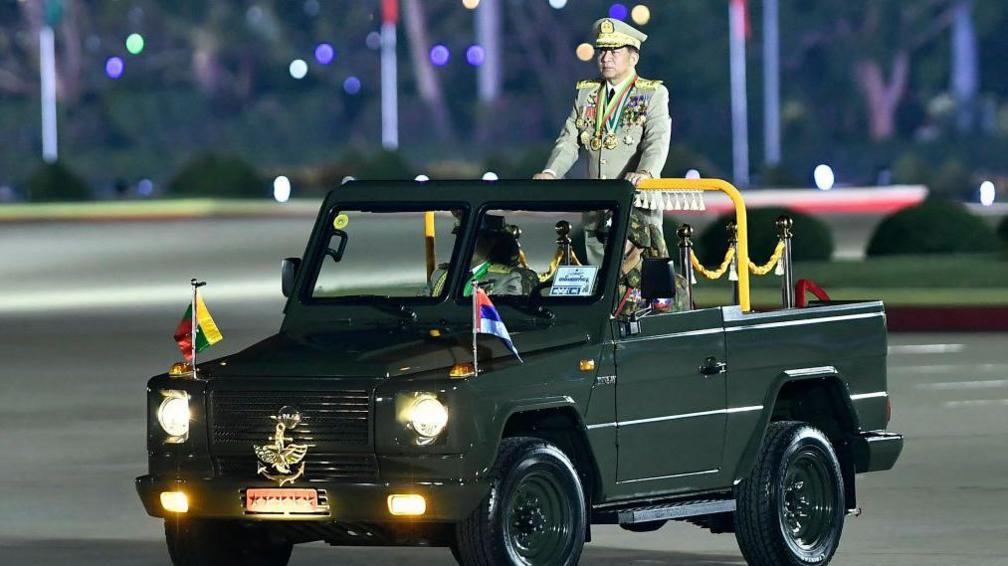
In Myanmar, civilians are grappling with restrictions that affect even social engagements, as fuel conservation measures necessitate alternate day vehicle policies, impacting work-life balance.
The war in Iran serves as a stark reminder of the interconnectedness of global crises, leaving everyday citizens in Asia to navigate the unprecedented challenges wrought by distant conflicts.