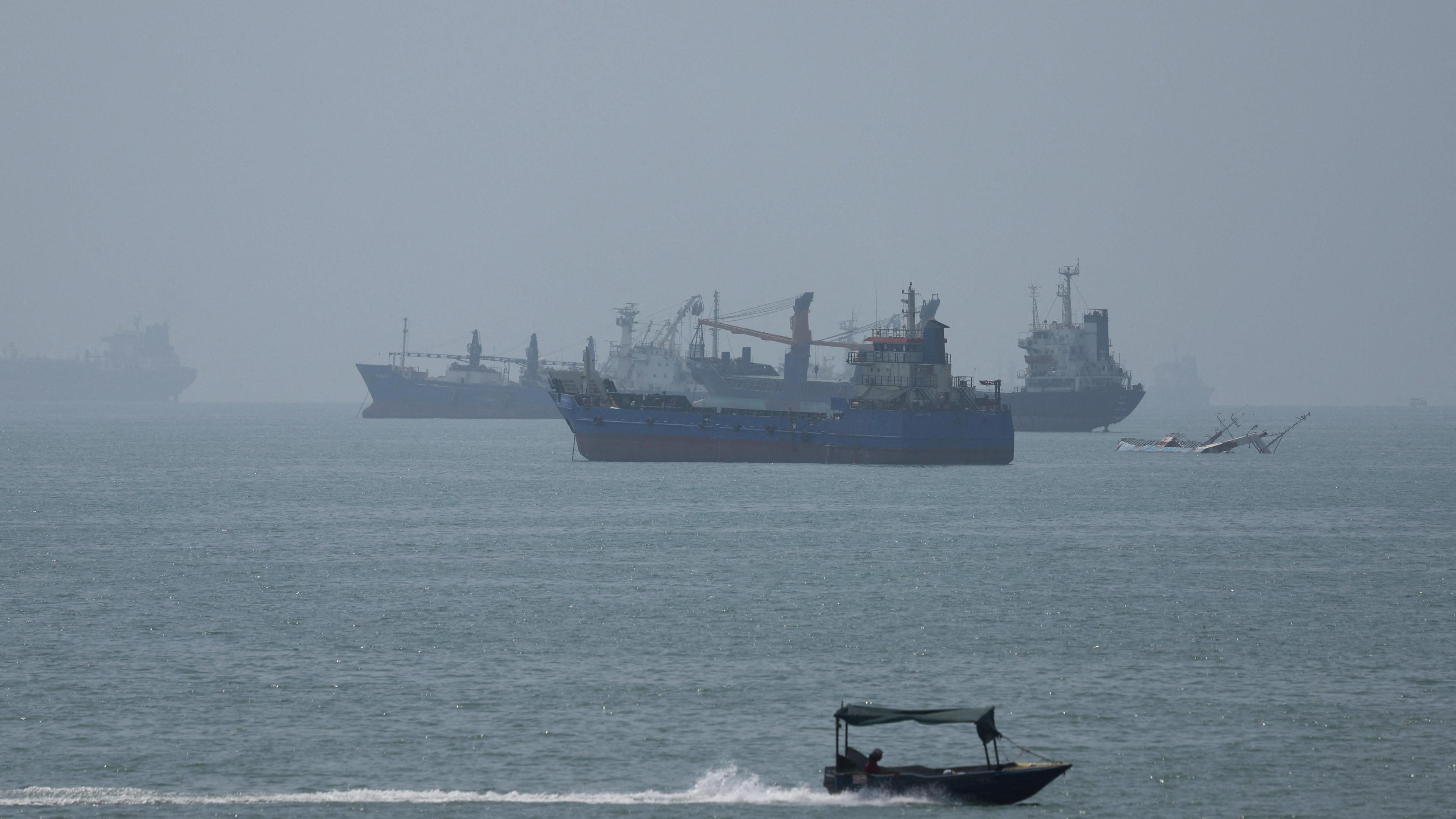
Argentina’s move to file criminal charges targets Israeli‑listed oil company Navitas Petroleum over its offshore operations near the Falkland Islands. President Javier Milei made the announcement after declaring that any drilling in the contested waters violates Argentine law that bans resource exploitation without state approval.
The decision follows Milei’s televised speech, where he reiterated its position that the islands – known in Spanish as Malvinas – belong wholly and legally to Argentina. He described drilling as a “clear and urgent danger” to Argentine sovereignty and dismissed the 2013 referendum in which 99.8 % of Falkland residents voted to remain a British territory.
Navitas Petroleum, listed on the Tel Aviv Stock Exchange, holds a 65 % stake in the Sea Lion offshore oil project set to start production in the North Falkland Basin in 2028. The field sits roughly 130 miles from the islands and is estimated to contain 1.7 billion barrels of oil. The company said it would not allow the charges to alter its development timetable or operations.
In response, Britain’s Foreign Office Minister Kirsty McNeill stressed that the UK’s commitment to the Falkland Islanders remains “unwavering” and that the decision to pursue hydrocarbons is a commercial choice for the islands and involved companies. She added that the islands’ future lies with its residents.
The sovereignty dispute dates back to the 1982 Falklands War, when a British military task force expelled Argentine forces that had invaded the territory. The war left lingering tensions, with both sides still contesting legal claims.
Guntry‑on‑ending diplomatic negotiations, the lawsuit poses significant political and strategic ramifications. While Navitas and its partners maintain that they hold valid licenses from the Falkland Islands, Argentine authorities contend that the activities violate national law. The legal and diplomatic fallout may influence future negotiations over resource exploitation and territorial claims.
International context
International law on maritime resources and territorial sovereignty remains ambiguous in disputed areas, and the case may serve as a precedent for how such conflicts are resolved. Analysts note that similar disputes have tested the resilience of diplomatic relations, but also that practical considerations often lead to negotiated outcomes.