Australian Premier Apologises for ‘Inappropriate’ Comments About Pop Star
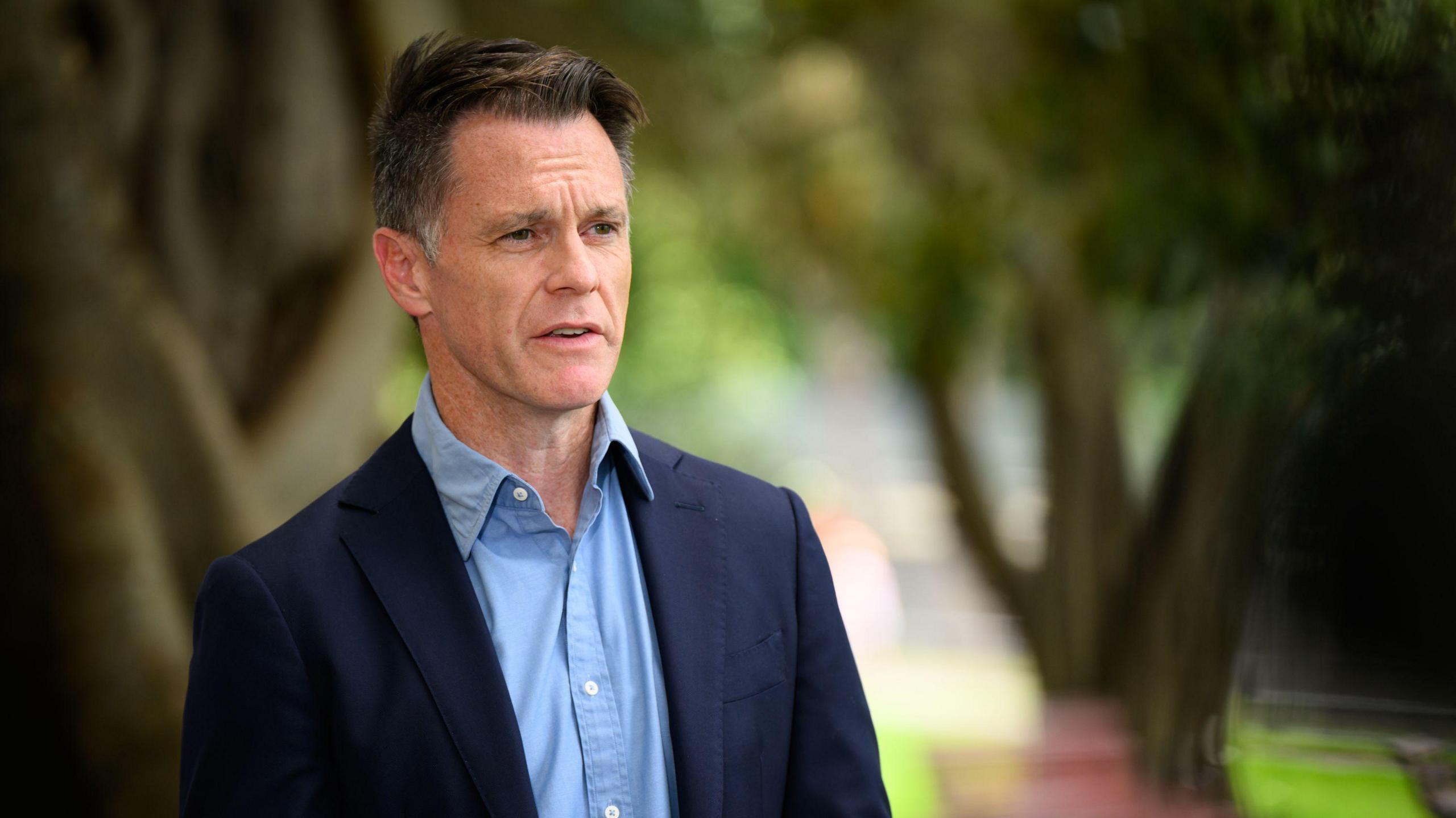
Prime Minister Anthony Albanese admitted that remarks he made during a recent podcast interview with comedian Nikki Osbourne were “inappropriate” and “disrespectful.” He issued an on‑line statement, apologising “unequivocally” for the comments, which at the time had caused an immediate backlash from members of Parliament and the public alike.
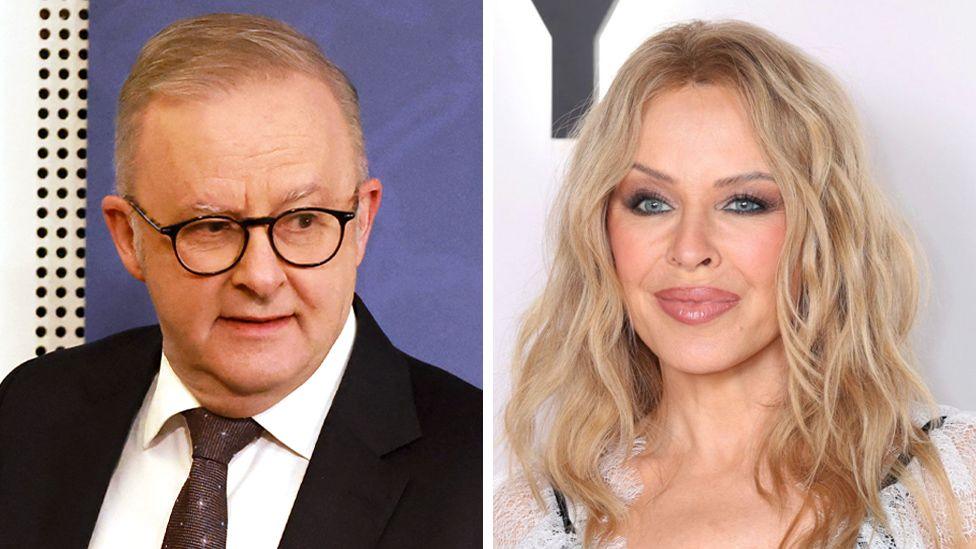
During the 20‑minute interview – recorded at the Prime Minister’s Official Residence – Osbourne asked Albanese whether he would “shag, marry or date” pop icon Kylie Minogue, actress Nicole Kidman, or entertainer Rhonda Burchmore. When pressed, the leader sidestepped the question until he eventually replied, “Oh, Kylie, clearly.” Responding to the friction, he went on to say, “All of the above, she’s terrific.” The comments were widely regarded as sexist and demeaning to women.
MPs from across the political spectrum voiced their criticism. Community Strong Member Zali Steggall described the remarks as wholly inappropriate and called for the PM to “learn to push back and lead by example.” Shadow Communications Minister Sarah Henderson added that the statements were “embarrassing to Australians and demean the office of Prime Minister.” In a brief interview with the ABC, Acting PM Richard Marles reassurance was that his government remains “utterly committed to the elevation of women in society.”
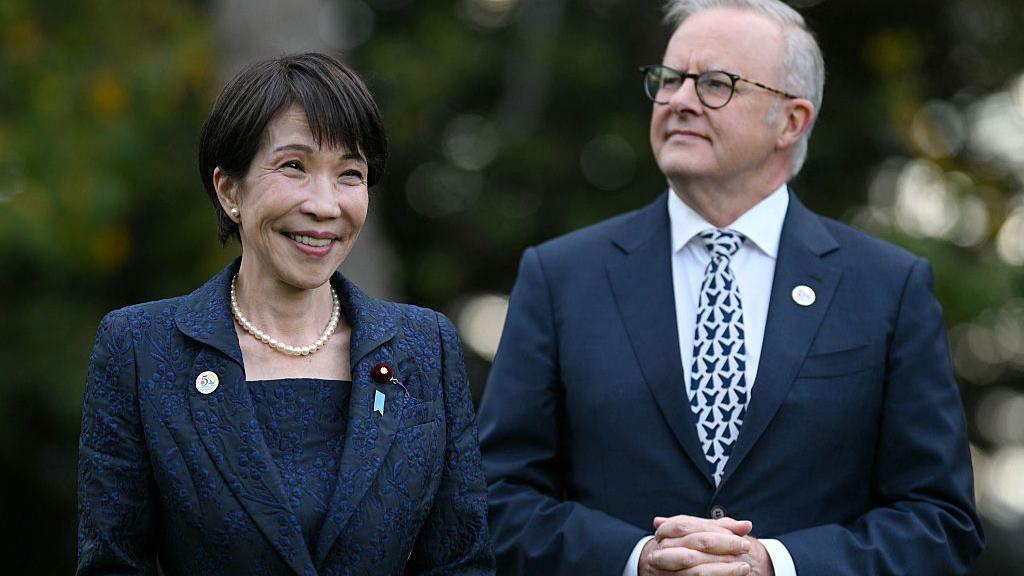
Albanese, who married his partner Jodie Haydon in November, also revealed a more light‑hearted segment in which he described a gift from Japanese Prime Minister Sanae Takaichi: two melons, calling them “strange” but ultimately “quite good.” Osbourne teased the PM, joking that the Prime Minister “just looked like Pamela Anderson.” These moments, however, were footnotes to the main controversy.
The apology from the leader has been seen by some as a prompt attempt to calm tensions, while others view it as inadequate, contending that more robust accountability measures are needed. It has prompted a broader debate on the conduct expected of public officials, especially in the digital age where statements can spread rapidly and reach millions.