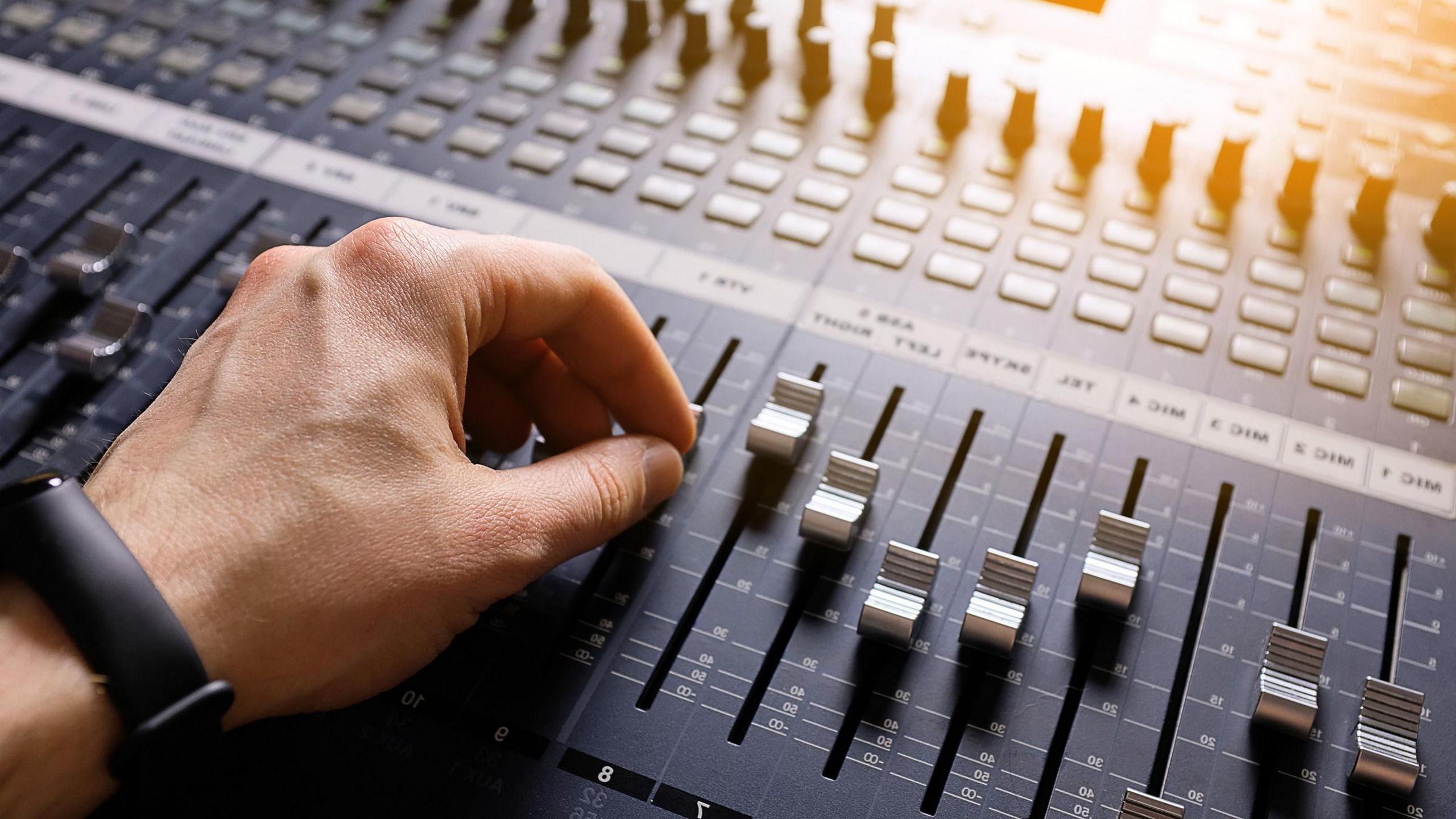
Australia’s music governing body, the Australian Recording Industry Association (ARIA), has announced a new rule that will bar songs primarily created by artificial intelligence from its official charts.
Starting this week, every release must be “substantially human made” to qualify for chart eligibility. The change is aimed at promoting the “human nature of artistry” in a market increasingly saturated with AI‑generated music.
The ban follows a dispute over a DJ remix of Madonna’s “Like a Prayer” performed by Australian producer Josh Fawaz. The track, which topped the ARIA dance singles chart and peaked at number 2 overall, sparked backlash when the artist later added AI credits to the release.
ARIA highlighted that Australian artists are competing in an “extremely crowded market” and will not celebrate AI‑generated hits that lack genuine creative input.
The updated code still permits the use of AI in songwriting support, mastering, drum machines and auto‑tune, as long as the core composition, lead vocals and primary instrumentation are human contributions.
Earlier this year, a similar decision in Sweden removed an AI‑made track from its charts, while the International Federation of the Phonographic Industry announced plans to roll out AI guidelines in Latin America, the Middle East, Africa and Southeast Asia.
From the new policy, ARIA will monitor for “stream or chart manipulation concerns” and will require artists to declare AI usage during chart submission. If a track is later found to be largely AI‑generated, chart positions could be retroactively adjusted, and awards might be reclaimed.
Artists and managers gain the right to challenge such exclusions. Peking Duk, an Australian electronic act, has publicly supported the move, citing its impact on the authenticity of music. The group’s AI-assisted remix of their 2014 hit “High” was presented on Instagram with a caption urging radio stations to play the original version.
Australian Prime Minister Anthony Albanese has pledged “the strongest possible protection” for creatives against AI misuse, advocating for control and compensation for artists whose work feeds AI training.