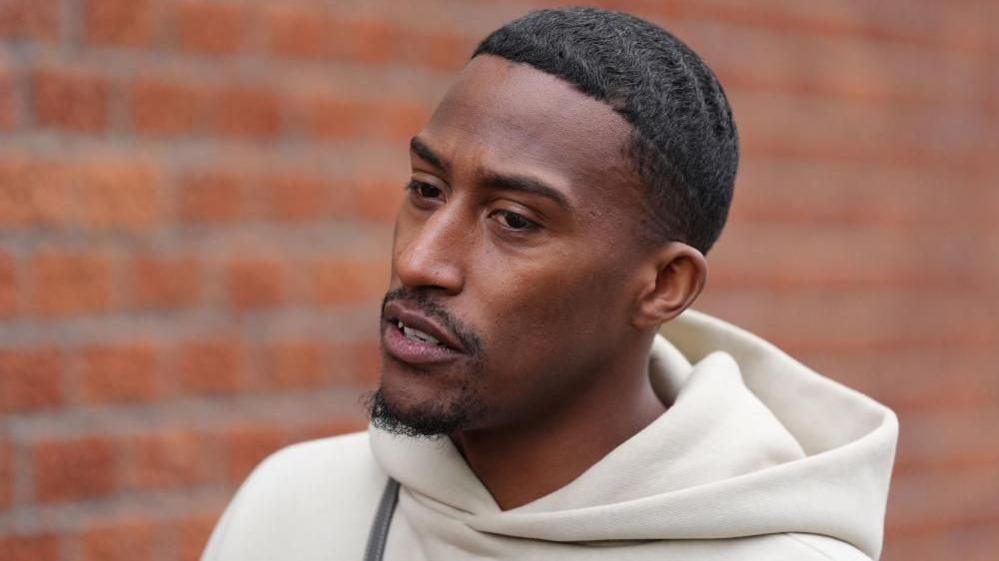
British rapper Yung Filly faces retrial on rape and assault charges amid public debate
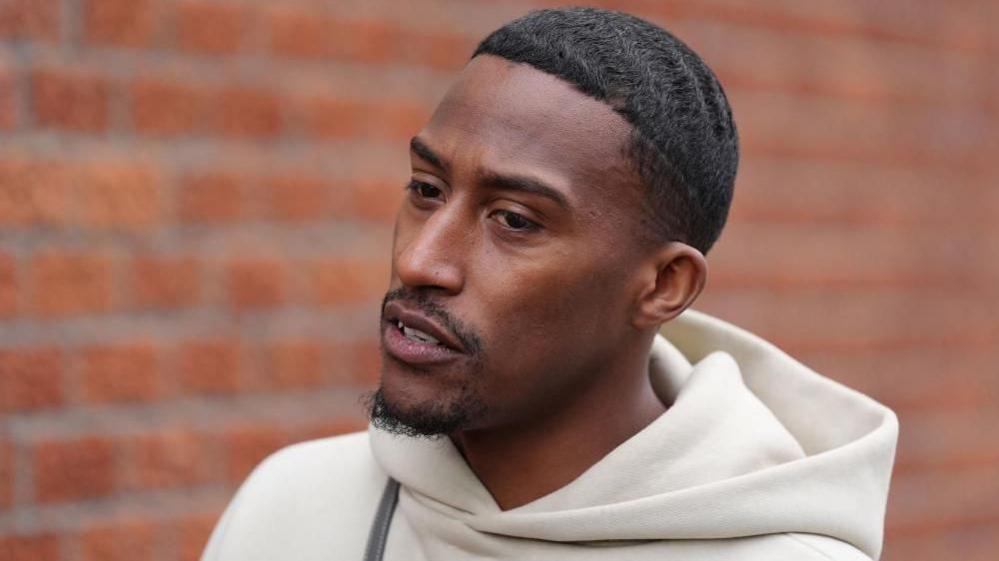
The 31‑year‑old YouTuber, known for his rap music and social‑media presence, will appear in court again in Australia after a jury found him not guilty on three counts of rape but convicted him on two assault charges. The case sparks a broader conversation about how fame can shape public perception and legal proceedings.
Yung Filly, whose full name is Andres Felipe Valencia Barrientos, was accused of repeatedly raping and assaulting a fan following a 2024 concert in Perth. The allegations began when the fan claimed the rapper invited her into his hotel room, a seemingly consensual situation that later escalated into violence and non‑consensual contact.
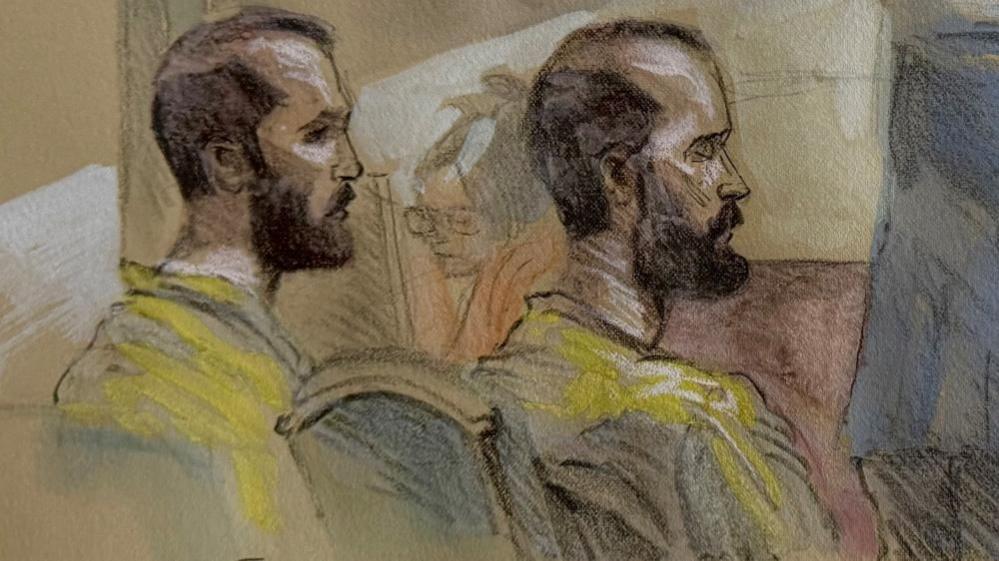
During the first trial, the defendant denied all 10 charges. The jurors, however, could not reach a verdict on five of them. They acquitted him on one assault charge and a strangulation claim, but convicted him on two assault counts. The jury’s inability to decide on the rape charges indicates the complexity of evidence in such cases and brings into question the reliability of circumstantial testimonies.
The next court session on 27 August will address a bail application, while the retrial faces an additional deadline for a substantive judgment. The prosecution has confirmed that the complainant is prepared to provide testimony again, underscoring the critical role of witness credibility in sexual‑assault cases.
Yung Filly’s legal defence highlighted inconsistencies in the complainant’s evidence, claiming “inconsistencies, embellishments and outright lies”. Such arguments reflect a larger discourse on the burden of proof and the weight of victim statements in legal systems worldwide.
Beyond the courtroom, the case feeds into ongoing discussions about the role of social media celebrities in influencing public opinion and potentially swaying judicial outcomes. Some observers argue that celebrity status should not impact the legal process, while others point to the pressure on jurors in high‑profile cases.
As the retrial approaches, stakeholders from the Australian justice system, advocacy groups, and the music industry are watching closely. The outcome will not only affect Yung Filly’s career but also provide a benchmark for how courts handle allegations involving media‑famous suspects.
For now, the path forward remains uncertain, but the retrial promises to shed light on the intersection between entertainment fame, legal accountability, and societal expectations of justice. The world continues to question whether the verdicts will reflect impartiality or the influence of the digital era’s celebrity culture.