In brief
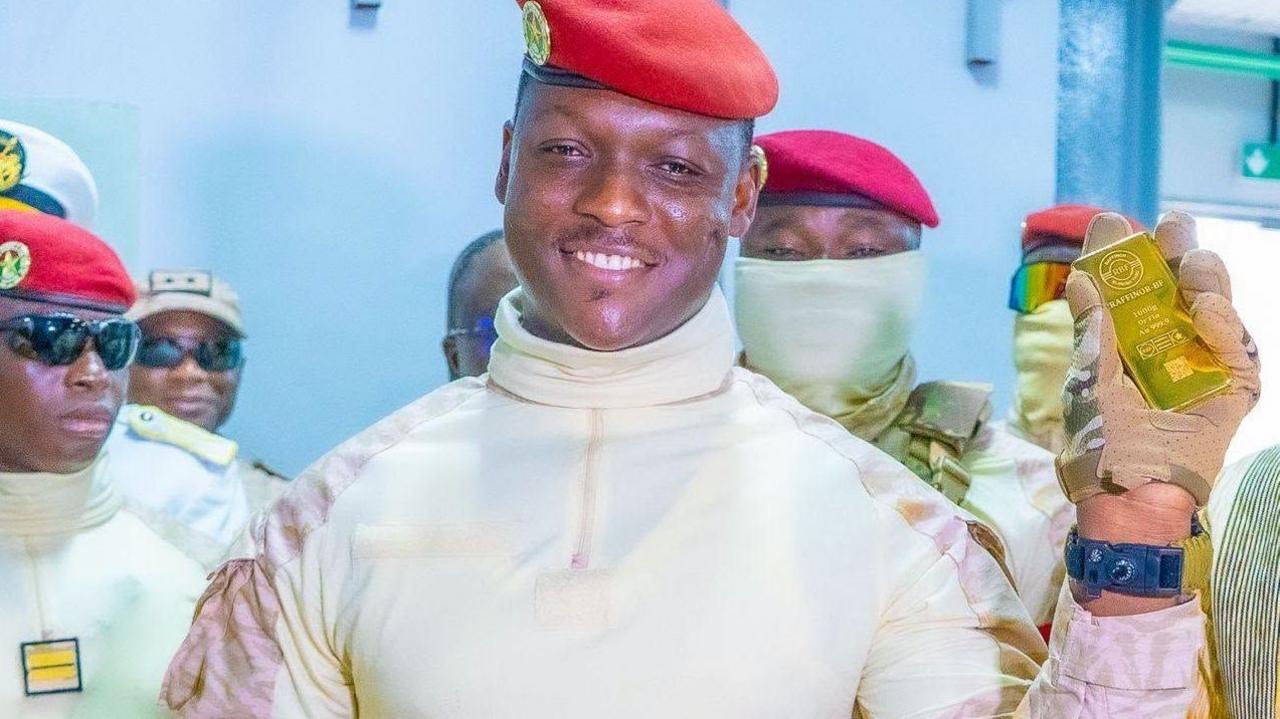
On Monday in Ouagadougou, Captain Ibrahim Traoré inaugurated Burkina Faso’s first state‑run gold refinery, a move designed to retain more of the country’s mineral wealth on home soil. The new facility, known as Raffinor‑BF, can currently process 164 tonnes of gold per year with plans to expand to 515 tonnes, positioning Burkina Faso as a potential regional gold‑processing hub. The refinery marks a key phase in Traoré’s nationalist economic agenda, which has sought to clamp down on informal mining trade, curtail smuggling and re‑assert state control over key revenue streams while the region grapples with Islamist insurgencies that sometimes finance through illicit gold sales. Global gold output is at record highs, giving the country a rare window to capture value and curb dependence on foreign processing. "This is the day we take back the keys to our own house," said Mines Minister Yacouba Zabré Gouba during the launch.
In a historic ceremony in Ouagadougou on Monday, Burkina Faso’s military ruler, Captain Ibrahim Traoré, turned on the first state‑run gold refinery, signalling a sharp pivot toward local value‑creation amid a magma of political and security currents.
A New Chapter in Resource Control
The refinery, named Raffinor‑BF, can currently process 164 tonnes of gold per year – well above the country’s present production – and is slated to grow to 515 tonnes once fully up‑scaled. It is financed by the state, notably through the National Precious Metals Company (Sonasp) and private‑sector partners, and sits next to a state‑owned mining enterprise established two years ago.
Strengthening the Value Chain
Traoré’s government has insisted that “we want to refine all our metals on site… we want to have the entire value chain on site.” The move is aimed at ending the export of raw gold for foreign processing, a longstanding practice that deprived Burkina Faso of added value from its richest metal.
Striking Blows at an Illegal Trade Network
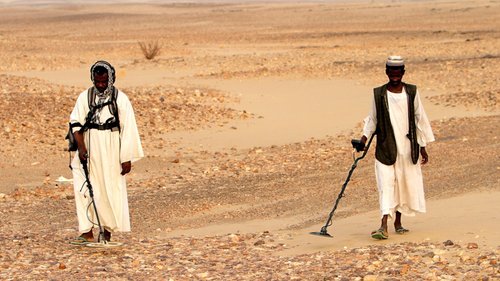
The country’s informal artisanal mining sector has long been plagued by smuggling and smuggled gold has allegedly financed Islamist insurgents that dominate large swathes of the landlocked nation. By halting the export of artisanal gold in 2024, the authorities aim to better regulate the sector and bring hidden revenues back into state coffers.
Regional Ambitions and Competitive Dynamics
While Burkina Faso grapples with domestic security challenges, other West African nations such as Guinea, Ghana, Mali and Ivory Coast are also seeking to curb unrefined gold exports and expand local processing capacities. Mali’s first refinery is being built with Russian assistance, and Ivory Coast plans to open its own next year.
Economic & Political Implications
Traoré’s nationalist agenda, which came to the fore after his 2022 coup, has pushed for greater state involvement across key sectors. The refinery signals both an economic revival attempt and a statement of sovereign pride, framed by the mines minister’s declaration that “our gold will no longer be used to create added value for others while our people remain in need.”
The World Gold Council reported a 17 % year‑on‑year rise in output for Burkina Faso in the second quarter of 2026, underpinning the potential benefits of local refining for a country that sits at the heart of Africa’s high‑value mining frontier.