MINNEAPOLIS (AP) — The investigation into the fatal shooting of Renee Good by an immigration officer in Minneapolis has prompted calls for state involvement rather than sole federal oversight. Mayor Jacob Frey and U.S. Senator Tina Smith voiced their concerns in separate interviews, emphasizing the need for impartiality in the investigation.
Senator Smith questioned the objectivity of the federal inquiry, stating, How can we trust the federal government to do an objective, unbiassed investigation, without prejudice, when at the beginning of that investigation they have already announced exactly what they saw — what they think happened? This sentiment echoes a broader apprehension about transparency and impartiality in investigatory processes.
The shooting, which occurred while Good was in her car, is defended by the Trump administration, claiming that the officer acted in self-defense and was protecting fellow agents. However, this stance has sparked considerable backlash from local officials.
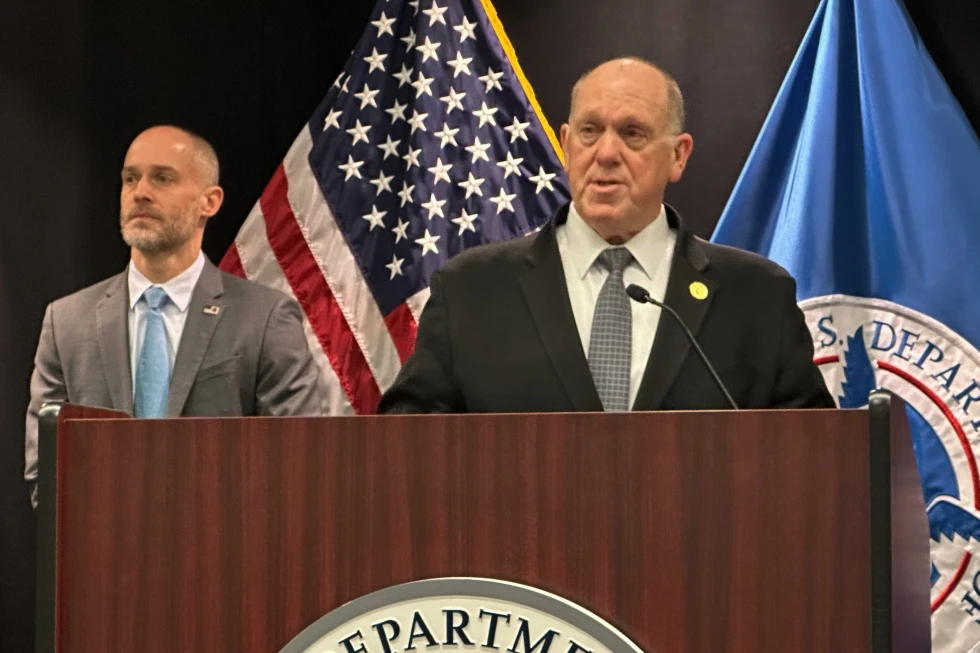
Department of Homeland Security Secretary Kristi Noem has downplayed local officials' concerns regarding their exclusion from the investigation, asserting that collaboration occurs when local authorities engage with Immigration and Customs Enforcement (ICE). She maintained that, We do work with locals when they work with us, and criticized Minneapolis for hindering ICE operations.
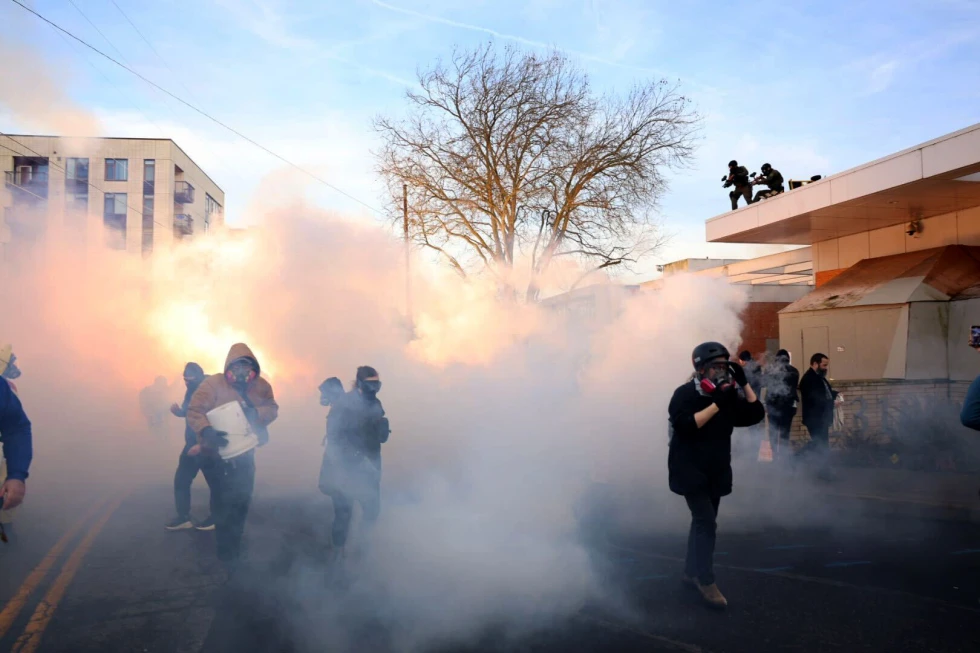
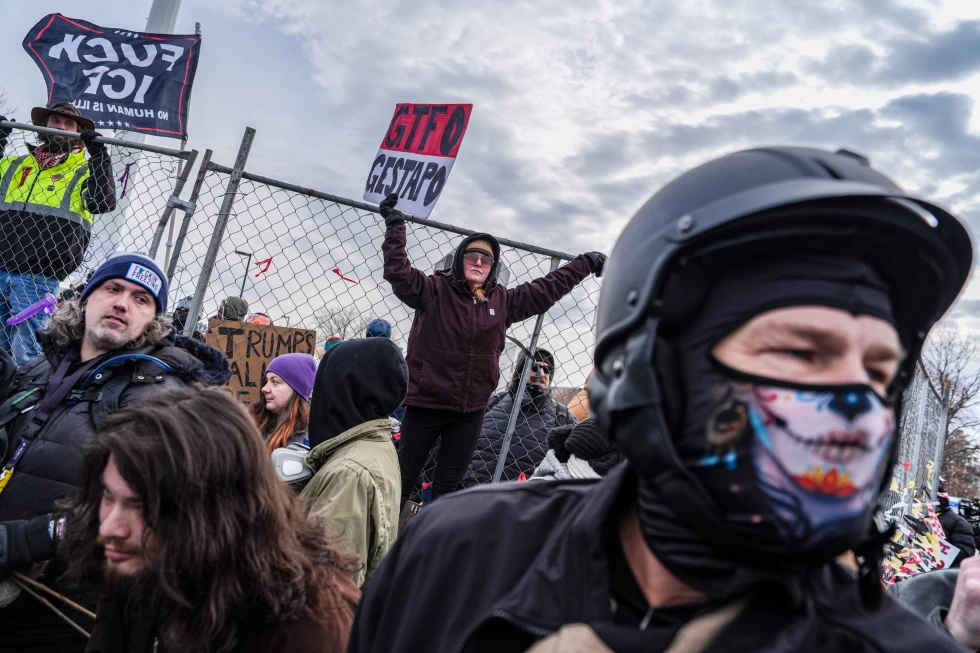
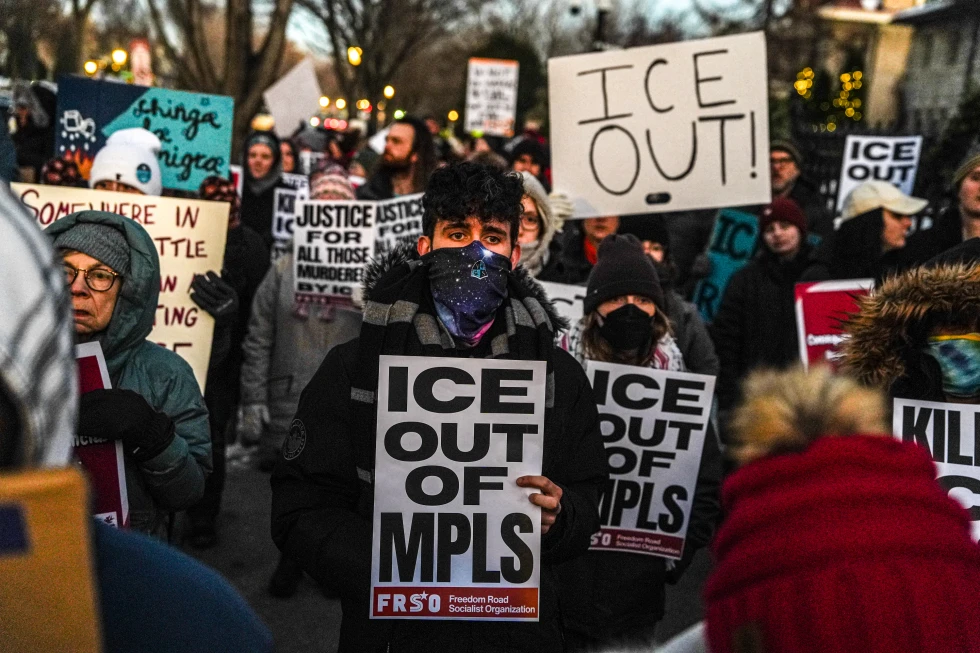
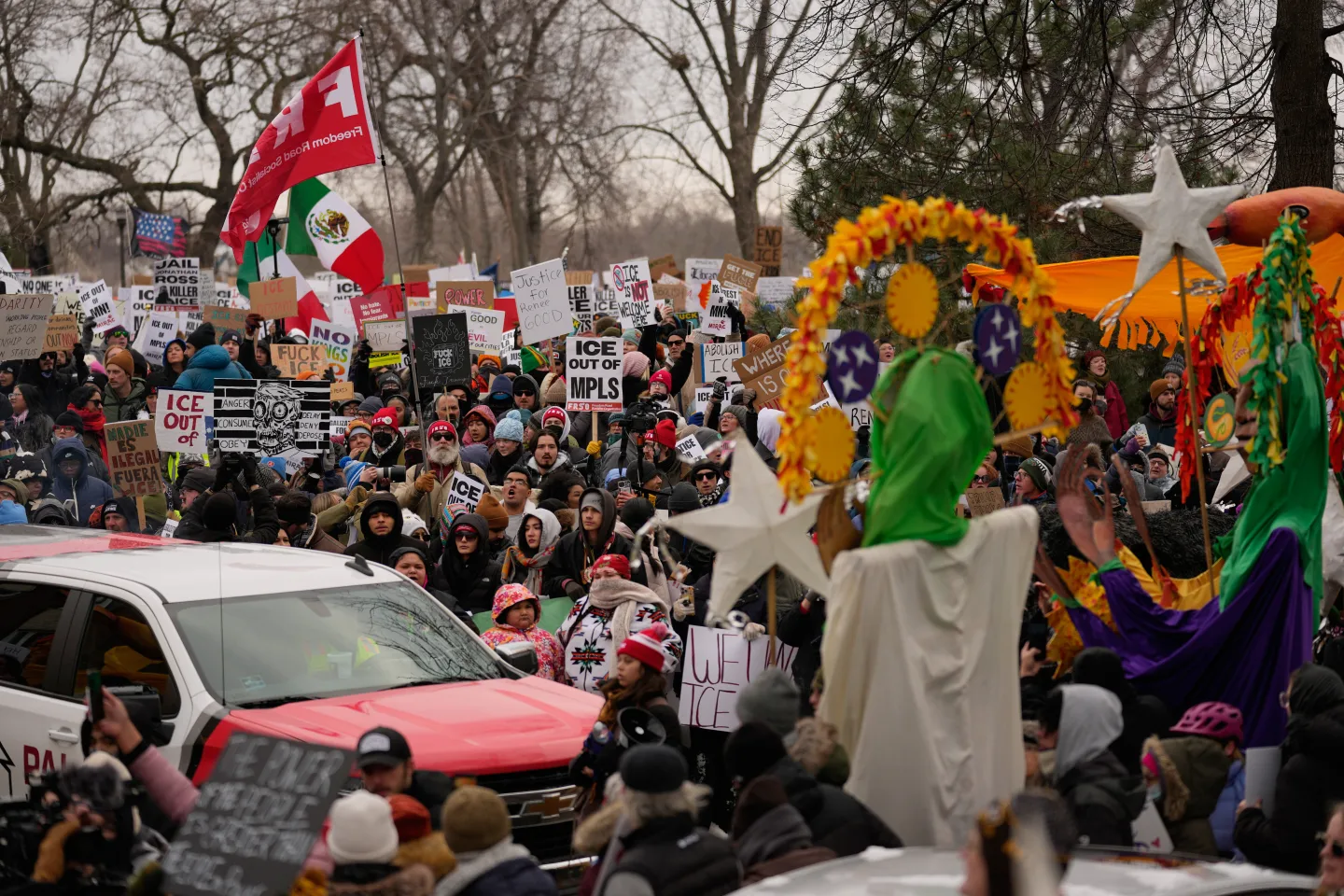
In light of the incident, protests erupted nationally over the weekend, with many demonstrators gathering in Minneapolis. Mayor Frey reiterated his belief that video evidence portrays federal agents as abusing their authority, stating, Let’s have the investigation in the hands of someone that isn’t biased. The discontent further escalated as demonstrators challenged the broader implications of ICE's operational tactics.
As the fallout continues from both the Minneapolis shooting and additional events involving federal agents in Portland, the calls for an unbiased and transparent investigation only grow stronger, highlighting the contentious interplay between local and federal jurisdictions, especially in matters concerning immigration enforcement.