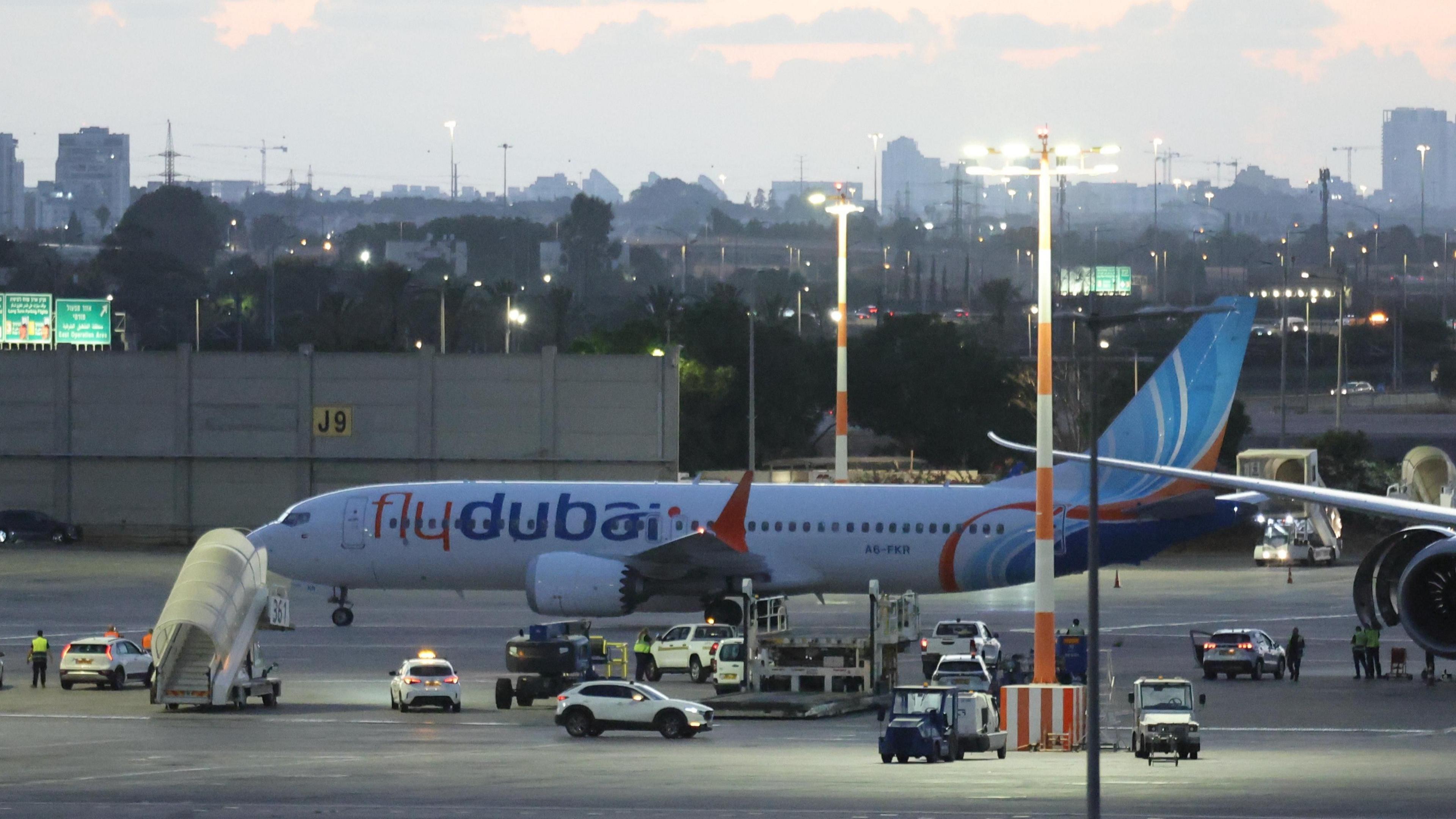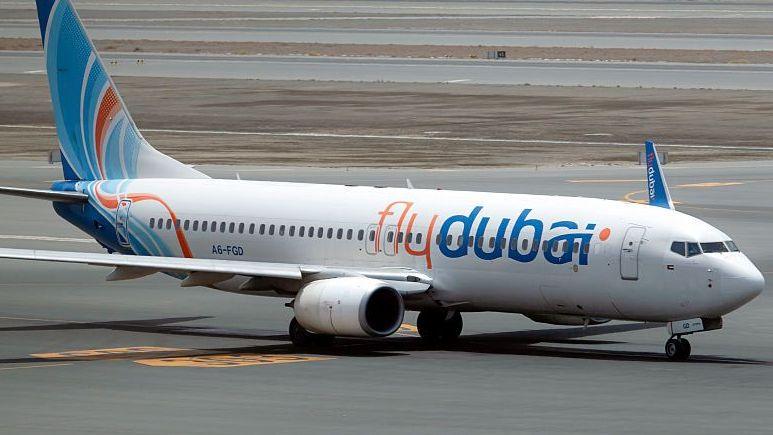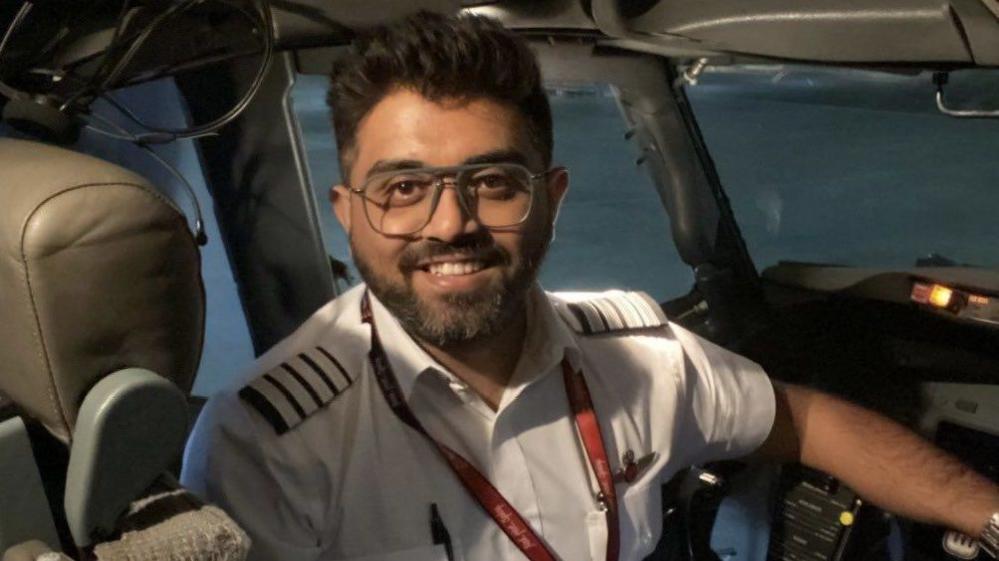
Flydubai’s latest security scare unfolded in the early hours of Thursday morning when a co‑pilot on a flight from Dubai to Tel Aviv used a crash axe to strike the captain, Captain Smit Machchhar. The attack occurred roughly two and a half hours into the 17,000‑foot flight, but the crew and passengers were able to overpower the assailant, and the aircraft landed safely in Abu Dhabi.
The United Arab Emirates prosecutor’s office stated that the Omani national, alleged co‑pilot, was acting to seize control of the aircraft. In a brief statement, the UAE attorney‑general said investigations were underway to establish the full circumstances and potential links to terrorism.
According to Israeli Prime Minister Benjamin Netanyahu, the attacker, while subdued, shouted “Kill me, kill me!” and “It looks very likely he wanted to bring the plane down.” He also alleged that the assailant had been “underwent Islamist radical indoctrination.” United Nations and regional security experts weigh in on the potential threat of radicalised staff in aviation.
For those unfamiliar, a crash axe is a standard tool kept in aircraft cockpits for use during emergencies, such as striking a seatbelt during a mid‑air collision or severe impact. Its use in this context highlights a breach of cockpit security protocols.
Captain Machchhar was promptly taken to a local hospital, then airlifted to Abu Dhabi, where medical teams reported him in “stable condition.” The Indian embassy in the UAE praised his “immense courage” and offered continued support, pledging a full medical and legal follow‑up for all affected crew members.
In the wake of the incident, airlines and regulators are re‑examining cockpit safety, crew vetting procedures, and the placement of emergency tools. The incident has also sparked debate over the balance between passenger liberty to carry certain tools and the imperative to prevent them from being used maliciously.
As investigations proceed, the international community watches closely, aware that such incidents, though rare, underscore evolving security challenges in global air travel.