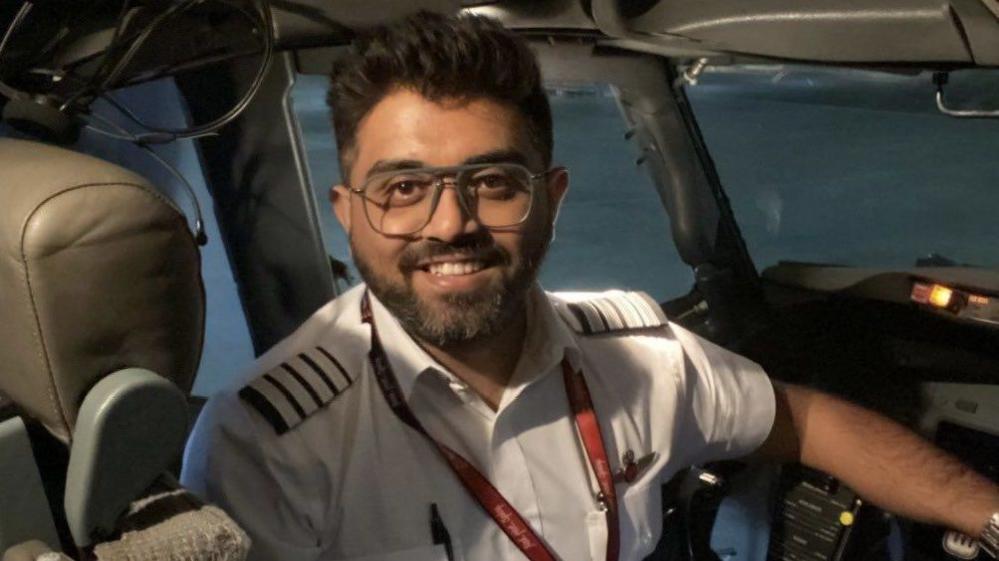
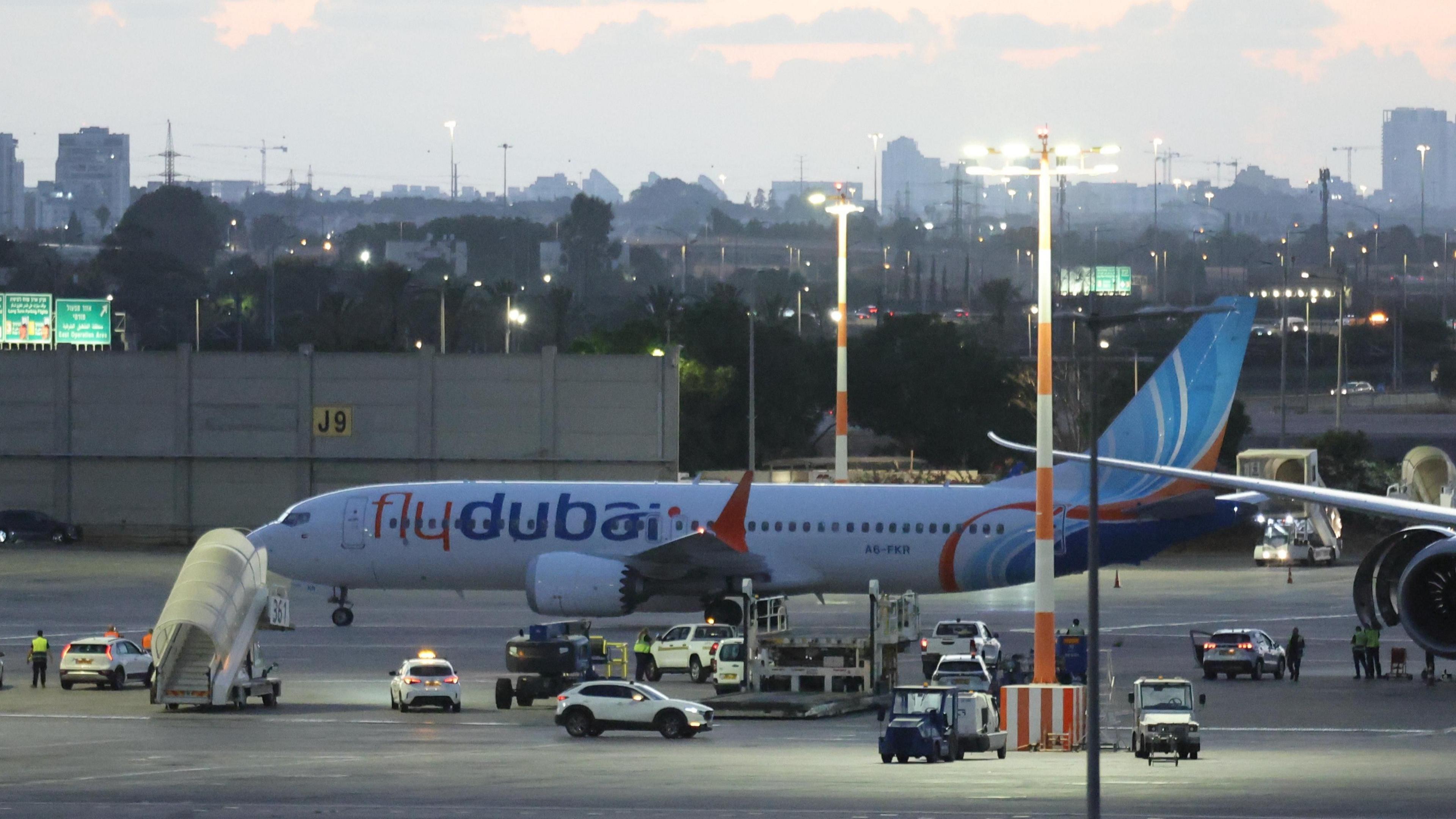
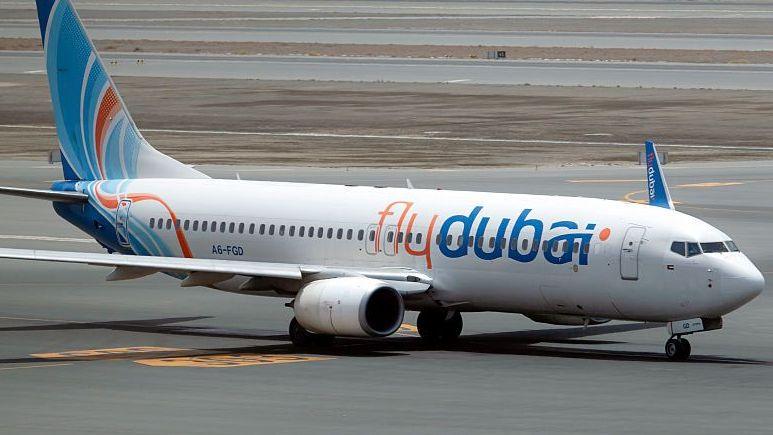
On a Flydubai flight from Dubai to Tel Aviv the cabin was seized by a startling and violent act. One pilot attacked the other with a knife, the aircraft then plummeted more than 17,000 feet in less than two minutes before passengers overpowered the assailant and took control of the aircraft.
A passenger, Adam Polovincik, recounted how he hugged his six‑year‑old son and three‑year‑old daughter “really hard” and tried to stay calm for the children as the terror unfolded. He praised the stabbed pilot and the brave passengers who fought the attacker, calling them “true heroes.”
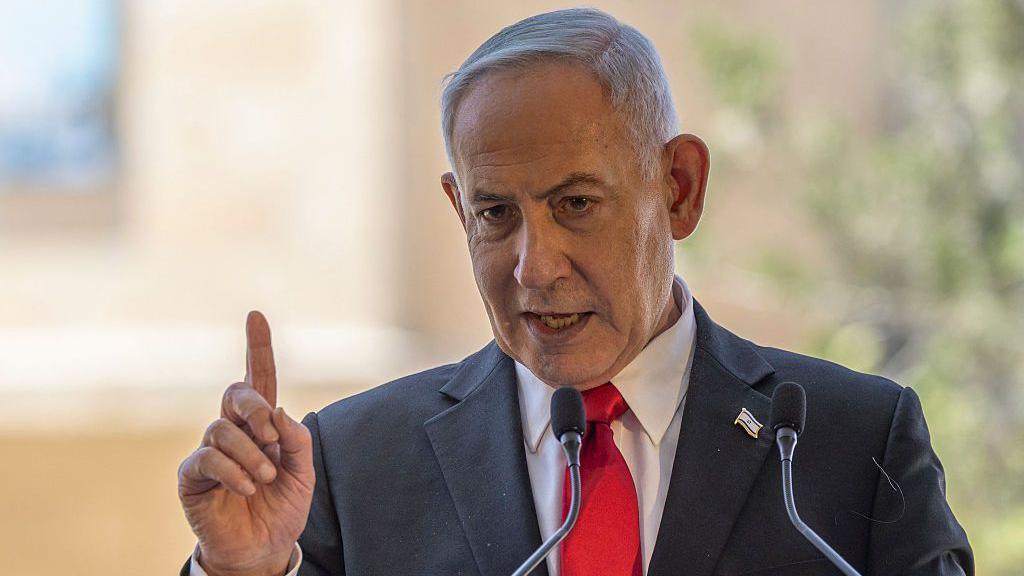
The wounded pilot was taken to hospital and is stable; the attacker has been arrested and is expected to be transferred to the United Arab Emirates. Israeli Prime Minister Benjamin Netanyahu said it was too early to attribute the act to Iran, noting instead that the attacker had undergone “Islamist radical indoctrination.”
Polovincik was seated in aisle 13 and had just returned from a holiday in Singapore and Thailand with his wife and kids. He described the initial panic and the sharp decrease in altitude, adding that many the passengers on board were families, as the flight occurred near the end of a Jewish holiday period.
After about 15 minutes a cockpit crew member told the cabin that the situation was “under control,” but the chaos inside the aircraft continued until two other pilots on board could command the aircraft to land safely. The plane was diverted to Saudi Arabia where the passengers were treated well, receiving water, food and sweets for the children, surprisingly despite the lack of a formal diplomatic relationship with Israel.
The incident has sparked widespread discussion over the safety of commercial flights in the Middle East, the role of passengers in emergencies, and the potential links of such attackers to extremist ideological indoctrination. The recovery of the passengers and crew continues, while the world watches how security procedures may evolve in response to this chilling event.