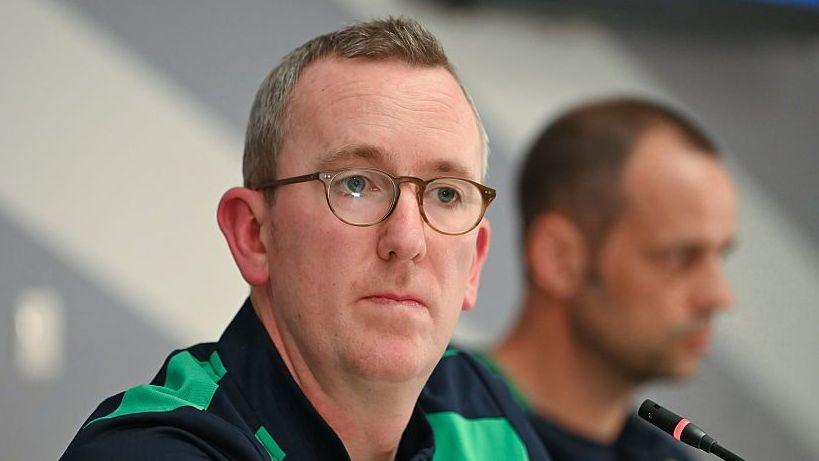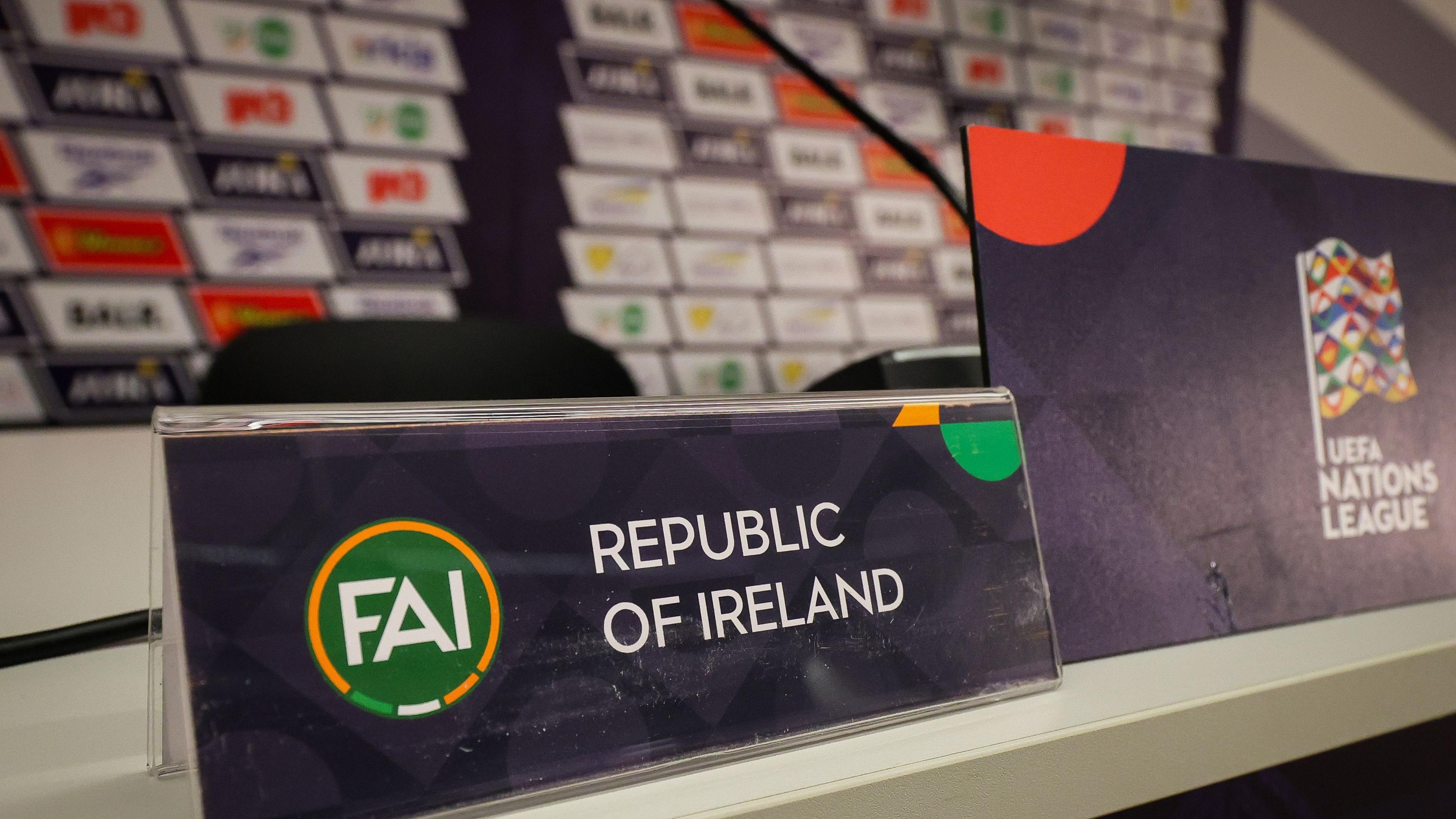
The Republic of Ireland’s first press briefing for their upcoming Nations League match against Israel at Debrecen was postponed, days before the game, raising questions about whether the fixture should take place at all.
UFA officials had arranged for the team, coached by Heimir Hallgrimsson, to speak to the media at 09:15 BST that morning, but a re‑addressed call for a boycott called the meeting into doubt. The Football Association announced the delay, but did not give a replacement time, and the training session that was next on the agenda was also postponed with no new timetable.
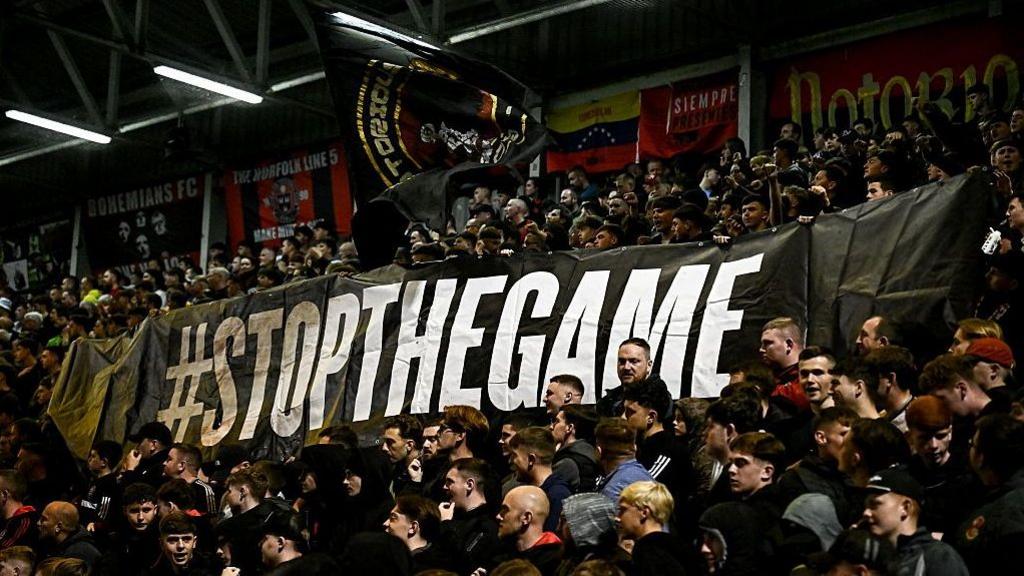
The call to boycott the match has come from the pressure group Irish Sport for Palestine, under the “Stop The Game” campaign, citing the ongoing Israel‑Gaza war that began after Hamas’ attack in October 2023. The campaign has drawn backing from former manager Brian Kerr and former international James McClean, who signalled they would not support the fixture.
Shares of the topic have also spread within the squad. Former Republic of Ireland captain Jason Knight—who had spoken after a defeat to Kosovo the week earlier—said he was unsure whether the match should proceed, while winger Chiedozie Ogbene urged fans not to add extra pressure on the players. At least one squad member has reportedly expressed a wish to withdraw from the team.
The debate is mirroring a wider clash between sporting tradition and political protest. While some Irish supporters believe the match should be played with full attendance, others think holding it could be seen as endorsing the policies of the Israeli government during a period of intense violence in Gaza.
Officials say that once UEFA gives an official answer on whether the match will be played or cancelled, the team will confirm a new schedule for any media sessions. Until then, the situation remains uncertain, reflecting how international sport increasingly confronts political and humanitarian concerns.