Barcelona’s famed La Merce festival, traditionally a showcase of Catalan folk culture, welcomed a troupe of Chinese performers for the first time, featuring dragon dancers and acrobats who dazzled onlookers in a display that felt almost like a flag‑raising ceremony for Beijing’s soft‑power ambitions.
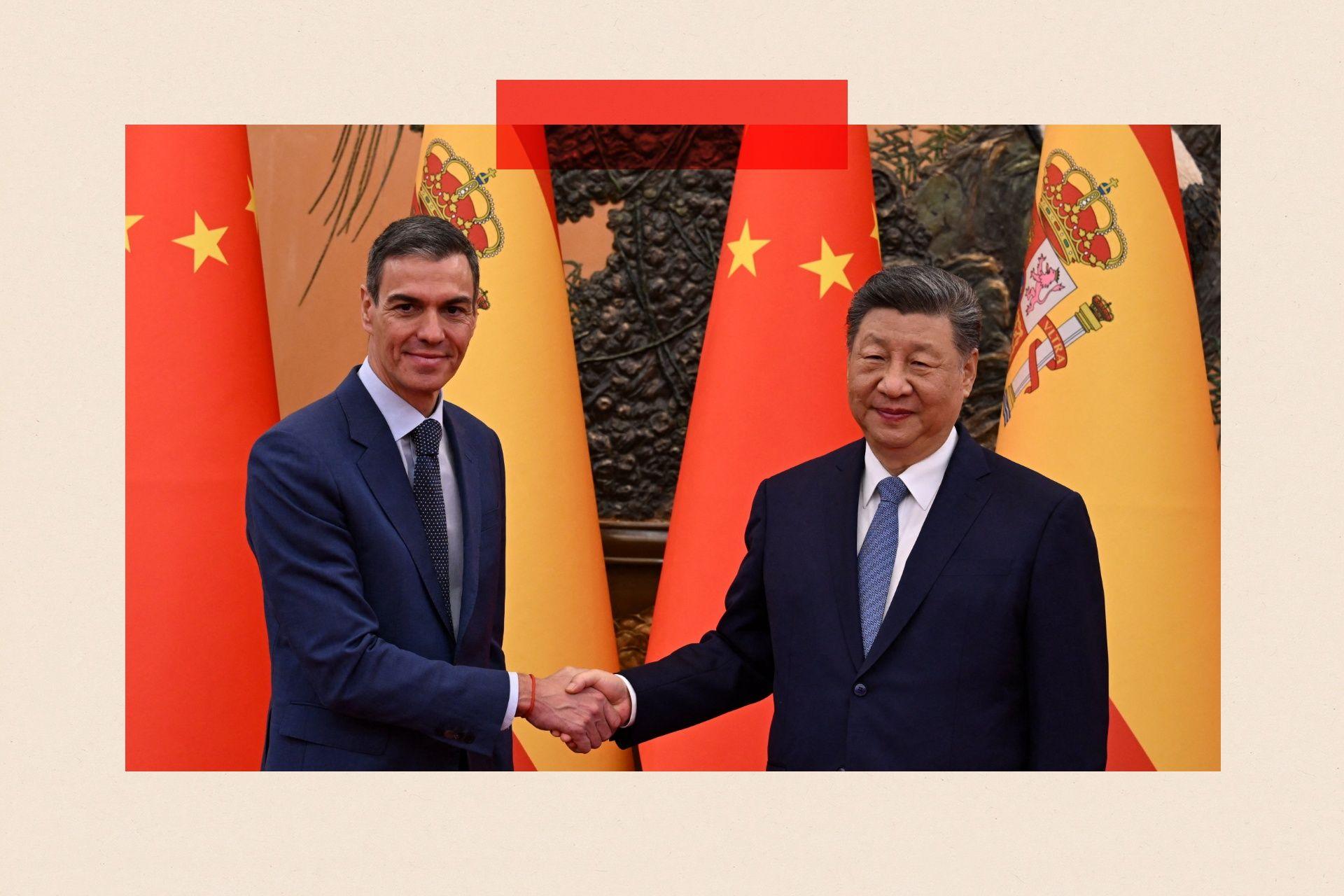
Shanghai Vice‑Mayor Lu Shan flew to the city for the opening, telling reporters that while Catalan and Chinese traditions look very different, they share a “common spirit” that transcends national boundaries. His visit was accompanied by a photo‑stop with Prime Minister Pedro Sánchez, who has met President Xi Jinping on four consecutive occasions.
Sánchez’s hands‑on approach to China contrasts sharply with the stance of the EU’s largest states. Germany, France and Poland are now calling for a tougher policy toward subsidised Chinese goods, citing trade deficits that officials say amount to €1 billion a day. They warn that increased Chinese presence in Spain could erode the unity of the single market and threaten collective security.
The debate is amplified by concrete investment flows: Chinese firms are building battery gigafactories in Zaragoza and Navarra, while the former Spanish manufacturer Ebro is being revitalised by Chery Automobile’s local plant in Barcelona. In 2024, Chinese investment in Spain surpassed U‑S investment for the first time, a trend that sparked a Pew Research poll showing 54 % of Spaniards with a favourable view of China versus only 30 % that view the United States positively.
Security concerns are also mounting. In 2023 Spain awarded a €12.3 million contract to Huawei to store and manage courtwire‑tap data, raising alarms among European Parliament members about a potential spill‑over of data exposure across the bloc. Another flashpoint involved Chinese wind‑turbine maker Ming Yang, whose plans to open a facility in the United Kingdom were blocked on national‑security grounds after protests sparked by its ties to China.

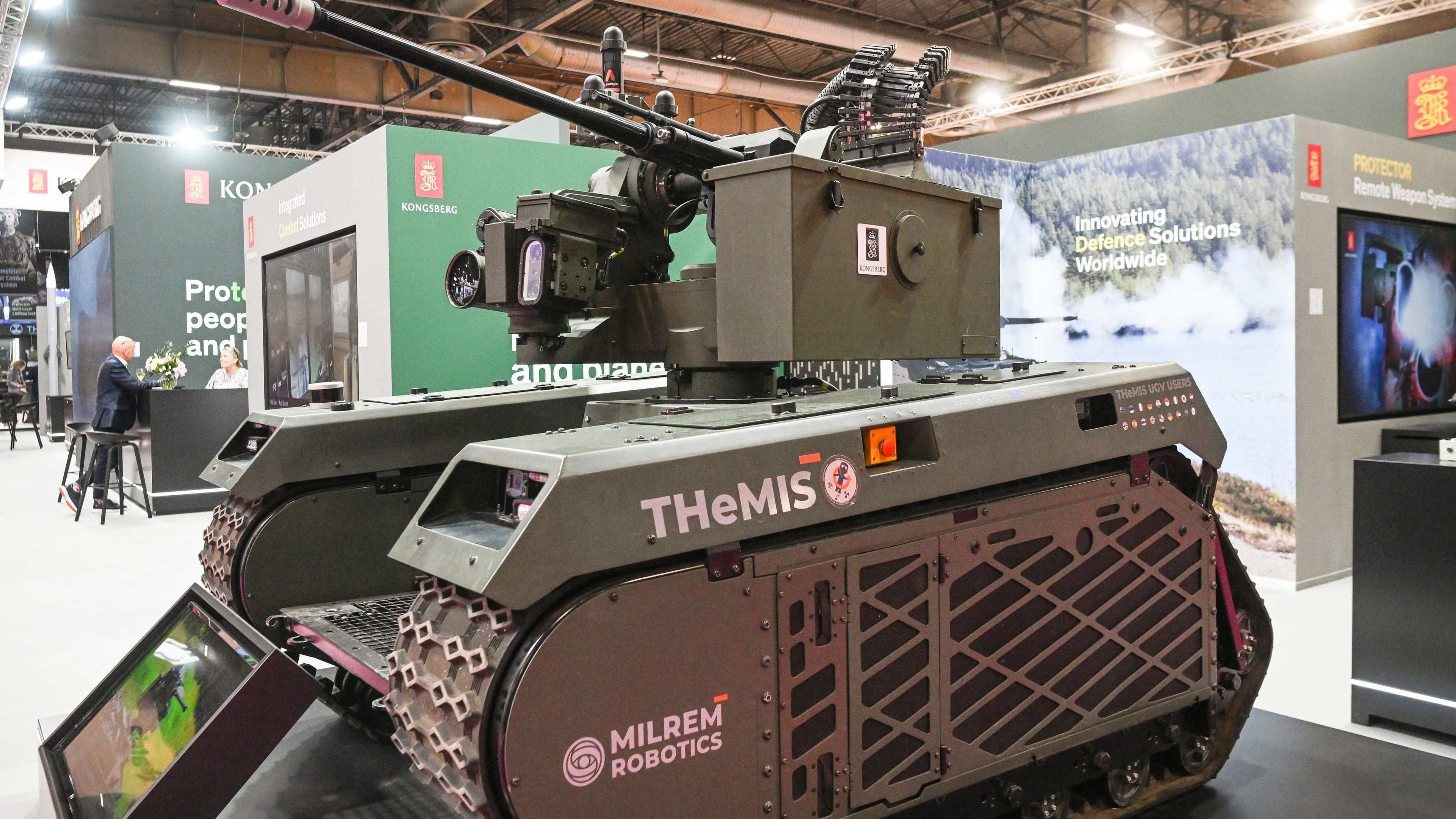
Beyond Spain, other EU members are seeking new security and economic partners. Finland has turned to Israel for advanced weapons systems after fears that the U.S. might not respond swiftly to a Russian attack. Greece signed a large defence export deal with Israel’s “Achilles Shield” programme to counter Turkish threats. Both countries emphasize the need to preserve a European collective voice while protecting national interests.
The current tug‑of‑war raises a larger question: can the EU hold the line on a unified stance toward China, Russia and security policy, or will the bloc fragment into smaller, more aligned groups?