An annual cigar festival in Cuban capital Havana has become the latest casualty of a fuel shortage caused by a US oil blockade.
The organising committee of the Festival del Habano announced on Saturday that this year's event - which was due to take place over five days in late February - would be postponed until further notice.
It said the decision was motivated by the complex economic situation facing Cuba due to the economic, commercial and financial blockade by the US.
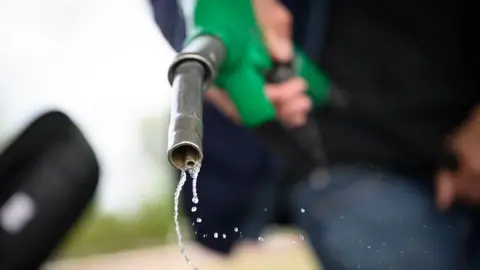
A fuel shortage causing power cuts on the Caribbean island has been worsened by the US seizing oil shipments from Cuba's long-standing ally Venezuela.
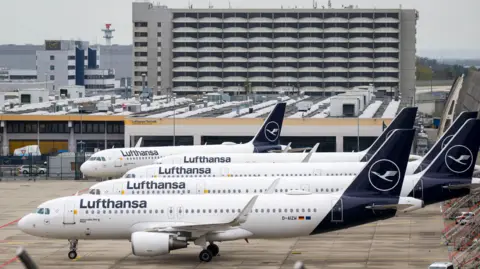
Cuba also has a shortage of aviation fuel, leading several airlines to suspend services there, while some countries, including the UK, have warned against non-essential travel to the island.
Cuban cigars are regarded as among the finest in the world, but are illegal in the US due to long-standing American trade embargoes.
More than 1,300 people from around 70 countries are estimated to attend the Habano Festival each year to sample cigars from Cuba's producers, as well as visit tobacco plantations and factories.
With international tourism to the island nation limited by the US embargo, the festival's organisers said they hoped to wait until conditions had improved.
The organising committee said it was working on setting a new date, which has yet to be announced.
The priority of the Habano Festival is to offer its participants a comprehensive experience at the height of the relevance and prestige that this event represents internationally, it said.
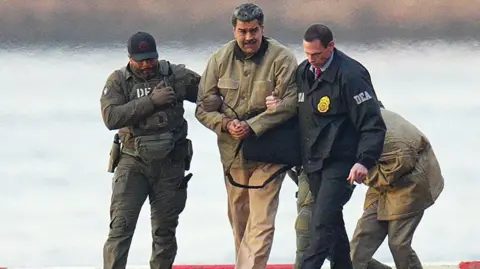
Venezuela was previously believed to have sent around 35,000 barrels of oil a day to Cuba before the US military seized former president Nicolás Maduro on 3 January.
Power cuts lasting up to 18 hours a day have since affected hospital emergency wards, dialysis patients and pumping stations.
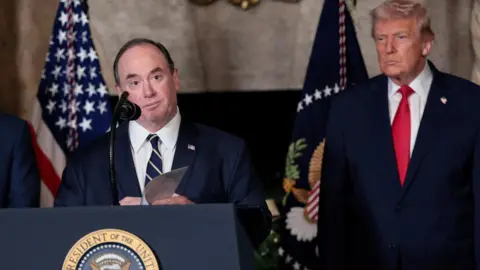
US President Donald Trump has urged Cuban leaders to make a deal or face unspecified consequences.
UN human rights experts have described Washington's restrictions on Cuba's oil imports as an extreme form of unilateral economic coercion.
The US and Cuba have had a strained relationship since the communist Fidel Castro overthrew a US-backed government in 1959. US economic and trade embargoes on Cuba have been in place since 1960.
While steps were taken to improve diplomatic relations, particularly under former US President Barack Obama, the Trump administration has reversed many of these moves.