China has called the US naval blockade of Iranian ports irresponsible and dangerous.
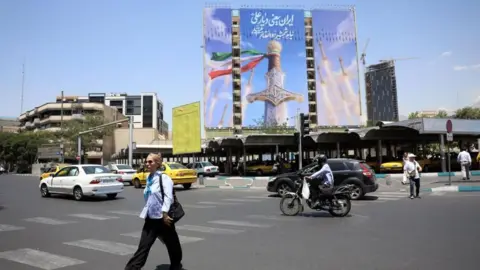
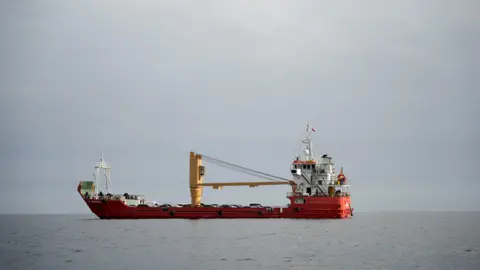
Beijing's foreign ministry said the move would undermine the already fragile ceasefire agreement and further jeopardize the safety of ships passing through the Strait of Hormuz, a critical waterway Iran effectively closed in response to US-Israeli strikes.
The blockade came into force on Monday, a day after peace talks between the US and Iran broke down in Pakistan.
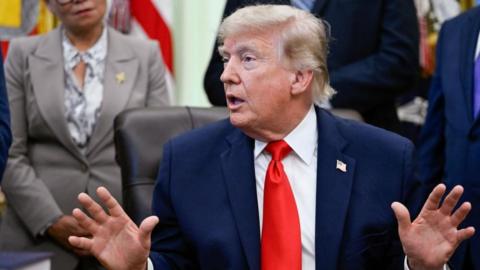
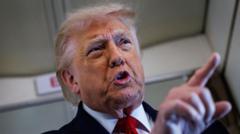
US President Donald Trump stated that the blockade is intended to compel Iran to abandon its nuclear ambitions. Analysts suggest this measure is also designed to exert pressure on China, the largest purchaser of Iranian oil, to persuade Tehran to reopen the strait.
Iran's ambassador to the UN has described the US blockade as a grave violation of Tehran's sovereignty.
Chinese vessels have previously navigated through the strait, with unclear arrangements regarding toll payments to Iran.
The blockade by the US could potentially disrupt China's oil supply, posing significant economic implications.
China believes the resolution lies in achieving a comprehensive ceasefire and ending the war, calling on all parties to adhere to ceasefire agreements, focus on diplomatic dialogue, and work towards normalizing traffic in the strait.
Despite the blockade, recent reports indicate that some Iran-linked ships have managed to cross the strait, amidst falling oil prices and ongoing concerns regarding the fragile ceasefire that was initiated on April 8.
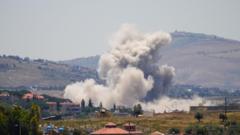
Major disputes include the control over the Strait of Hormuz and the role of Lebanon in peace arrangements, as Israel continues its military operations against Hezbollah, pressing for further discussions.