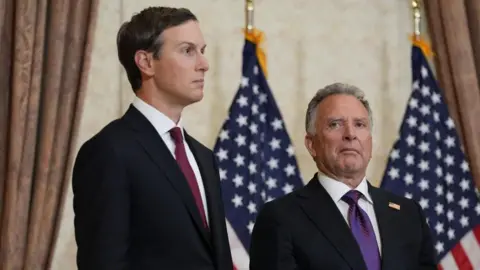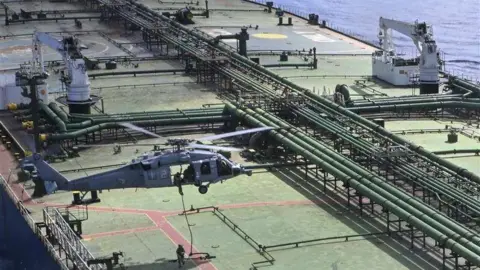
After a diplomatic team led by Vice-President JD Vance attempted, but failed, to reach a negotiated agreement to end the US war with Iran, President Donald Trump was faced with a decision on his next course of action. On Sunday, following the failed negotiations, Trump took to Truth Social to announce a naval blockade of Iran, declaring, No one who pays an illegal toll will have safe passage on the high seas.
In his posts, he articulated that the US would continue clearing mines from the Strait of Hormuz to ensure safe passage for allied shipping, while reiterating that the US military was locked and loaded to resume attacks on Iran at an appropriate moment. Despite some progress noted in negotiations, he lamented that Iran refused to abandon its nuclear ambitions.
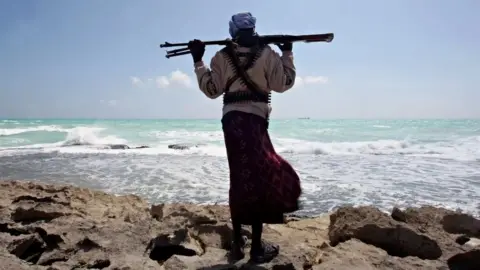
The implications of Trump’s announcement raise numerous concerns. Questions arise regarding the risks to US naval vessels amidst mine-clearing efforts, how the US would enforce the blockade on foreign-flagged ships, and potential retaliatory actions from nations reliant on Iranian oil, particularly China. The blockade aims to choke off Iran’s income stream, which may inadvertently lead to higher global oil prices.
Differing political viewpoints arise on the blockade strategy. Democrats, such as Senator Mark Warner, expressed skepticism, questioning the efficacy of the blockade in persuading Iran to negotiate. Conversely, Republican Mike Turner called for broader international involvement, asserting that the issue should not solely rest on the US.
The backdrop is a waning two-week ceasefire, and the ongoing Iran conflict continues to escalate without clear resolutions. Trump’s actions and their downstream effects present a volatile scenario for U.S. foreign policy.
As negotiations falter, Trump's comments suggest a gamble that the US economy can withstand the pressures from rising oil prices while projecting an image of strength. However, with midterm elections approaching, there is a palpable risk for his party should the situation deteriorate.