Hezbollah's Influence Stands as Lebanon Pursues Peace
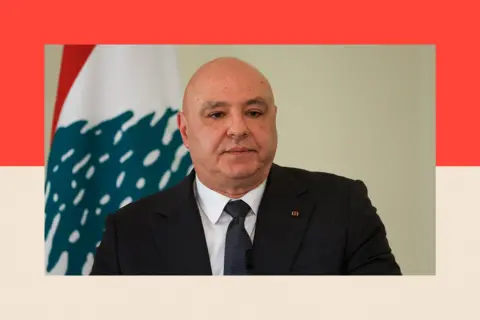
With Lebanon engulfed in conflict once more, President Joseph Aoun's aspiration for peace contrasts starkly against the might of Hezbollah, a significant political and military force in the country. Aoun aims to negotiate an arrangement with Israel, a country with which Lebanon does not maintain diplomatic relations. However, Hezbollah, which perceives itself as the defender against Israeli aggression, remains unyielding in its stance regarding its military assets.
The backdrop of this tension includes a fragile ceasefire established after intense clashes between Hezbollah and Israel. President Aoun's strategy includes disarming Hezbollah, a task that seems daunting given the group's deep roots in Lebanese society, particularly among Shia communities, where it is viewed as a protector against external threats.
Historically, Hezbollah has thrived on the narrative of resistance against Israel, often bolstered by financial and military support from Iran. Since the group's emergence in the 1980s amid Israel's occupation, it has established itself not only as a military entity but also as a significant political player, holding seats in parliament and providing social services.
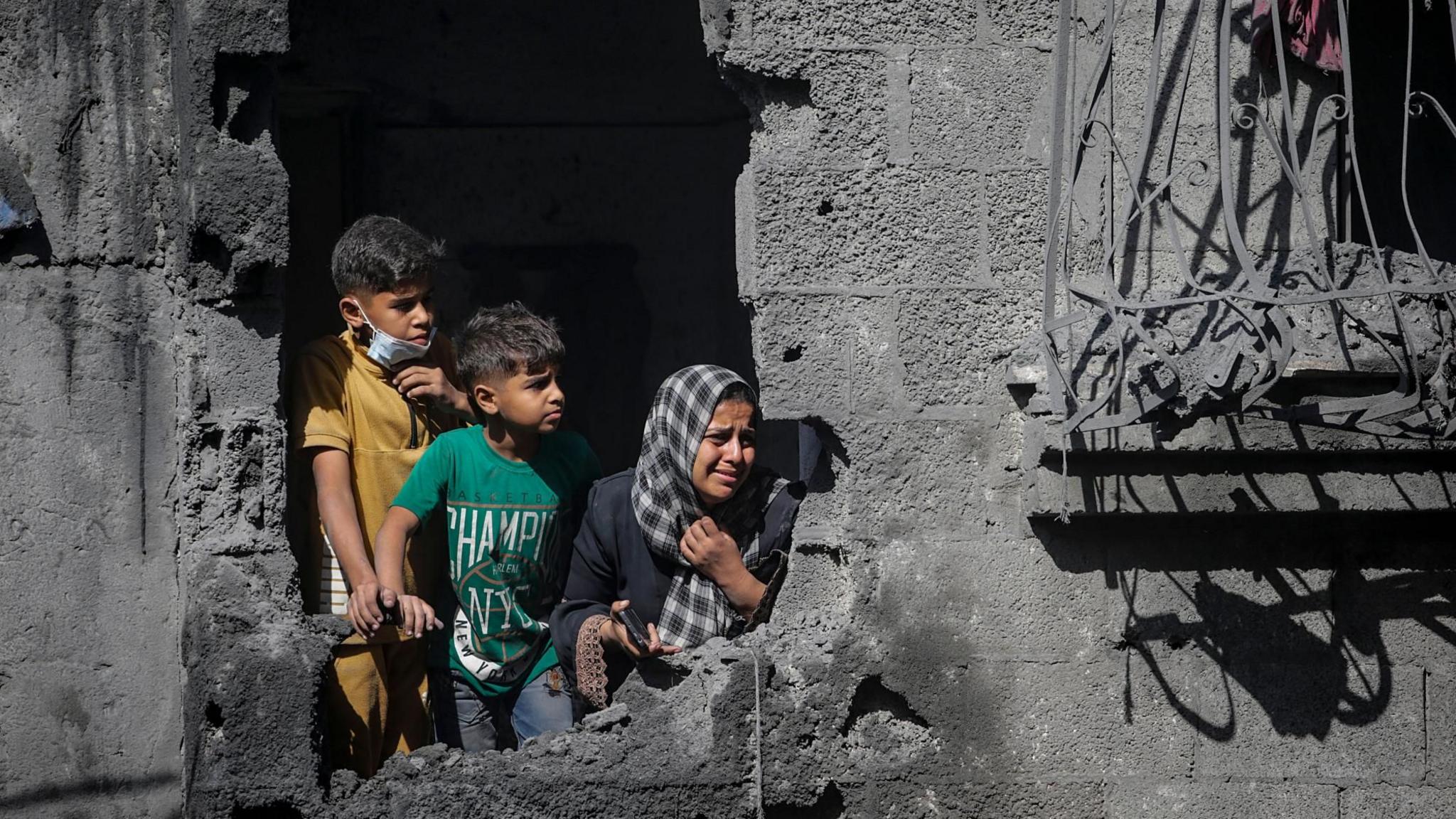
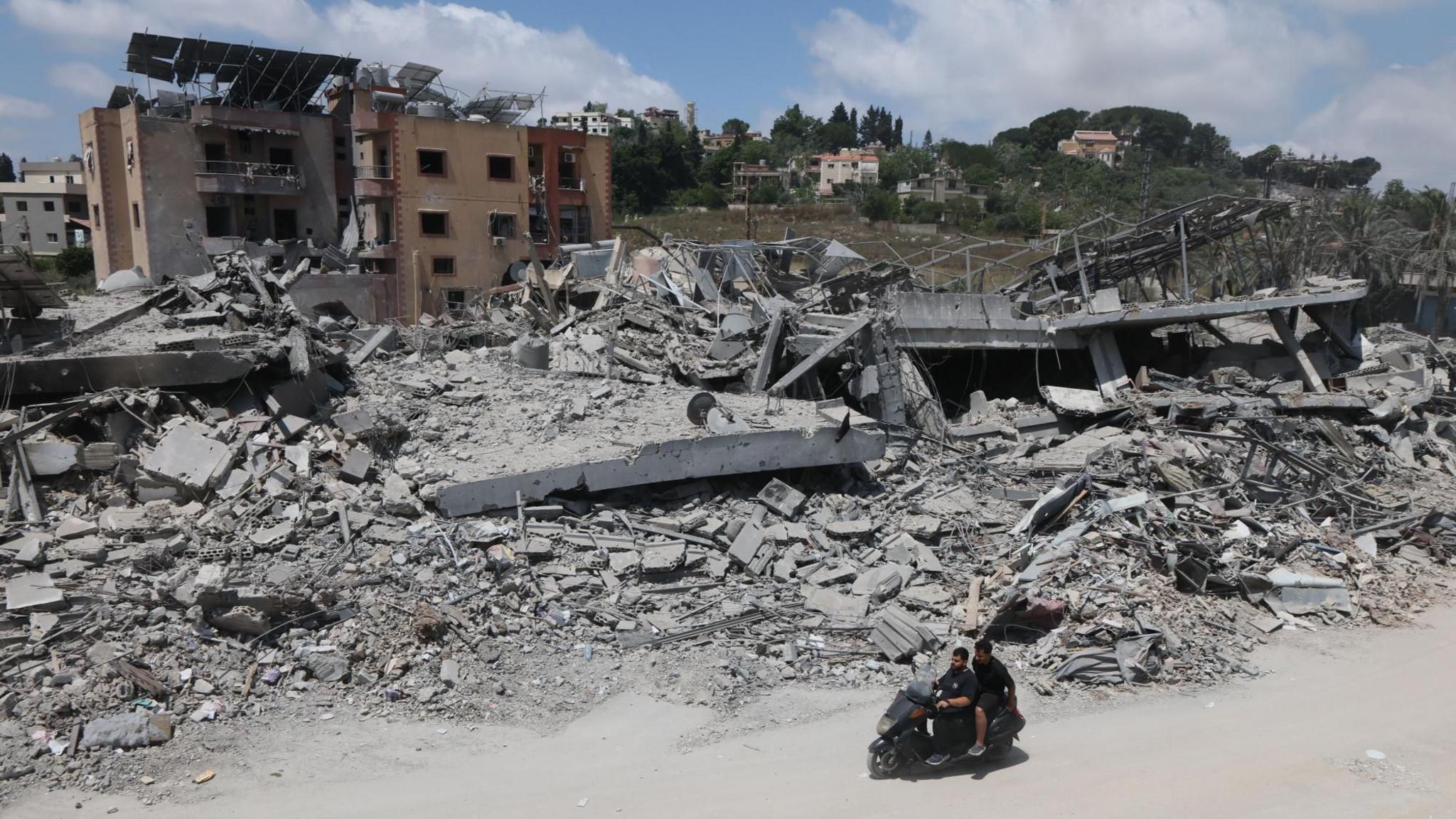
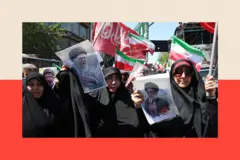
Current events have escalated tensions, especially following the assassination of Iran's supreme leader, which provoked retaliatory strikes by Hezbollah into Israeli territory. In light of Israeli airstrikes that have caused extensive civilian casualties, Aoun's direct offer to negotiate with Israel has yet to bear fruitful dialogue.
Domestic sentiment is increasingly polarized. Many Lebanese, particularly from Christian and Sunni backgrounds, lean towards disarming all militias, including Hezbollah. In contrast, substantial support among Shia populations for retaining Hezbollah's armament persists, highlighting the sectarian divides that complicate national consensus on peace.
Analysts suggest that discussions regarding disarmament and future peace negotiations are likely influenced by Tehran rather than Beirut, as Hezbollah's loyalty to Iranian interests often supersedes local political dynamics. As Lebanese society remains anxious and divided, the path towards sustainable peace appears fraught with challenges.
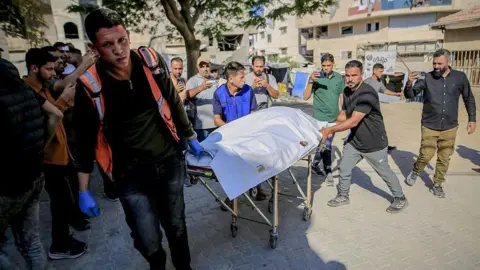
The ongoing situation continues to devastate communities in Lebanon, leaving over 1.2 million displaced as conflicts flare up. The overarching narrative remains one of resistance, as Hezbollah argues that giving up its arms would leave its community vulnerable to repeated aggression. As the nation weathers yet another cycle of violence, the fundamental question remains: can meaningful peace be achieved without addressing the significant power held by Hezbollah?