In brief
Senegal’s Dakar 2026 Youth Olympic Games opened with a jubilant ceremony, marking the first time the Olympic rings have appeared on African soil. Thirteen cities will stage competitions for 2,700 athletes aged 15 to 17 across 25 sports, including new events like Baseball5, skateboarding and Wushu Taolu. The organisers aim to leave a lasting legacy by upgrading existing venues and training hundreds of locals in event operations. Cultural celebrations—from the lion mascot Ayo to a national anthem in Wolof—underscore the Games’ role in promoting African heritage and unity. With a promised investment of over $60 million, Dakar 2026 hopes to inspire future champions while delivering significant regional benefits.
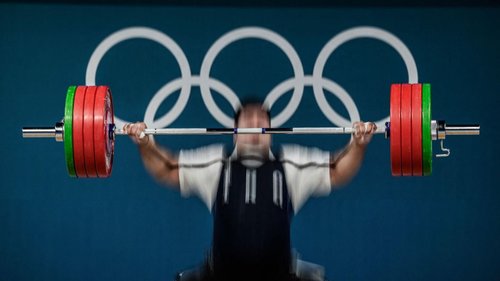
Saturday 31 October marked a historic moment as the Olympic rings were raised for the first time on African soil, with Senegal hosting the Youth Olympic Games. The event will unfold over 15 days, concluding on 13 November, and sees 2,700 young athletes from across the globe competing in 25 sports.
Across Dakar, Diamniadio, and Saly, the Games will feature 153 medal‑contending events and an additional ten engagement sports where no medals are awarded, aimed at boosting local participation.
What are the Youth Olympics?
The Youth Olympics, created by the International Olympic Committee, are designed for athletes aged 15‑17. They blend Olympic traditions—such as mixed‑gender competitions and cultural exchanges—with newer sports and a focus on education, sustainability and community outreach.
Previous editions in Singapore (2010), Nanjing (2014) and Buenos Aires (2018) have produced future senior Olympians like Chad le Clos and Noah Lyles, illustrating the platform’s potency for talent development.
Why is it big news for Africa?
For Africa, hosting a full Youth Olympic Games with the Olympic rings is unprecedented. IOC official Christophe Dubi called it "monumental" for the continent, noting that it elevates Africa within the Olympic movement and showcases local capabilities.
Deputy COO Thierno Cisse emphasised national pride: “We are ambassadors for Africa, proving that our standards match global expectations.” The Games promise immediate employment, tourism and long‑term legacy through training over 400 African youths in logistics, technology and venue management.
What sports will feature at the Youth Olympics?
New entries such as Baseball5, a simplified baseball variant; Wushu Taolu, a Chinese martial art; and beach handball, beach wrestling, futsal and coastal rowing are debuting. Classic Olympic sports—athletics, swimming, gymnastics and cycling, among others—will also be contested, ensuring a blend of familiarity and innovation.
Where will it happen?
Venues will make strategic use of existing infrastructure. In Dakar, the Iba Mar Diop complex hosts athletics, rugby sevens and futsal; the Tour de l’Oeuf waterfront area is slated for swimming, 3x3 basketball, breaking, skateboarding and Baseball5. Road cycling courses will trace the scenic Corniche Ouest.
The new city of Diamniadio will function as the operational hub, with the Abdoulaye Wade Stadium hosting the opening ceremony, archery, and later, the closing ceremony. The Dakar Arena will accommodate badminton, while the Dakar Expo Centre will stage gymnastics, fencing, table tennis, judo and Wushu Taolu.
Senegal’s Atlantic coast in Saly will provide venues for sailing, triathlon, beach handball and coastal rowing, highlighting the country’s maritime assets.
Culture behind the Games
Senegalian culture is woven into every aspect of the Games. The mascot, a young lion named Ayo—derived from a Yoruba word meaning joy—embraces local identity. Medals depict a lion and a baobab tree, symbolising Senegal’s heritage and resilience.
The official anthem, “Teranga” (the Wolof word for hospitality), performed by Mamy Mbaye, reflects the nation’s welcoming spirit. Athlete villages will host lessons in traditional sabar and djembe drumming, inviting participants to immerse themselves in local arts.
The Olympic flame, lit in Athens on 10 September, travelled 3,600 km across Senegal’s 14 regions, stopping at 30 stages before being ignited at the opening ceremony on 31 October.
Prominent ambassadors include football captain Kalidou Koulibaly, marathon legend Eliud Kipchoge—who will mentor the refugee squad—and social media star Khaby Lame.
How much is it costing?
While the organisers have not released a final figure, the Senegalese government has committed a minimum of $60 million. Additional loans are estimated at around $90 million, aimed at long‑term sports infrastructure.
The Abdoulaye Wade Stadium, opened in 2022, cost approximately $270 million. A post‑Games assessment will clarify the total investment, but organisers emphasise that the Games’ legacy will ultimately determine its success.