In brief
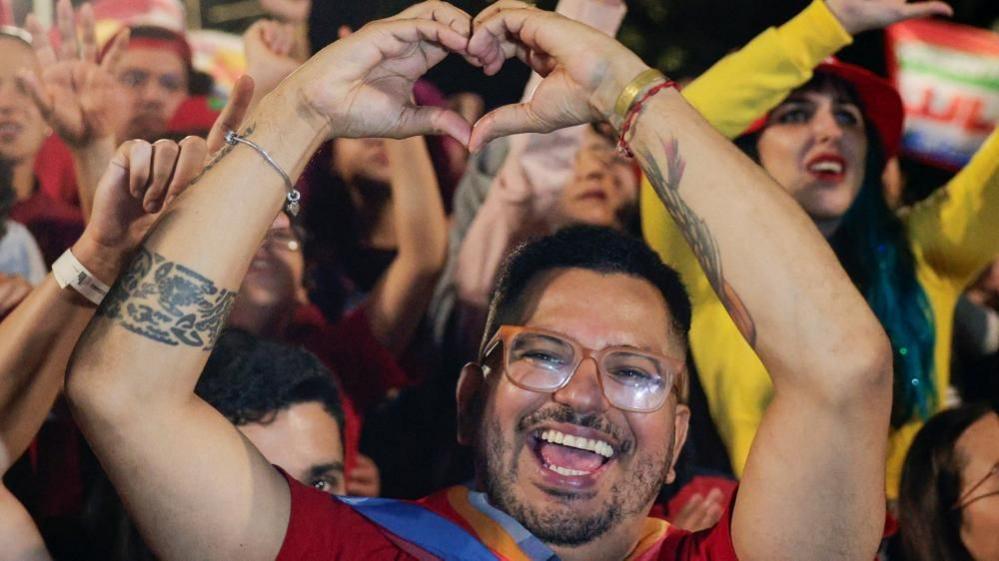
Brazil’s left‑wing leader Luiz Inácio Lula da Silva faced a looming loss to Flávio Bolsonaro, but a newly launched WhatsApp group – dubbed ‘Lula’s Army’ – grew to 10.8 million followers in under a month. Led by congressman André Janones, the group sent out ready‑made rally messages, viral hashtag pushes and daily “missions” that flooded social media and motivated voters. While political scientists argue that the comeback also hinged on on‑ground grassroots outreach, the sheer scale of the online push is regarded by allies as the decisive factor that flipped the runoff. Lula thanked Janones as “our General” in his victory speech, signalling the new power of coordinated digital mobilisation in Brazil’s politics.
A WhatsApp wave that turned a lost race into a historic comeback
Brazil’s president elect Luiz Inácio Lula da Silva went into the second round of the 2022 election trailing 12 % behind challenger Flávio Bolsonaro – a gap that many pollsters said could not be closed. In a striking last‑minute surge, a WhatsApp group called Lula’s Army swelled to 10.8 million members, generating hundreds of thousands of posts, hashtag campaigns and kinetic “missions” that flooded the app.
Conductor of the operation was congressman André Jan Junions, who began by directing supporters to share Lula’s latest campaign video, to use a new hashtag, and to recruit friends for further push‑ups. Messages ranged from “Urgent! Don’t sleep tonight!” to “If you’re not out at the booth, you’re losing a life,” creating a relentless call to action that translated into real‑world turnout.
The speed of this digital blitz helped reverse a long‑standing advantage that right‑wing networks had established since Bolsonaro’s 2018 victory, where WhatsApp and Telegram became the primary battlegrounds for political persuasion. Analysts say the surge was not purely a virtual phenomenon – the messaging campaign dovetailed with street‑level rallies and local canvassing, turning online enthusiasm into decisive votes.
In his oath‑taking address, Lula called Jan Jo Janones “our General” and pledged a new era where digital communication would guide government, hinting at the lasting influence of such coordinated campaigns. While it remains challenging to measure the exact vote swing produced by the WhatsApp flood, the event marks a watershed moment for Brazil’s political landscape, demonstrating how a rapid social‑media mobilisation can alter the odds in a packed nation‑wide race.