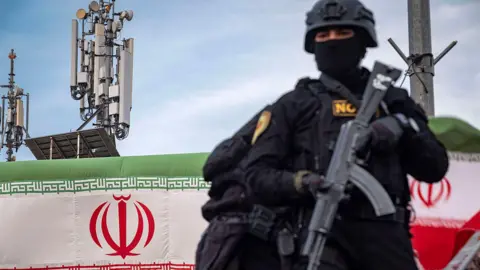
Iran is 10 days into one of the most extreme internet shutdowns in history, with 92 million citizens cut off from all internet services and even disruption to phone and text messaging.
The Iranian government cut off services on 8 January, apparently to stifle dissent and prevent international scrutiny of a government crackdown on protesters.
Iranian Foreign Minister Abbas Araghchi stated the internet was cut to curb what he termed 'externally directed terrorist operations'. Although the government has not announced a timeline for restoring services, new reports indicate that there're plans to restrict internet access permanently.
Recent statements point to a lack of expectation for a return to previous internet freedoms. Experts suggest that the regime is hastily establishing a system that would tier access to the global internet, likely requiring government approval for connectivity.
From Temporary Outage to 'Communication Black Hole'
Iran has long maintained a tight grip over the internet, blocking most Western social media platforms and websites. With VPNs, some users accessed restricted content, but the ongoing shut down raises severe concerns about human rights and freedom of expression.
Access Now has reported that previous outages were designed to conceal violence and repression during protests, indicating a steady trend of using technology to suppress dissent.
What Lies Ahead for Internet Control?
If current plans materialize, Iran may mimic censorship models utilized in Russia and China. This shift reveals a broader attempt not only to separate citizens from global internet access but also to intensify control over the virtual narratives within the country.
The impact of such restrictions on ordinary Iranians has become severe already, as businesses and communication channels suffer. Meanwhile, reports of protester casualties and arrests continue to mount amidst an atmosphere of digital silence.
Experts express concern that unless the international community intervenes, this internet blackout could evolve into a permanent state of digital isolation for Iran, paralleling the strategies seen in other authoritarian regimes worldwide.