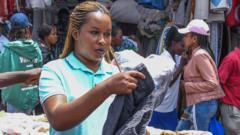
Rainwater pooled in the cracked concrete pathways of Gikomba Market in Nairobi, yet shoppers in rubber boots continued their search for affordable clothing. The Kenyan marketplace—a vast open-air maze of second-hand garments—exemplifies East Africa's enduring battle with 'mitumba' (Swahili for 'second-hand clothes'). Over 180,000 tonnes of used apparel flooded Kenya in 2022 alone, a 76% surge since 2013. This economic lifeline supports 4.9 million jobs across the region, yet its dominance threatens local manufacturers and creates environmental challenges.
The East African Community (EAC) once united against the trade. In 2015, six member states—including Kenya, Tanzania, and Uganda—planned to impose steep tariffs and eventually ban imports, only to reverse course after U.S. threats to revoke duty-free African trade privileges under the African Growth and Opportunity Act (AGOA). Rwanda stood firm, raising its import tax on used clothing from $0.20 to $2.50 per kilogram, reducing mitumba's share of garment imports from 32% to 7% within two years. Yet smugglers now bypass regulations, with Ugandan police routinely posting seized shipments on social media.
Uganda's latest move—a 30% environmental levy on used clothing—aims to 'mitigate degradation while promoting domestic production.' But traders like Aaron Sekky reject it as 'anti-free economy,' arguing mitumba sustains livelihoods. 'The supply chain supports everything from tailors who mend clothes to vendors selling snacks at markets,' he explains. Critics like Dr. Andrew Brooks of King's College London counter that retail jobs offer 'hand-to-mouth' work without fostering economic mobility.
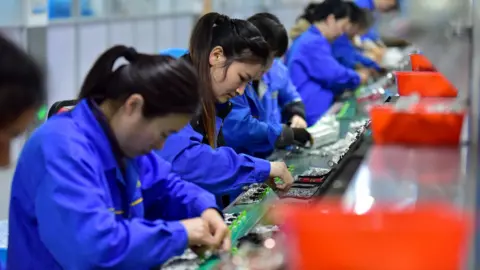
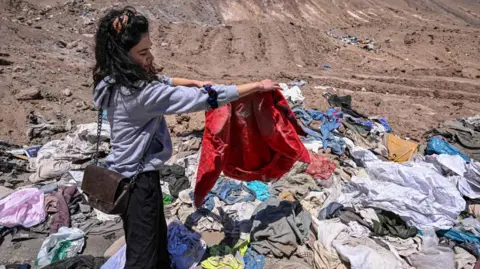
Meanwhile, environmental concerns grow. Greenpeace reports Kenya's landfill sites overflow with unusable garments, while Changing Markets Foundation estimates one in three imported items ends up as waste. Yet MCAK chairperson Teresia Wairimu Njenga defends the trade as 'champions of preservation,' questioning what would happen if new clothing production spiked to 198,000 tonnes annually. The challenge deepens as China's cheap new garments—often counterfeit designer copies—erode both mitumba and local manufacturing markets.
Designers like Zia Bett urge focus on 'storytelling and quality' rather than price, while Tanzania's Lisa Kibutu acknowledges mitumba's affordability revolution: 'When I left Kenya in the 80s, poor people had no clothing. Now even the poorest has decent clothes.' But as debates continue, East Africa grapples with a fundamental question: Can the region nurture a sustainable fashion industry without alienating communities reliant on these garments, while confronting the environmental and economic realities of global trade?}
The East African Community (EAC) once united against the trade. In 2015, six member states—including Kenya, Tanzania, and Uganda—planned to impose steep tariffs and eventually ban imports, only to reverse course after U.S. threats to revoke duty-free African trade privileges under the African Growth and Opportunity Act (AGOA). Rwanda stood firm, raising its import tax on used clothing from $0.20 to $2.50 per kilogram, reducing mitumba's share of garment imports from 32% to 7% within two years. Yet smugglers now bypass regulations, with Ugandan police routinely posting seized shipments on social media.
Uganda's latest move—a 30% environmental levy on used clothing—aims to 'mitigate degradation while promoting domestic production.' But traders like Aaron Sekky reject it as 'anti-free economy,' arguing mitumba sustains livelihoods. 'The supply chain supports everything from tailors who mend clothes to vendors selling snacks at markets,' he explains. Critics like Dr. Andrew Brooks of King's College London counter that retail jobs offer 'hand-to-mouth' work without fostering economic mobility.
Meanwhile, environmental concerns grow. Greenpeace reports Kenya's landfill sites overflow with unusable garments, while Changing Markets Foundation estimates one in three imported items ends up as waste. Yet MCAK chairperson Teresia Wairimu Njenga defends the trade as 'champions of preservation,' questioning what would happen if new clothing production spiked to 198,000 tonnes annually. The challenge deepens as China's cheap new garments—often counterfeit designer copies—erode both mitumba and local manufacturing markets.
Designers like Zia Bett urge focus on 'storytelling and quality' rather than price, while Tanzania's Lisa Kibutu acknowledges mitumba's affordability revolution: 'When I left Kenya in the 80s, poor people had no clothing. Now even the poorest has decent clothes.' But as debates continue, East Africa grapples with a fundamental question: Can the region nurture a sustainable fashion industry without alienating communities reliant on these garments, while confronting the environmental and economic realities of global trade?}