What is Ebola and why is stopping this outbreak so difficult?
An Ebola outbreak in the Democratic Republic of Congo has been declared a public health emergency of international concern by the World Health Organization (WHO). Addressing this outbreak is particularly challenging because it involves a rare strain of the virus for which there is no vaccine, compounded by the fact that the area has been affected by ongoing conflict.
What is Ebola and what are the symptoms?
Ebola is a rare but deadly disease caused by a virus, typically infecting animals like fruit bats. Human outbreaks can occur when individuals consume or come into contact with infected animals. Symptoms initially resemble those of flu, including fever, headache, and fatigue, emerging between two to 21 days post-exposure. As the illness progresses, vomiting and diarrhea may occur, leading to organ failure, and some patients may experience internal and external bleeding. The virus spreads through contact with infected bodily fluids.
Why is this Ebola outbreak different and is there a vaccine?
This particular outbreak is caused by the Bundibugyo species of Ebola, which has not appeared for over a decade. It has previously caused significant mortality rates in infections and presents unique complications for containment due to a lack of reliable testing and treatment options. While experimental vaccines are in development, no approved ones exist for Bundibugyo, leaving healthcare providers without effective preventive or therapeutic measures.
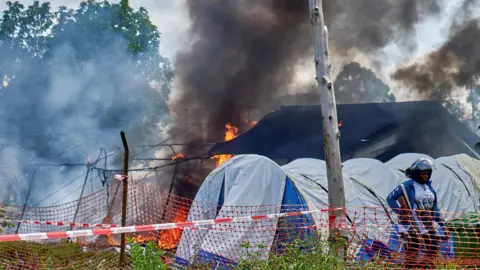
The outbreak's complexity is heightened by its occurrence in a conflict zone, where over a quarter million individuals have been displaced, complicating both treatment and monitoring efforts considerably. Despite these challenges, the WHO has publicly declared the outbreak a concern, emphasizing that the larger risk of spreading beyond East Africa remains low.
How did the outbreak start?
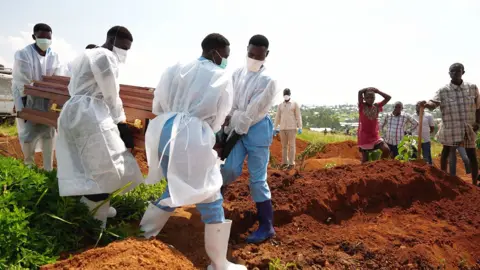
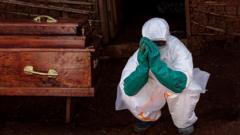
The first known infection was reported in a nurse on April 24, and the virus likely spread unnoticed for weeks. The infected nurse subsequently died, and the rapid transmission during her funeral significantly fueled the outbreak. Health officials are focusing on educating the community about proper funeral practices and hygiene to reduce further spread.
Where have cases been reported?
Confirmed cases emerged in the Ituri province, particularly in towns like Mongwalu and Bunia, with additional cases reported in the larger city of Goma. Cross-border cases in Uganda further indicate the risk of regional spread. Public health responses are being coordinated not only locally but with neighboring nations like Rwanda and Uganda to enhance control efforts.
What is being done to tackle the outbreak?
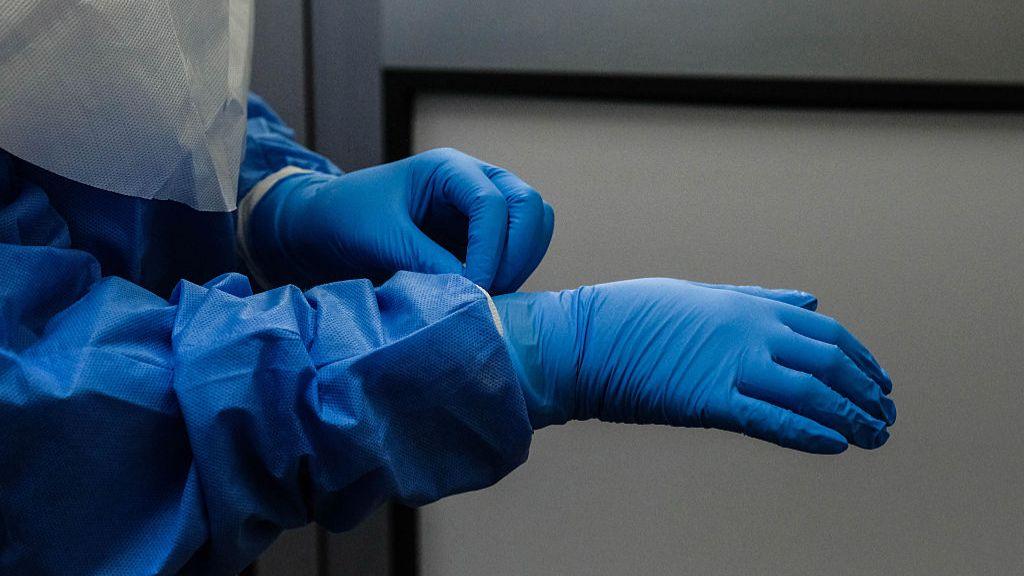
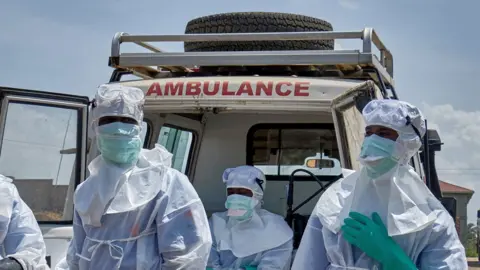
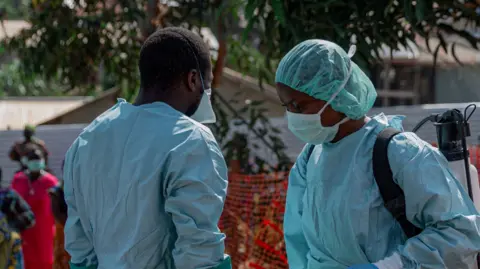
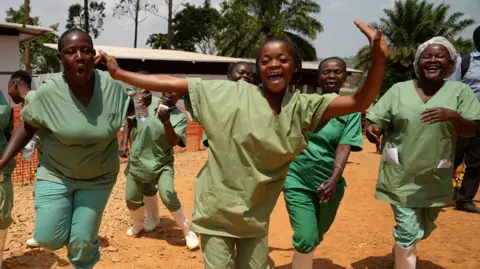
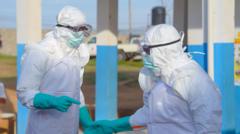
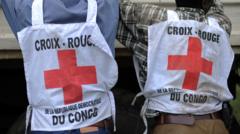
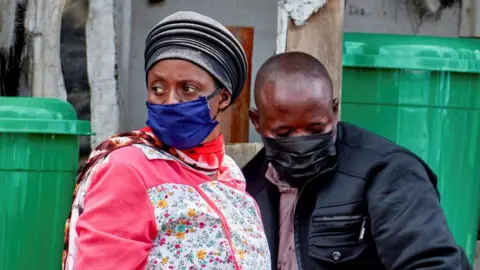
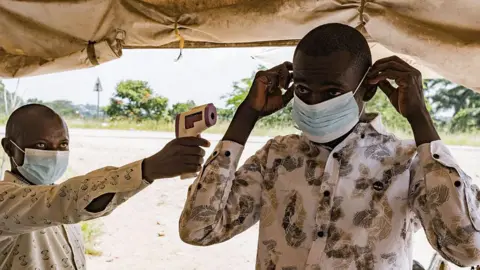
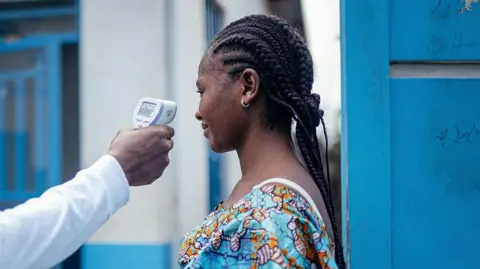
Health teams equipped with protective gear have been deployed to affected areas, supported by organizations such as Médecins Sans Frontières (MSF) and WHO, who are establishing treatment centers and response plans. Public information campaigns are crucial to educate residents on monitoring symptoms and practicing safety measures effectively in light of the outbreak. Both government and rebel authorities are coordinating responses amidst the conflict.