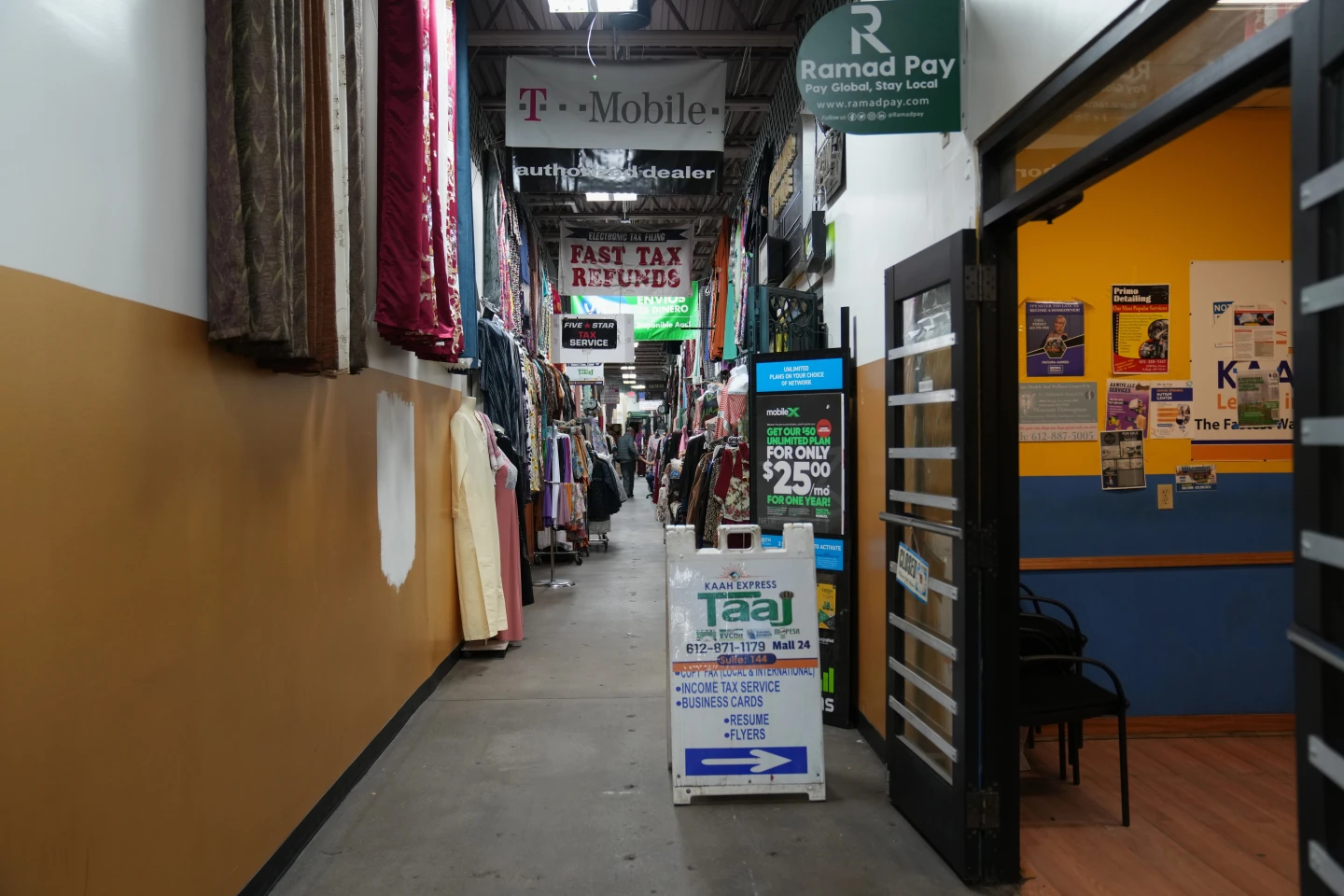
On a recent afternoon, Karmel Mall in south Minneapolis—a major commercial center for the Somali community—stood starkly quiet. Rows of shuttered businesses hinted at the ongoing fears that have gripped both citizens and non-citizens alike in the wake of intensified federal immigration enforcement.
Karmel Mall houses over a hundred small businesses that provide essential services ranging from food and clothing to financial services. Yet, on this particular day, the hustle and bustle had given way to a near silence punctuated only by the distant aromas from bakeries and the hum of central heating. The vendors, anxious and uncertain, awaited a trickle of customers that rarely arrived.
“It’s been like this for three weeks now,” said Abdi Wahid, whose family runs a convenience store within the mall. “Everywhere it’s all been closed up.” As a community center that also offers housing and services like Quran classes, Karmel Mall has become a focal point for the Somali population—the largest in the United States—making the current downturn all the more pronounced.
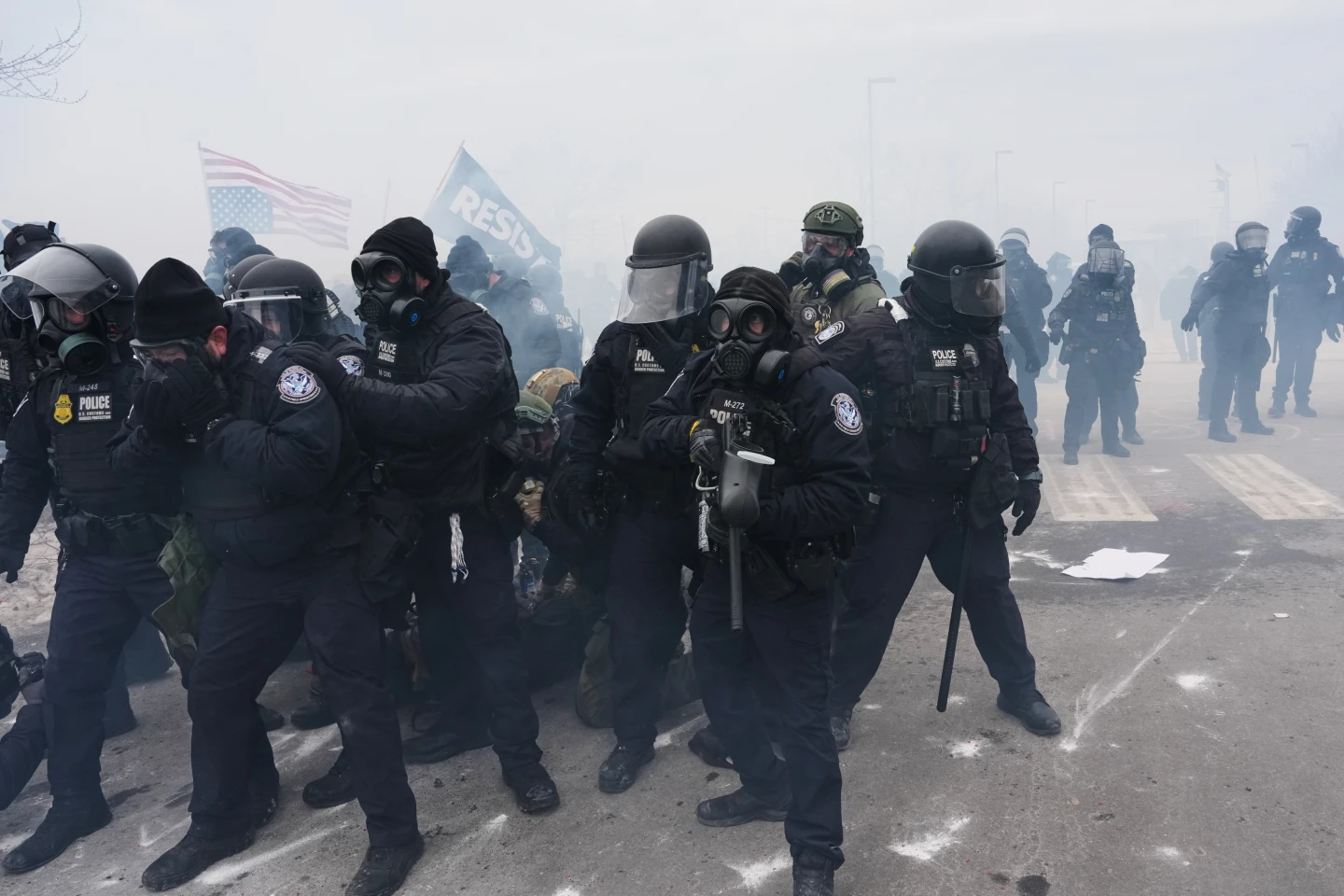
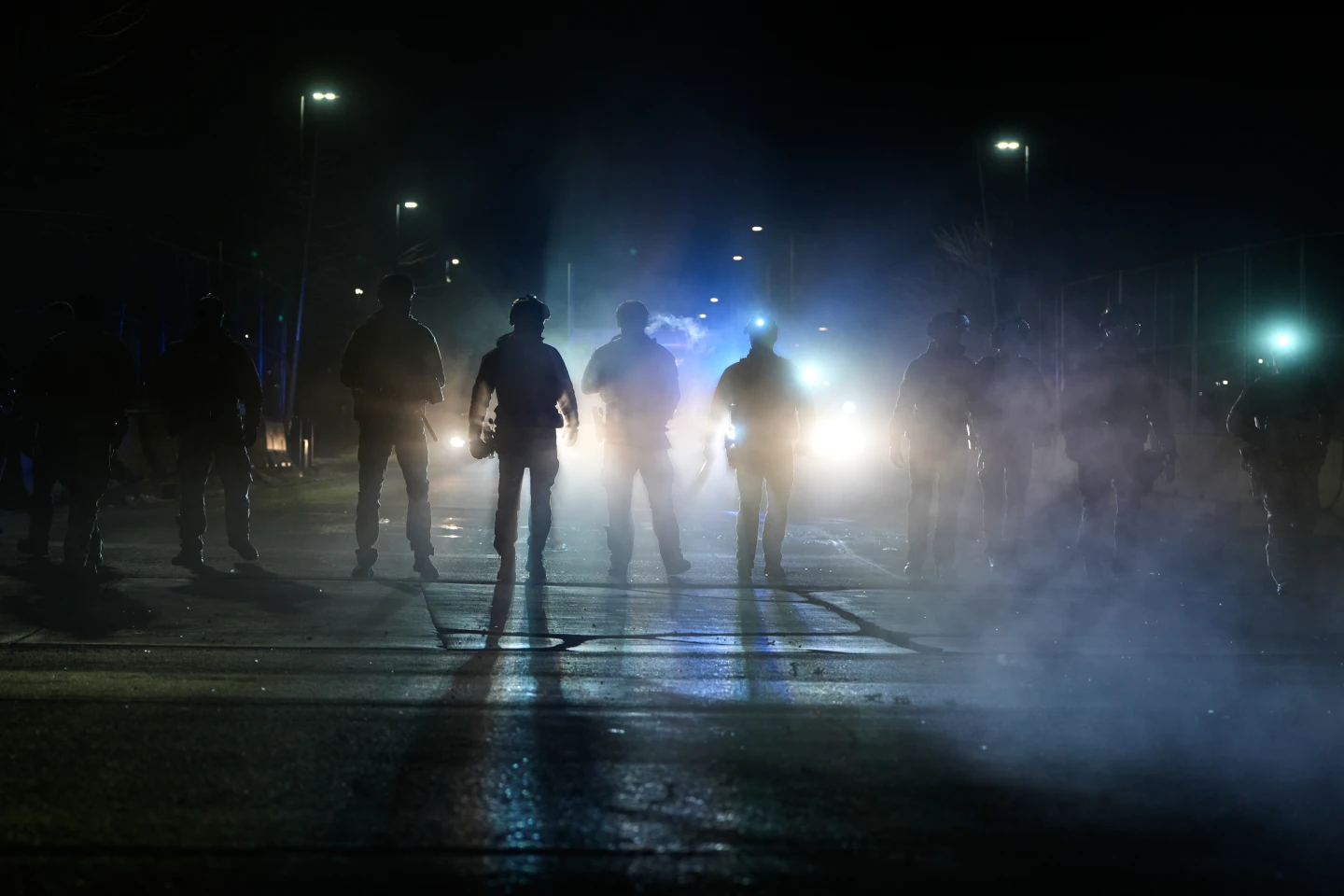
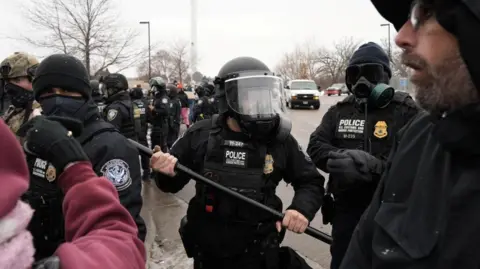
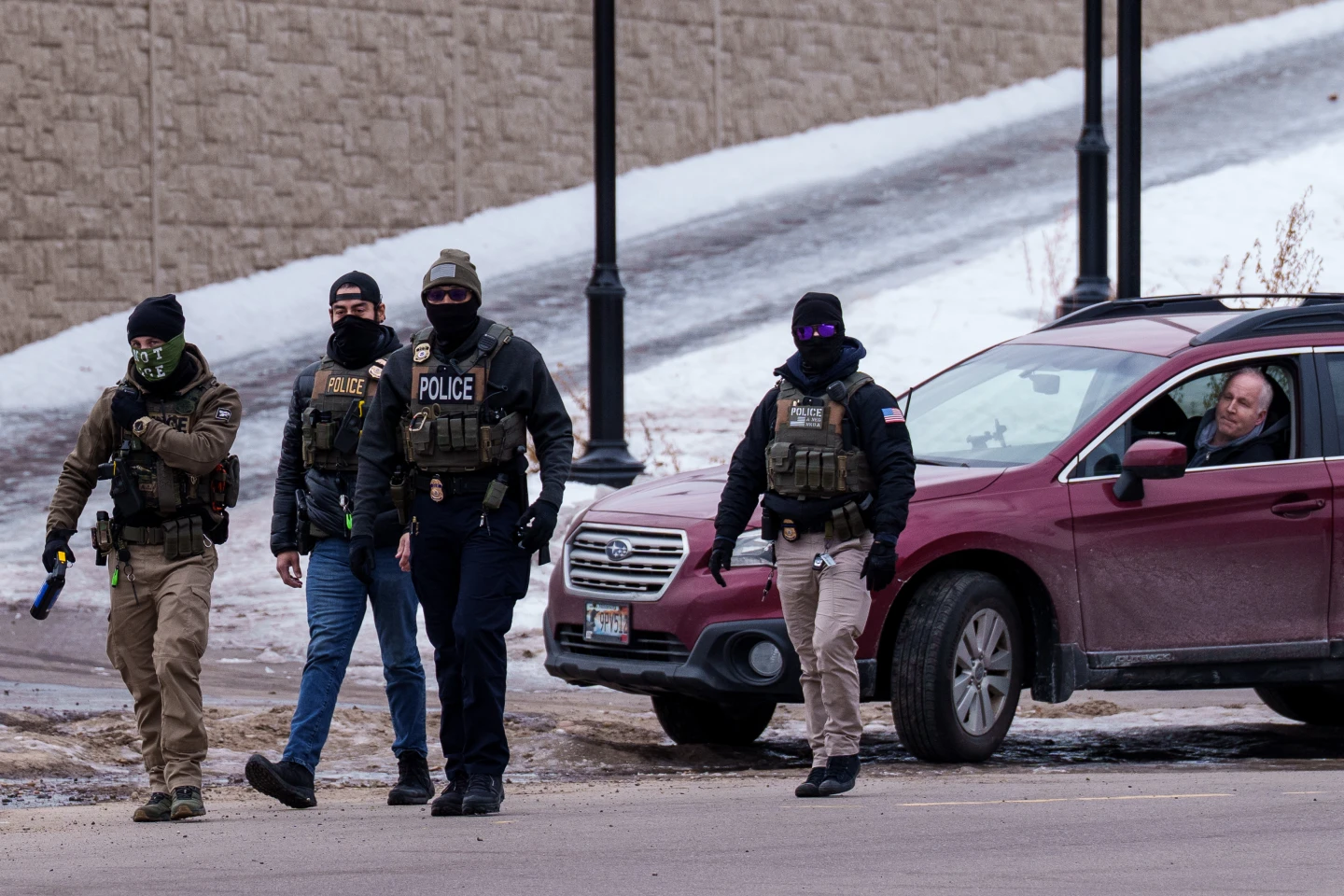
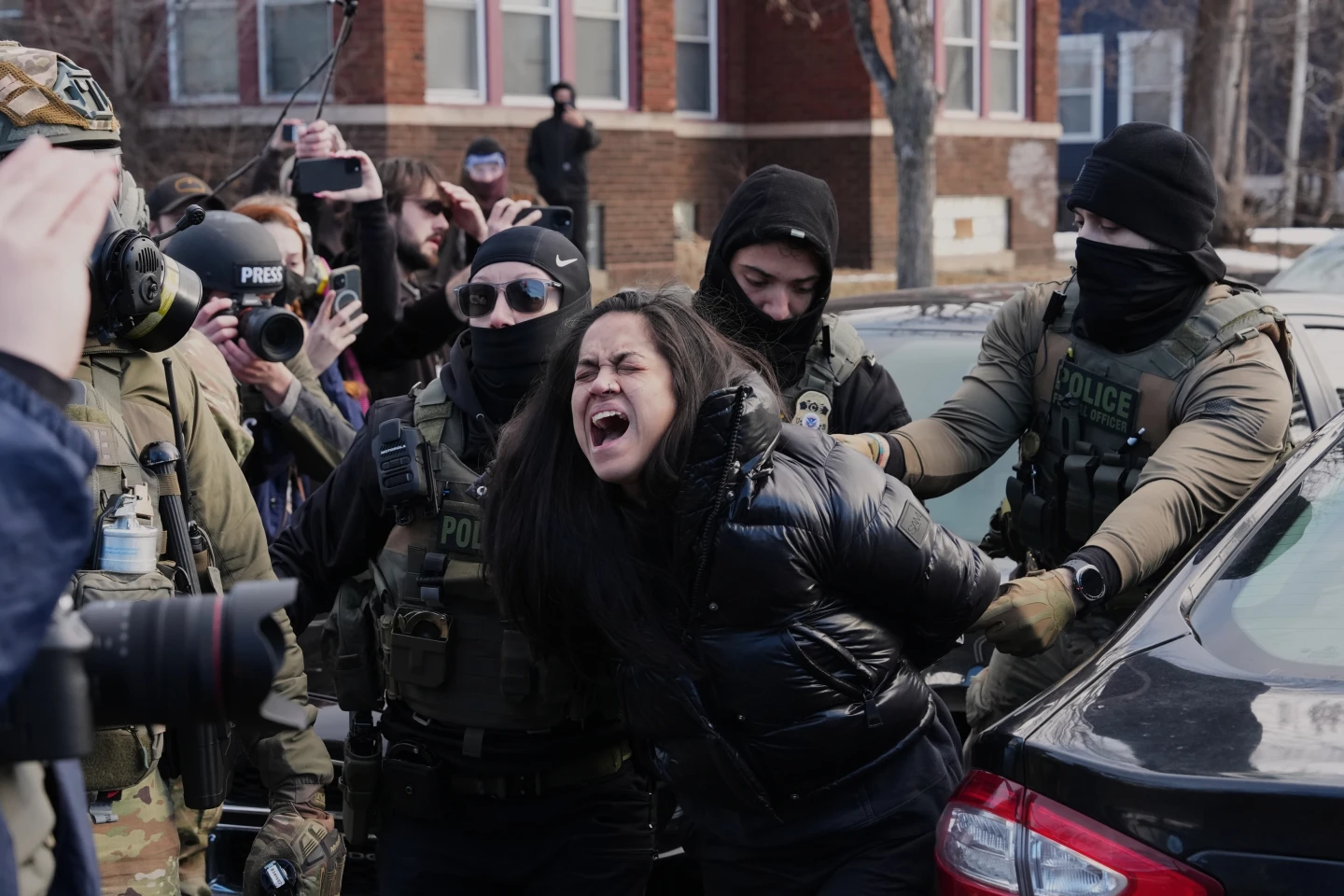
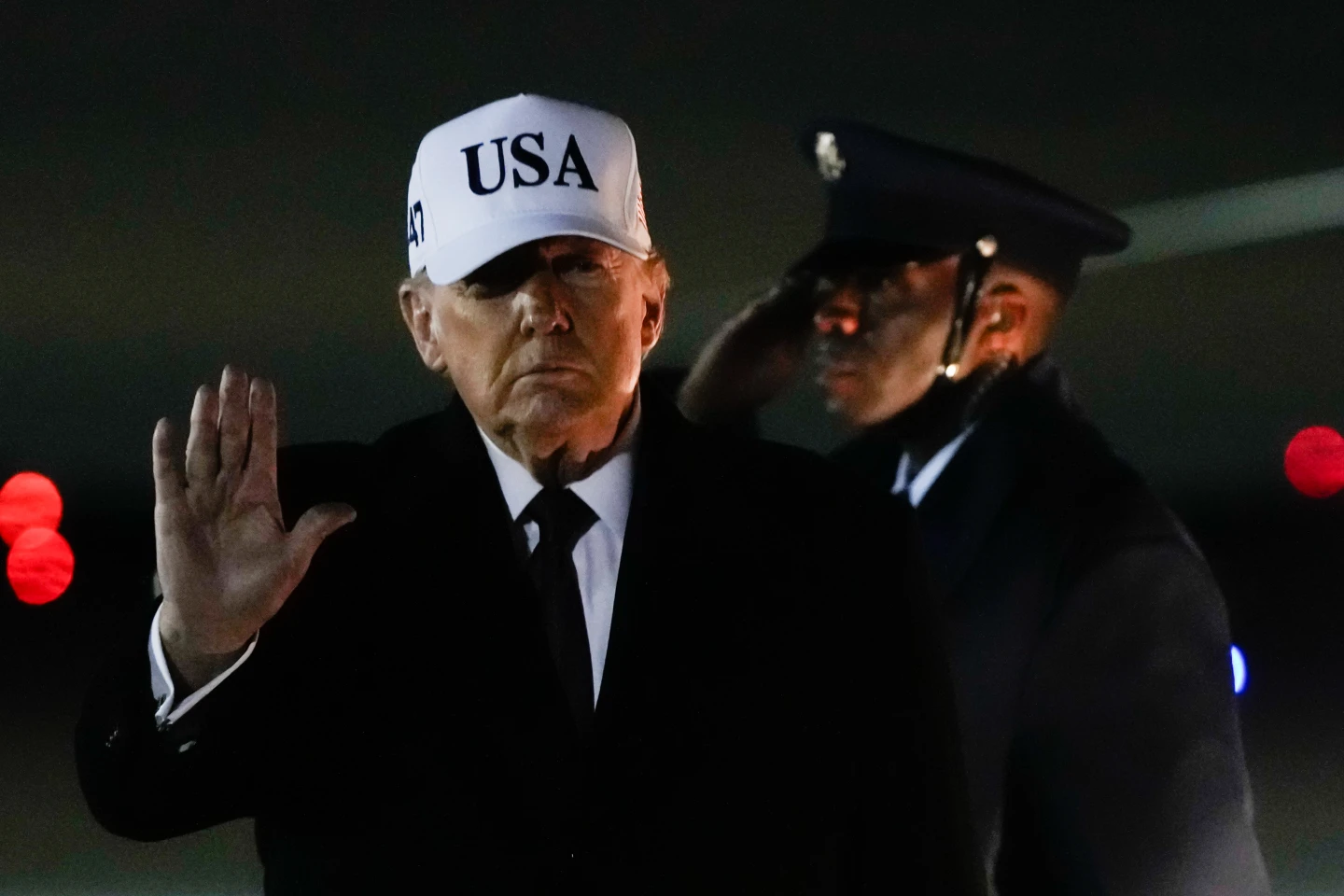
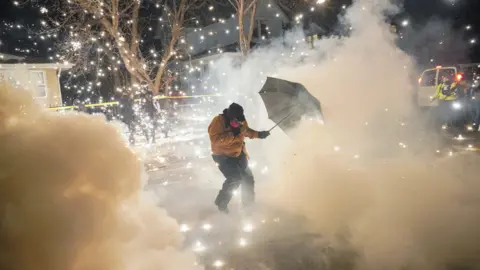
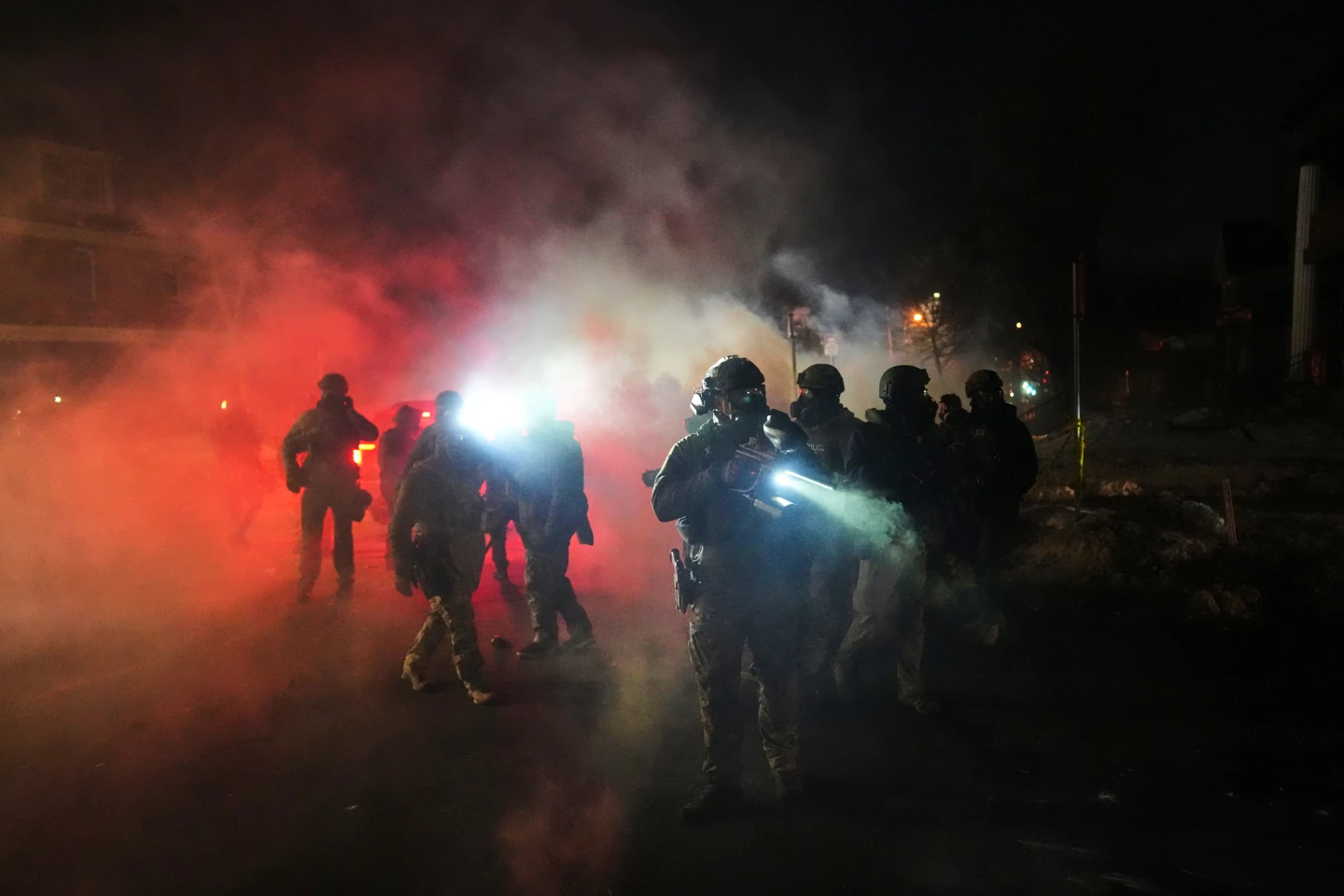
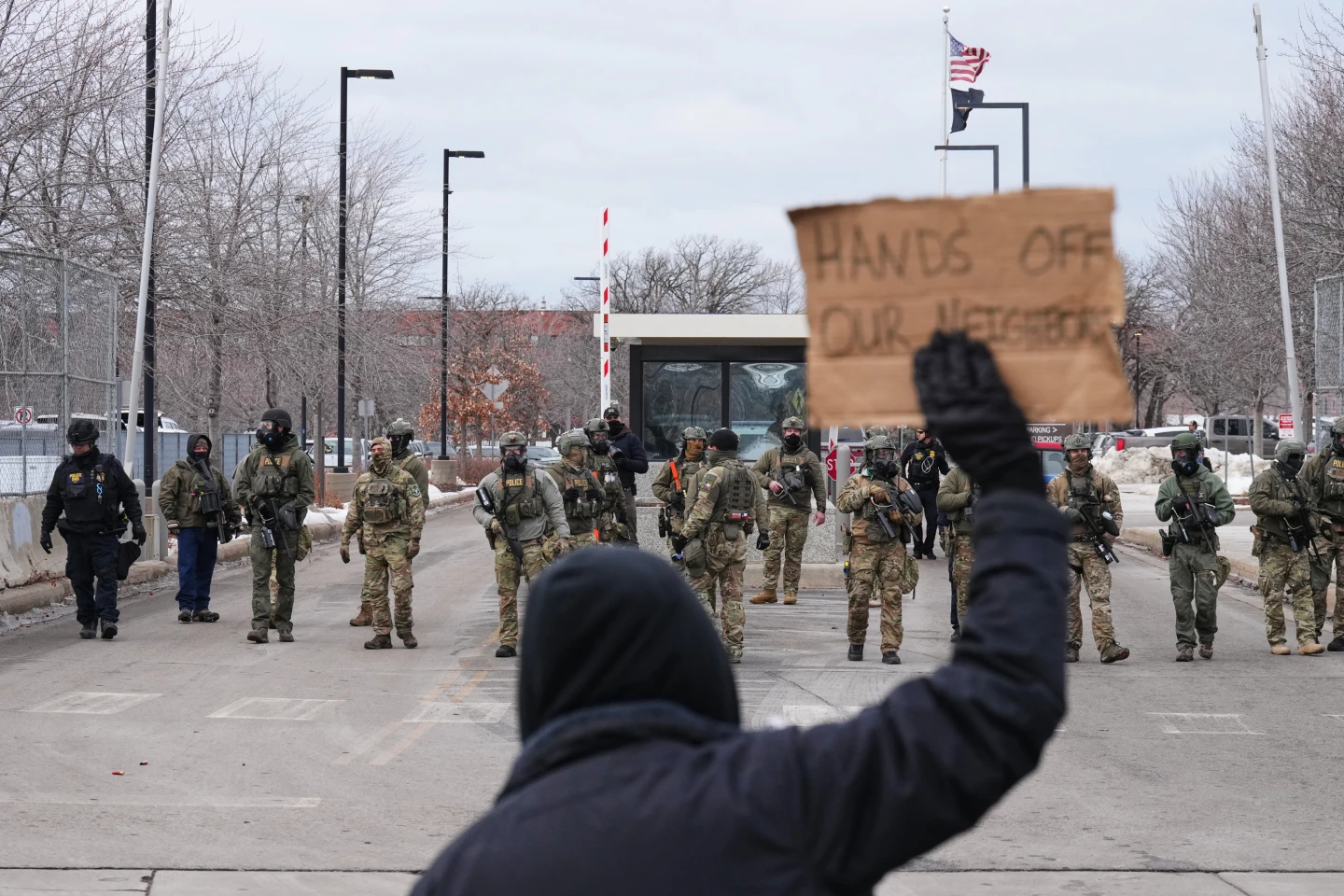
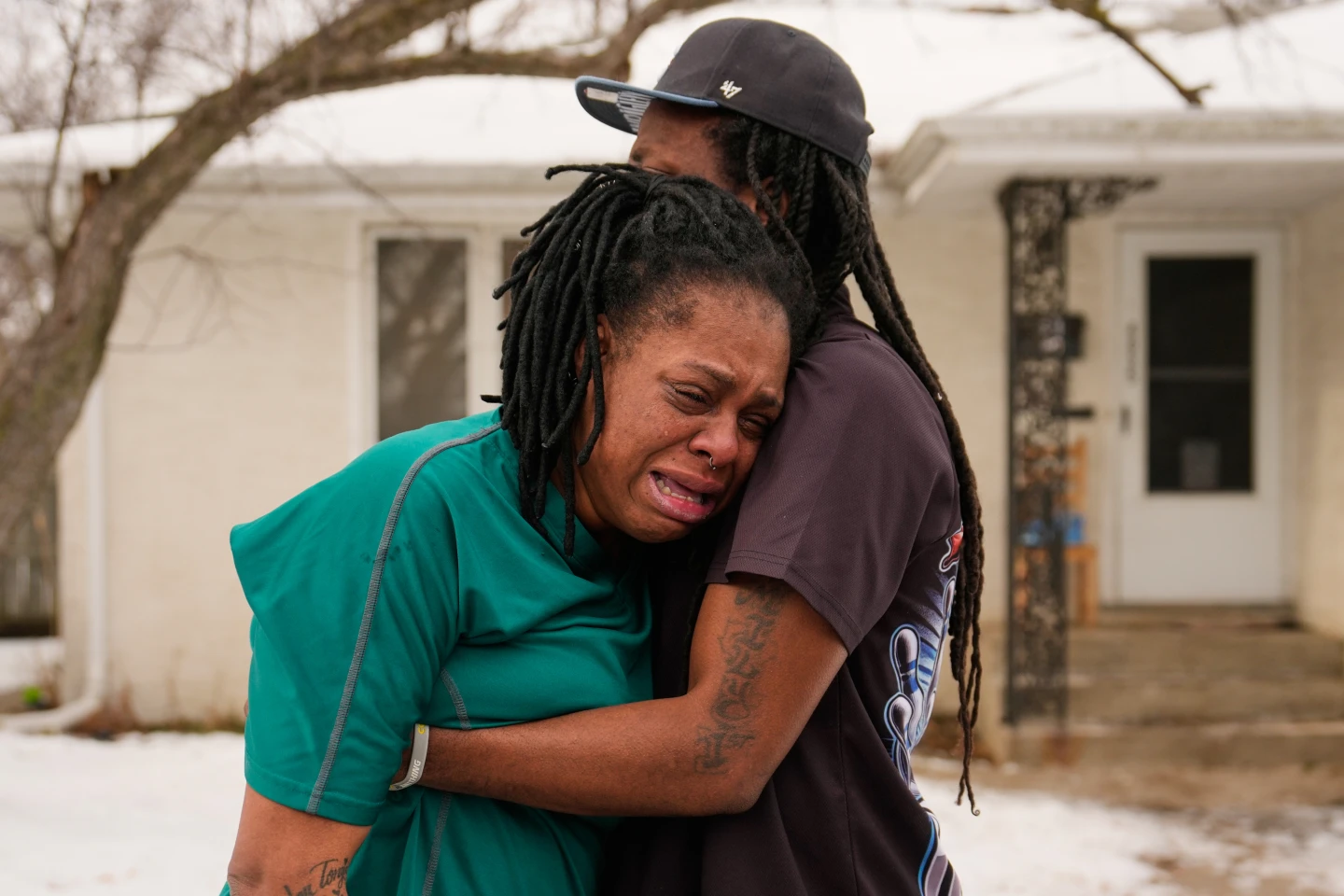
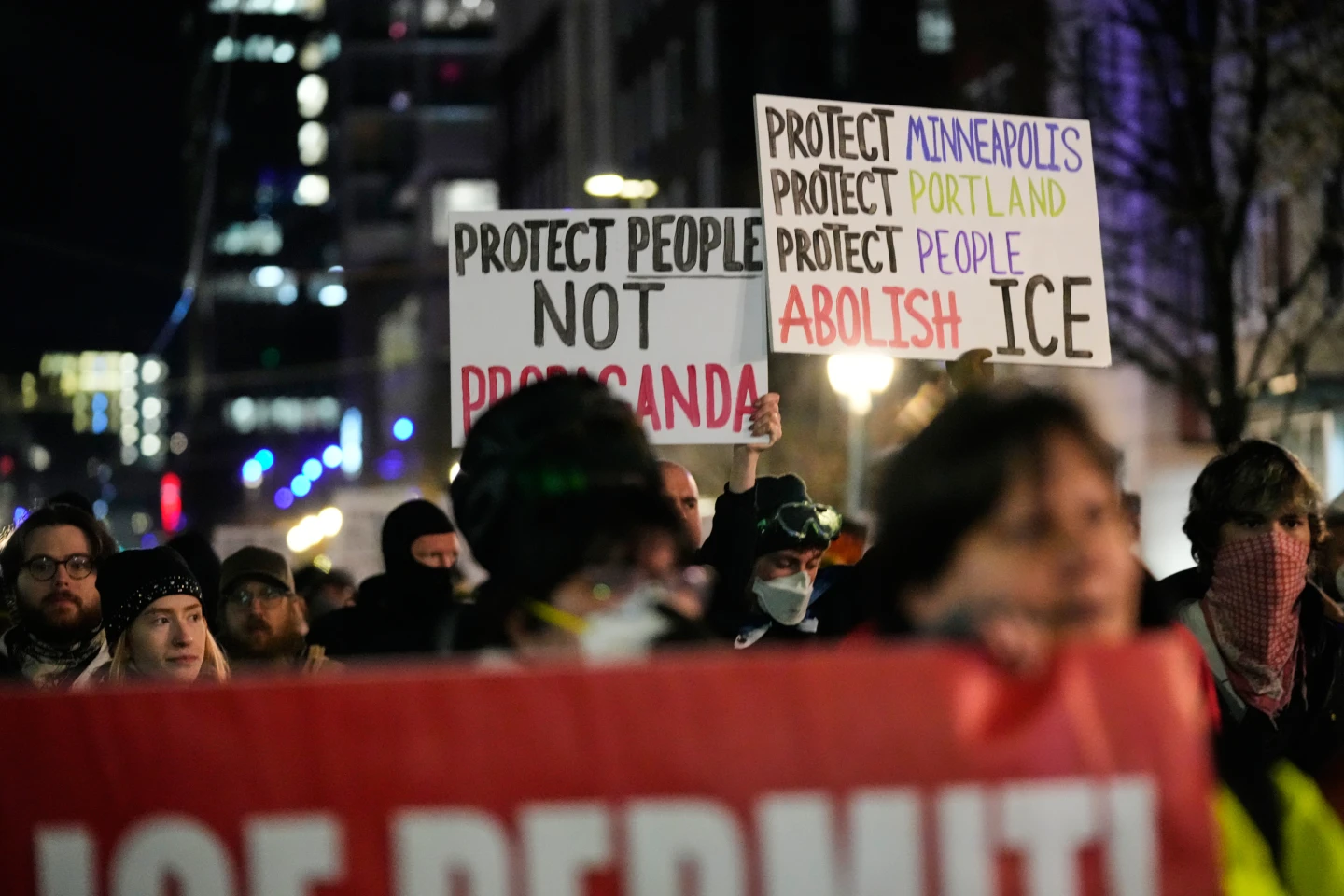
The malaise affecting business operations here is symptomatic of a broader climate of fear stemming from President Trump’s policy initiatives such as “Operation Metro Surge,” which has targeted immigrant communities. Fear of federal immigration agents looms heavily, with many Somali residents reporting that the crackdown has dissuaded individuals from venturing out, either to shop or to work. Wahid recounts that afternoons used to bring 15 to 20 customers to his store, a stark contrast to the solitary wait he now endures.
Wahid, who is a citizen, noted that the apprehensions extended beyond immigrants; even citizens are wary of being targeted for their ethnicity, particularly since highly publicized incidents, including the killing of a community member and ICE raids, have rattled residents’ confidence and willingness to participate in community life.
“I think that caused a lot of people not even want to come,” Wahid explained, attributing the hesitation to fears of being targeted purely based on race. “They look at something bad, and then they think some bad things may happen to them.”
HS assistant secretary Tricia McLaughlin emphasized that law enforcement operates under 'reasonable suspicion' rather than racial profiling, but many in the community disagree with this viewpoint, feeling marginalized by sweeping policies that appear to wrongfully implicate the entire community.
Businesses such as Safari Travel & Accounting Services have faced a near-total loss of clientele. Bashir Garad, who manages the service, spoke of his customers canceling trips out of fear of not being allowed re-entry into the U.S. Many of his clients, while being U.S. citizens, come from East Africa and continue to express anxiety around their status and safety.
“The government is not doing the right thing,” stated Garad, advocating for a more measured approach that differentiates individuals rather than stigmatizing demographics. Meanwhile, other business owners like Ibrahim Dahiye reported losing an estimated $20,000 per month as their venues remained empty, with staff reluctant to come to work due to fears of immigration enforcement.
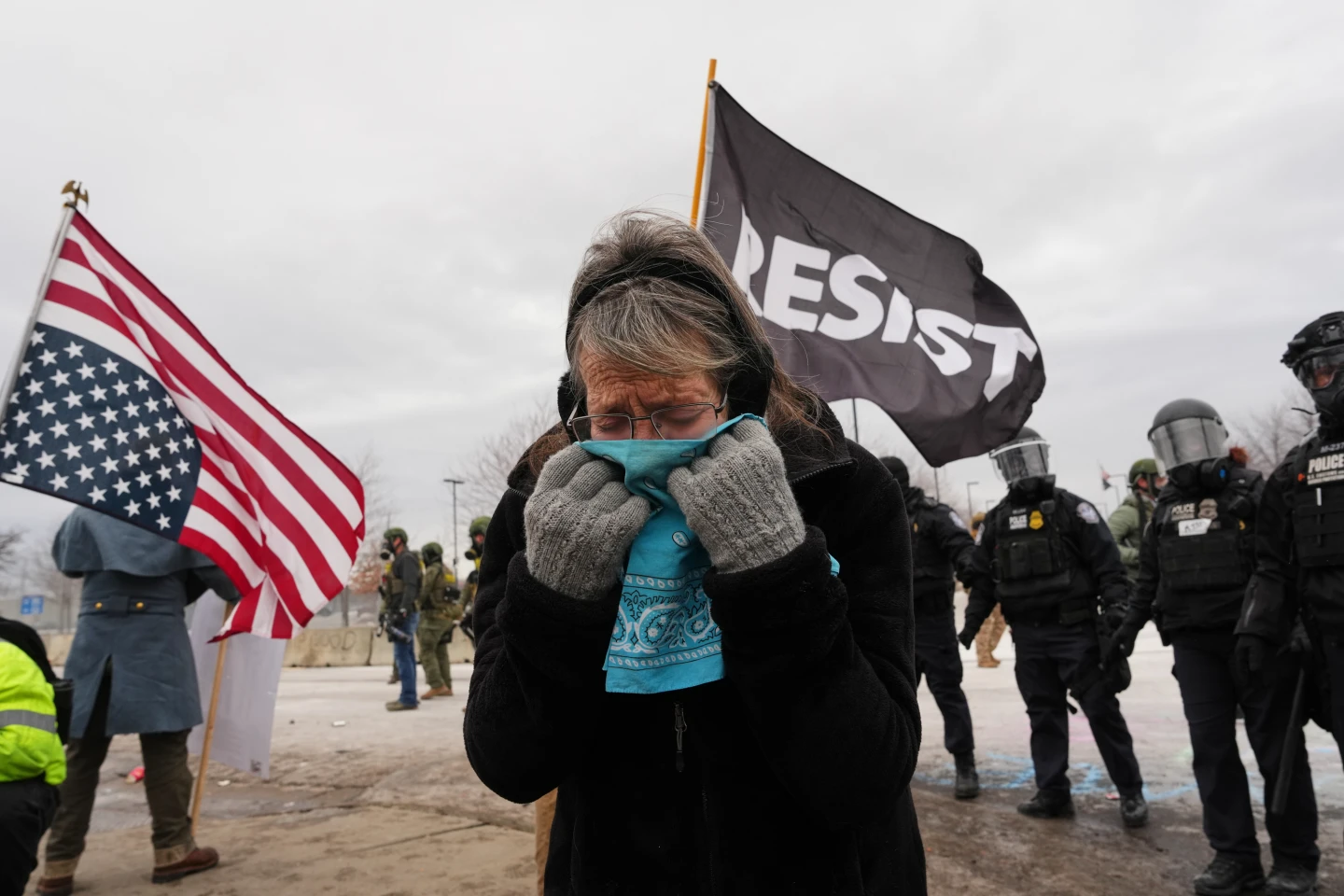
The anxiety weighs heavily on the community, reflecting a broader narrative of fear and uncertainty that has emerged amid tightening immigration policies. Local business owners desire a supportive environment that allows them to thrive; many remind us of the need for constructive dialogue rather than divisive tactics targeting communities as a whole.