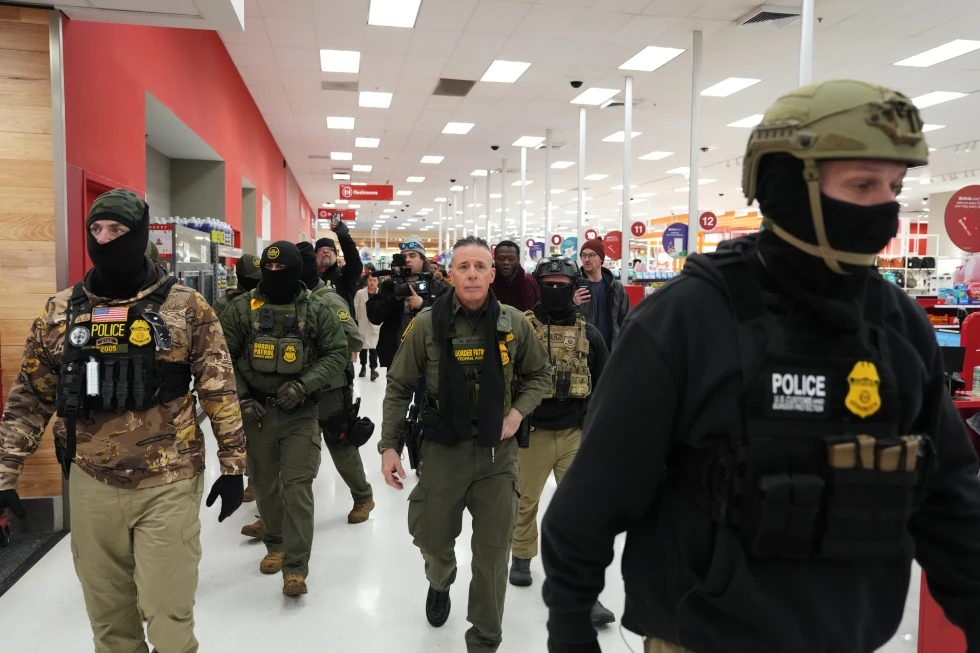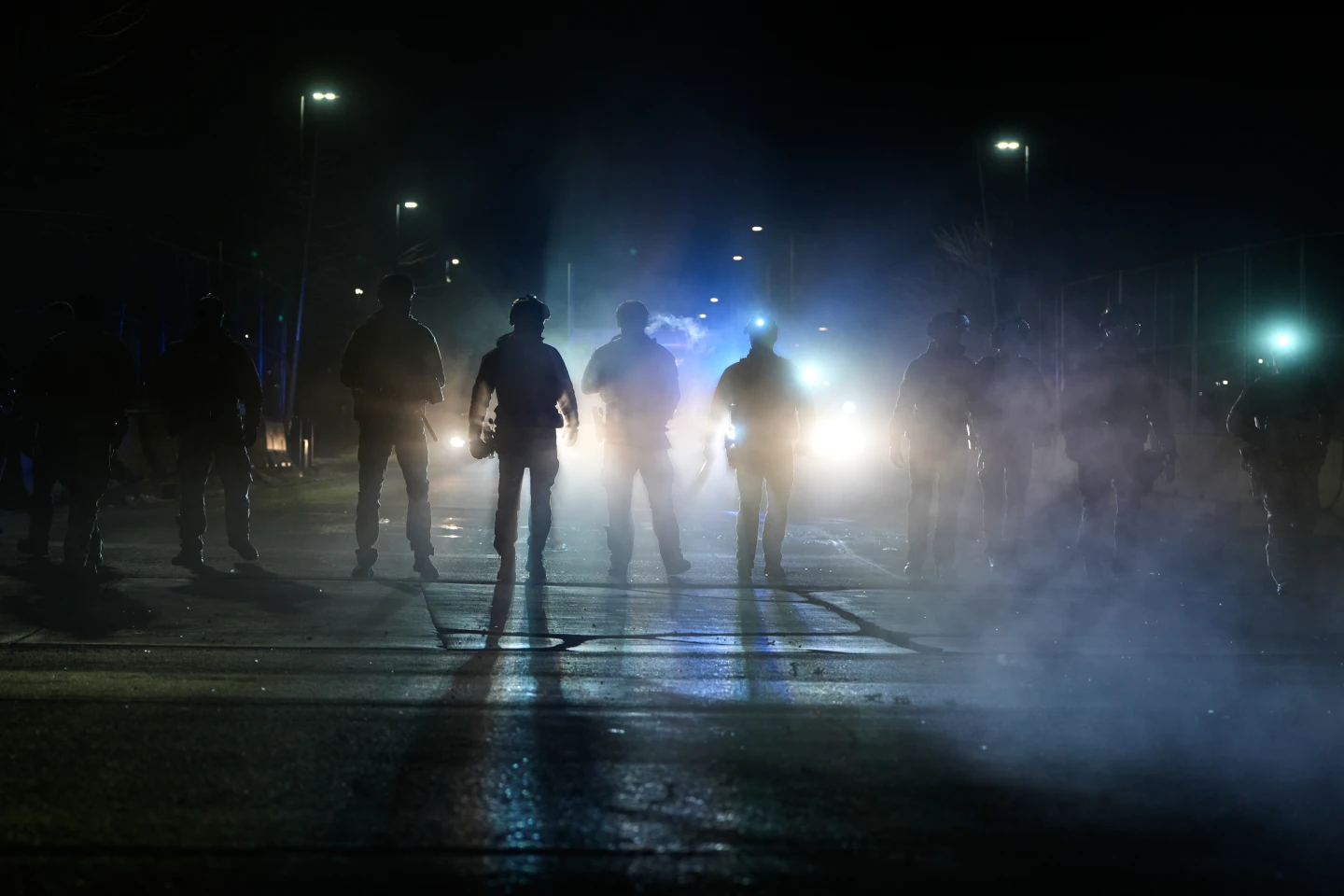
In the early hours, Minneapolis witnesses the sound of engines as armored SUVs and vans roll out from a federal compound, signaling the start of Operation Metro Surge. This aggressive immigration crackdown involves over 2,000 federal agents operating in Twin Cities, striking fear and sparking outrage among local residents.
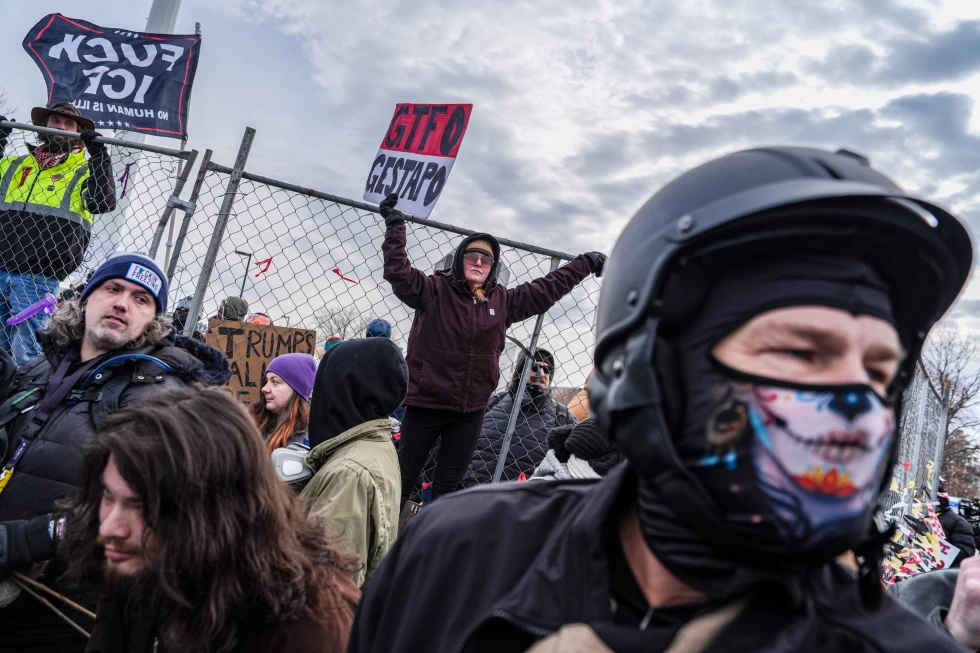
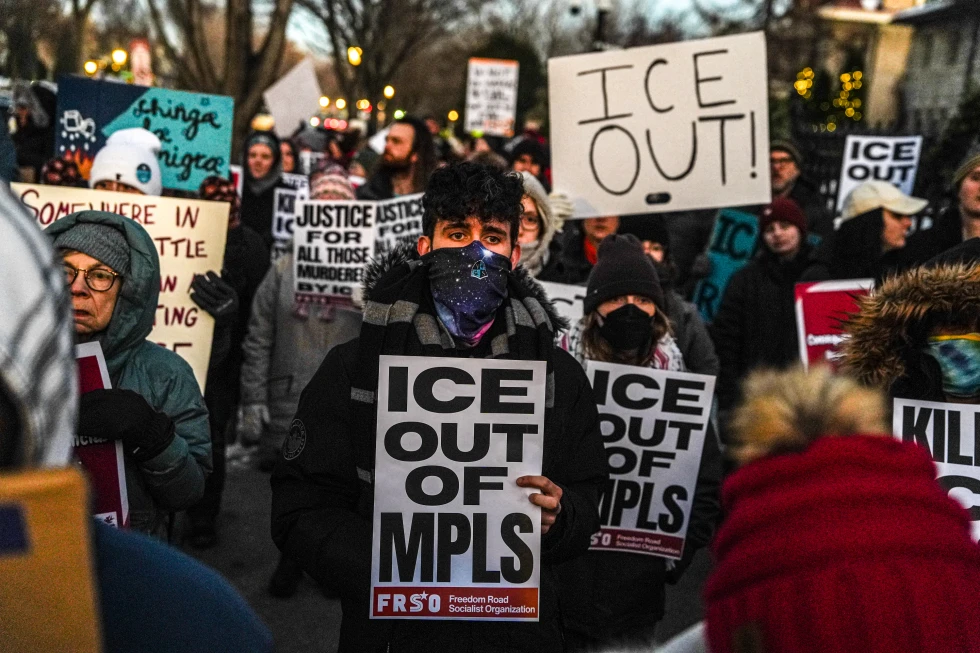
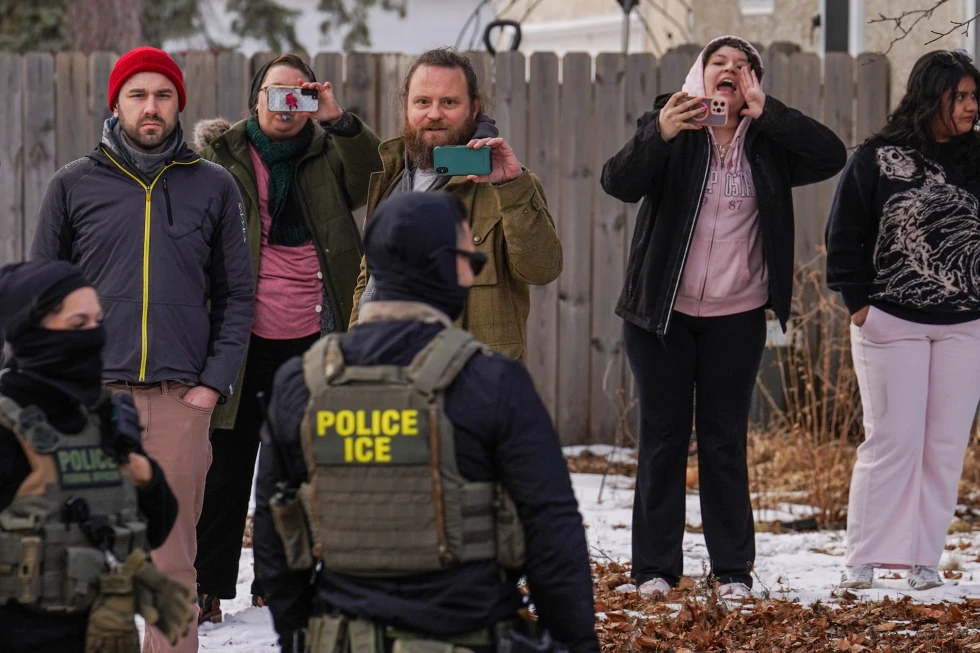
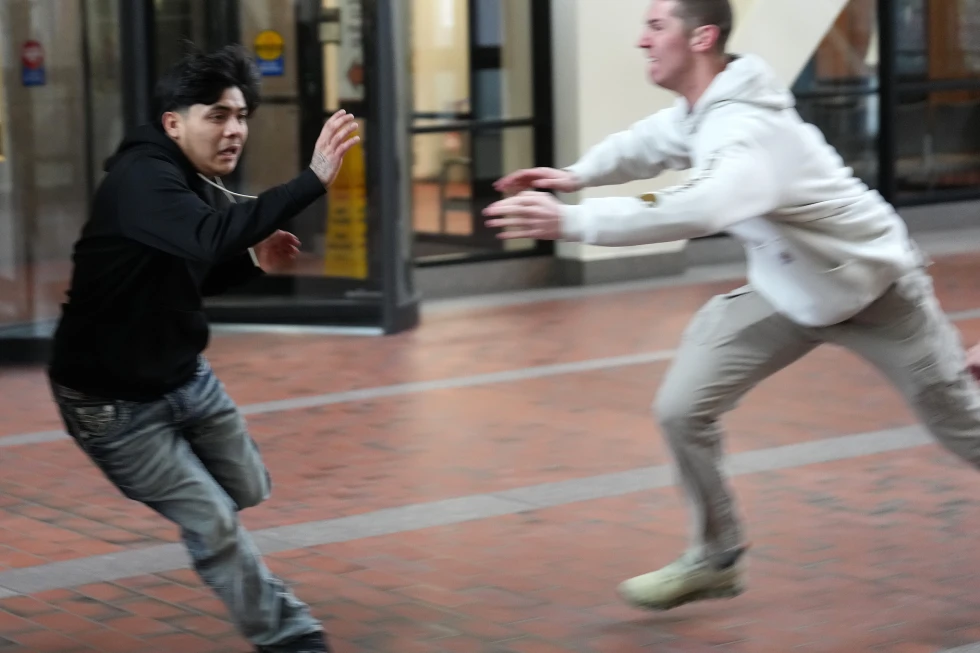
While federal officers engage in enforcement actions, protesters stand in opposition, chanting demands for the agents to abandon their missions. The situation often escalates into confrontations, particularly at night when tensions brew as protesters clash with federal law enforcement using tear gas and pepper spray.
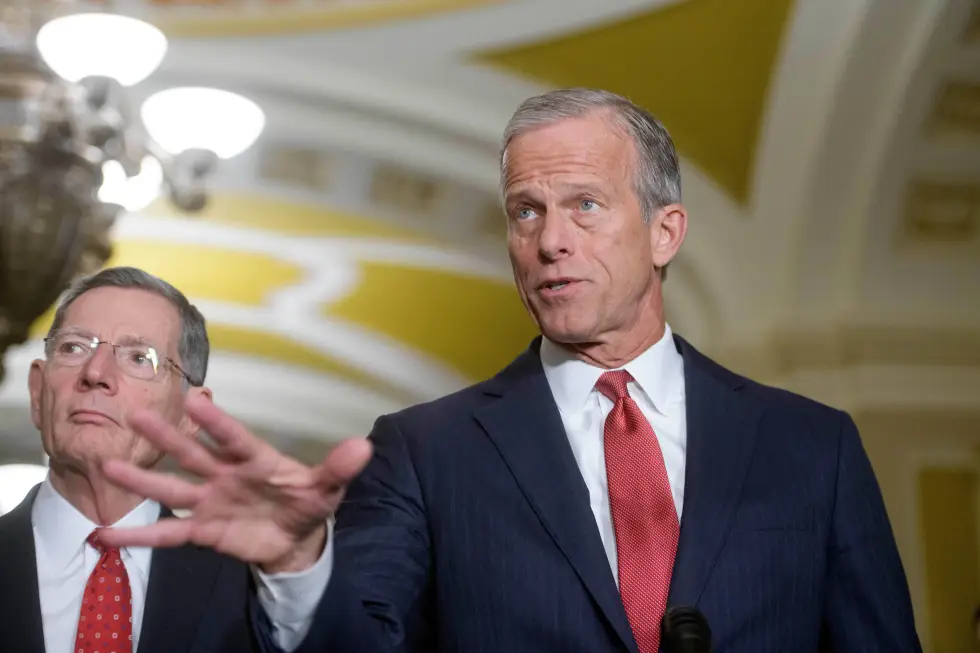
Local officials decry the federal presence, stating that it disrupts communities and instills fear among immigrants. Minneapolis Mayor Jacob Frey has likened the scale of this operation to an invasion, amplifying concerns surrounding public safety amidst the presence of heavily armed agents.
The protests reflect deep divides over immigration enforcement policies. For many residents, the presence of federal officers adds a palpable tension to daily life, prompting families and children to make choices driven by fear—of skipping school, avoiding public spaces, and limiting access to community resources.
In the wake of the shooting death of Renee Good, a citizen who was reportedly shot by ICE officers during a enforcement operation, calls for accountability and justice have surged. This incident has intensified scrutiny of federal conduct and ignited further public demonstrations against immigration enforcement.
As tensions continue to rise, questions linger over the impacts of such operations on immigrant communities and on the broader social fabric of the region. Local activist groups are mobilizing support and resources, aiming to provide aid to those most affected by the increased presence of federal authorities, showcasing a community determined to resist.
Residents have taken up roles as watchers, alerting neighbors of federal activity and offering assistance to those in need. As the operations persist, the people of Minneapolis find themselves in an ongoing struggle for their rights and for the dignity of their community members, echoing a larger debate on immigration and civil rights across the nation.