Geraldo Lunas Campos, a Cuban immigrant, died in a Texas immigration detention facility on January 3 during an altercation with guards, with preliminary autopsy results indicating the death is likely a homicide. While U.S. Immigration and Customs Enforcement (ICE) reports that Lunas Campos attempted suicide, a witness claims he was handcuffed and placed in a chokehold by guards.
According to the El Paso County Medical Examiner’s Office, the initial autopsy suggested the death resulted from asphyxia due to compression of the chest and neck. This contrasting evidence has intensified scrutiny concerning the treatment of detainees in immigration jails, particularly as the government has ramped up detentions across the country.
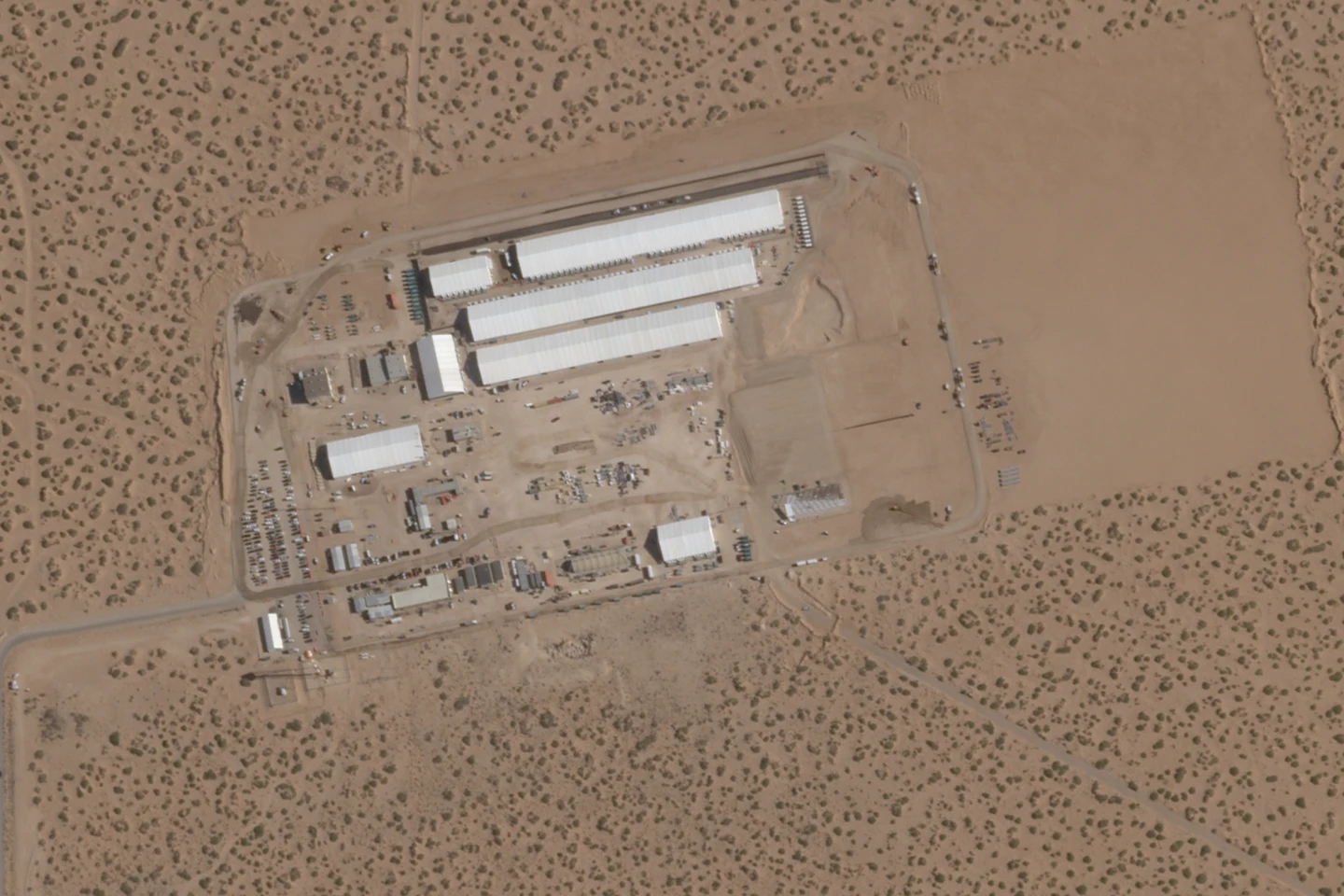
Lunas Campos, a 55-year-old father of four and registered sex offender, had been detained at Camp East Montana, a facility hastily built on an Army base, since September 2022. This detention center, projected to be the largest in the U.S., has come under scrutiny for its management by a private contractor lacking experience in corrections.
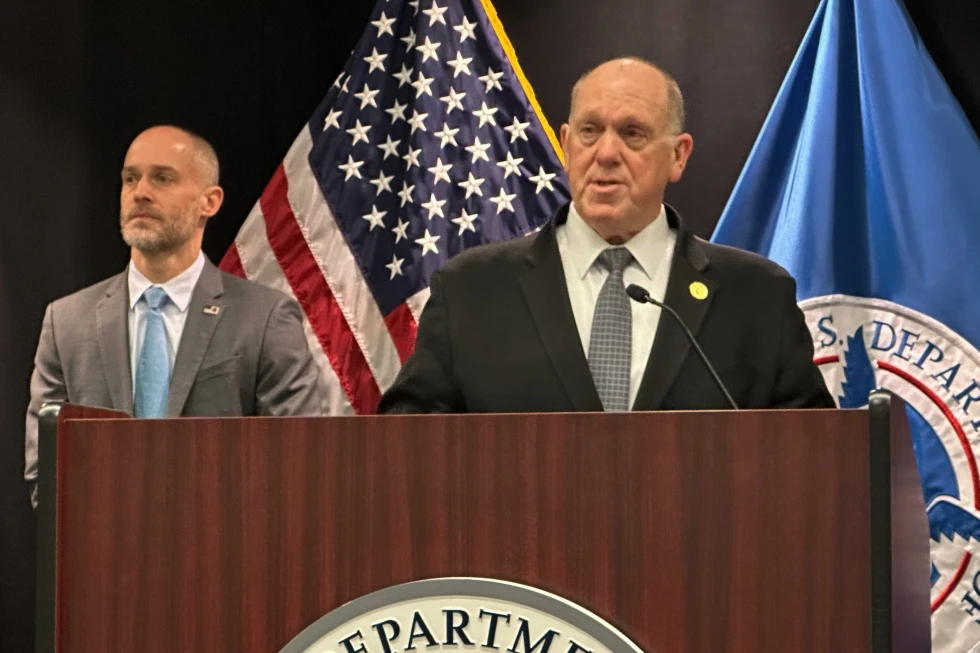
Witness Santos Jesús Flores, currently a detainee at the facility, recounted that Lunas Campos resisted being transferred to a cell and indicated he could not breathe as guards tackled him. The Department of Homeland Security amended their account of events following media inquiries, now asserting that Lunas Campos was aggressive during a struggle with the security staff.
Flores dismissed official statements as omitting crucial details, alleging excessive force was used in the restraint prior to Lunas Campos's loss of consciousness. He emphasized the need for accountability, stating that such incidents of abuse occur frequently at the facility.
The complexity is compounded by Lunas Campos's criminal history, which led to his detention under ICE’s enforcement operations. Lunas Campos had prior convictions which rendered him eligible for removal, a point highlighted by ICE in their statements. Nevertheless, his family and advocates are calling for justice and clarity regarding his death, asserting that he was not the monster characterized by his past crimes.
As investigations proceed, the implications of Lunas Campos's death may lead to a reassessment of how immigration detention centers operate and the treatment of those within them. Advocates argue for systemic changes to ensure detainee safety and humane treatment, especially given the history of excessive force leading to fatalities within detention settings.