In brief
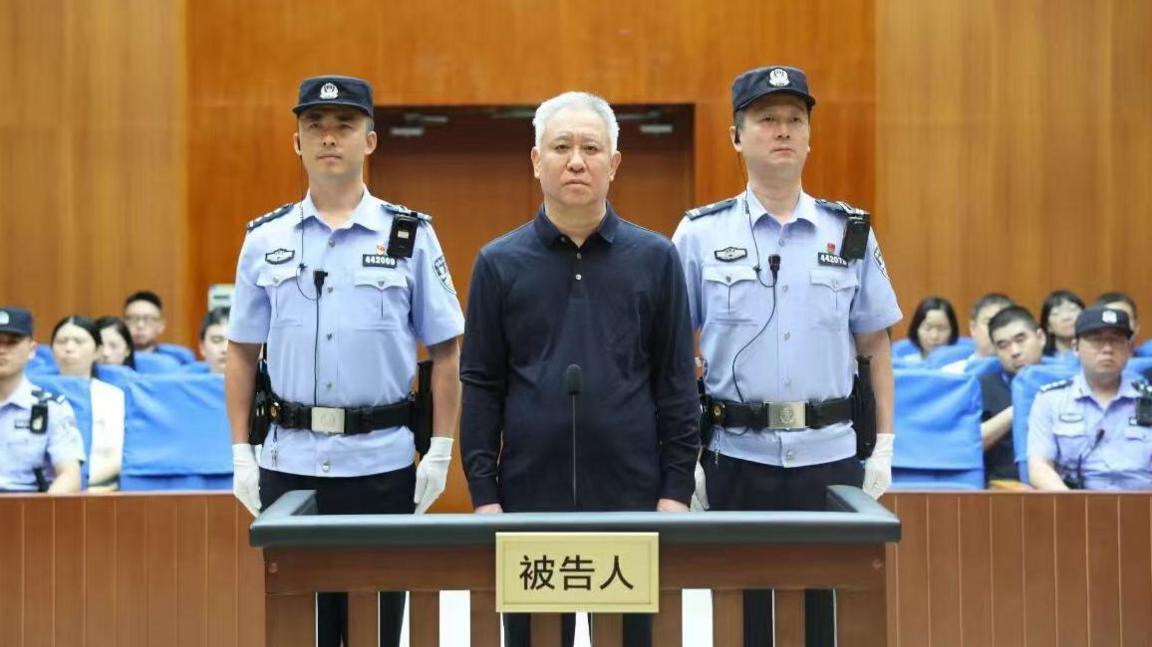
Hui Ka Yan, the visionary behind Evergrande’s meteoric rise and eventual collapse, has been handed a life sentence and ordered to surrender all personal assets. The Shenzhen court found him guilty of embezzling company funds, bribing officials and inflating revenue by 78 billion dollars. Evergrande faces an 8.82‑billion‑yuan fine and its real‑estate arm was ordered to pay 7 billion yuan. The verdict marks a turning point in China’s uneasy recatriation of its most disastrous property crisis.
Shenzhen Intermediate People’s Court has handed the death‑bed dragon of China’s real‑estate crisis a life sentence and seized all his personal assets.
Hui Ka Yan, who rose from rural beginnings in Guangdong to chair a company that once floated above the world’s stock markets, pleaded guilty in April on charges of embezzlement, bribery, and the systematic concealment of corporate debt. The court imposed an 8.82‑billion‑yuan ($1.31 billion) fine on Evergrande Group and an additional 7‑billion‑yuan penalty on its real‑estate arm.
The conviction follows a string of corporate betrayals—most notably the inflating of revenue by 78 billion dollars in 2024 and the siphoning of millions of dollars from pre‑sale buyers that never entered construction. The collapse of the company in 2021 sent ripples through China’s housing market, denting bank balance sheets and shaking investor confidence.
Evergrande’s market value plummeted by 99% before its shares were delisted from the Hong Kong exchange in August 2025. The company’s demise has become a cautionary tale about debt‑ised expansion and the fragility of China’s property sector.
Hui’s sentencing is the latest litmus test for China’s crackdown on corporate malfeasance and a reminder that the lionised image of the country’s private‑sector dynastic figures does not exempt them from the rule of law.