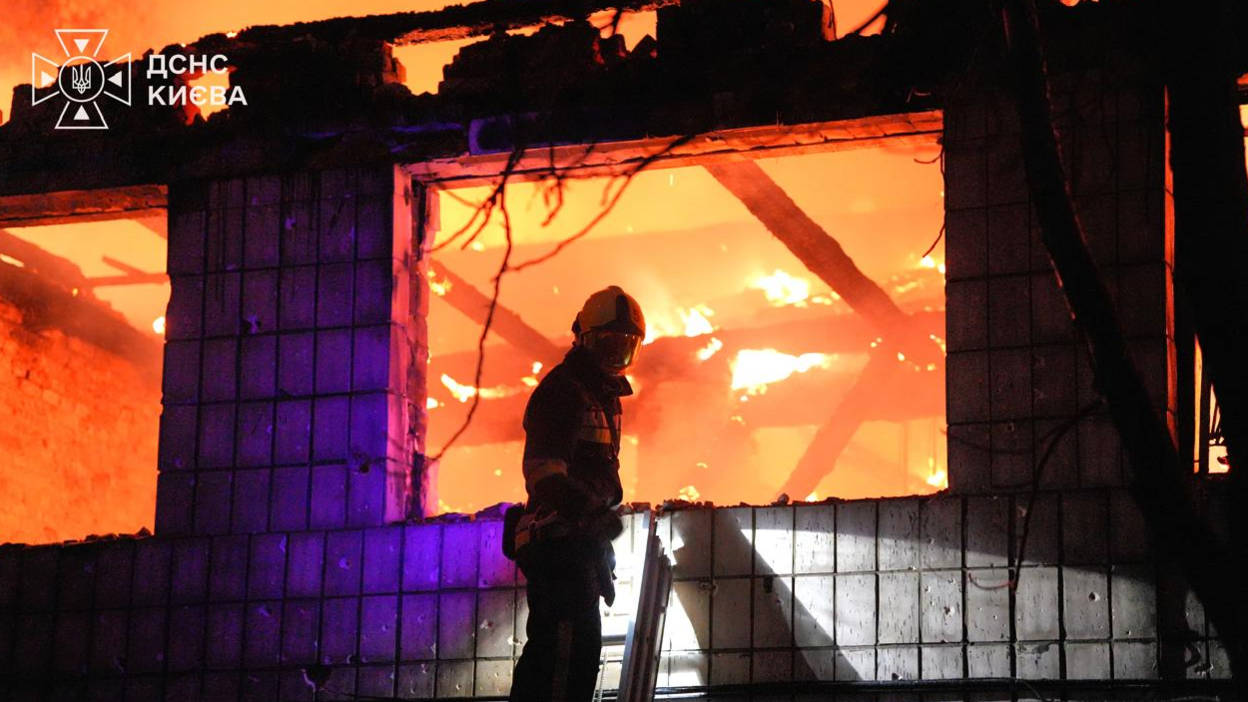
A blaze broke out at the Pakistan Institute of Medical Sciences (PIMS) in Islamabad at dawn on 26 August, destroying the maternity ward and killing 14 newborns, according to witnesses.
Doctors and staff reported that the ward’s third‑floor air‑conditioning unit sparked the fire, but the building had no functioning fire alarms or extinguishers. The narrow, locked exit doors that the hospital staff kept closed to prevent theft prevented the infants from being evacuated.
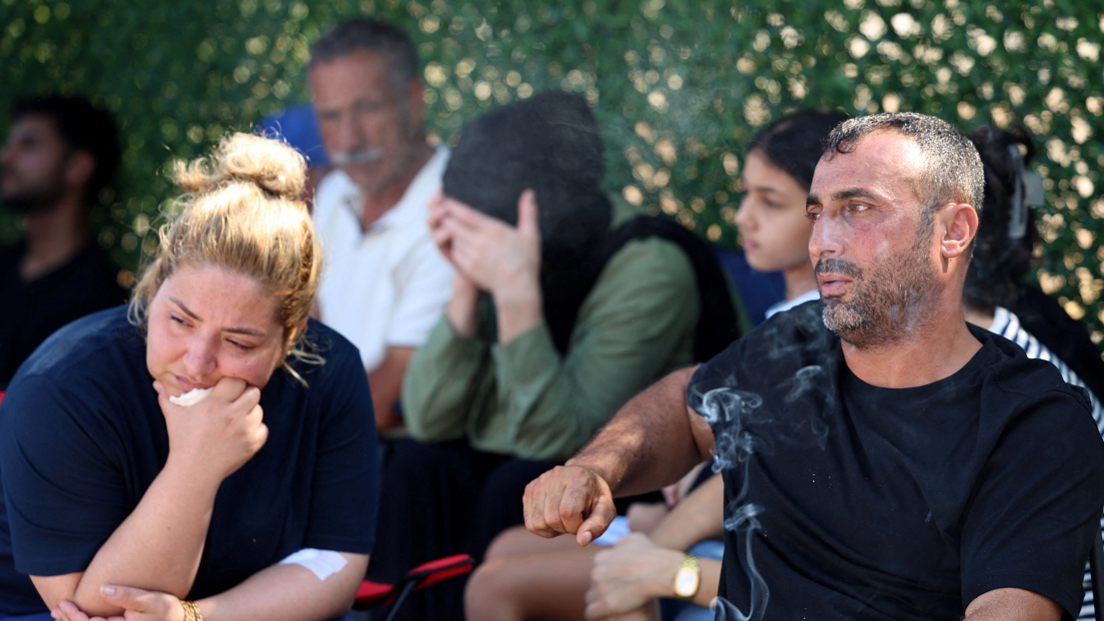
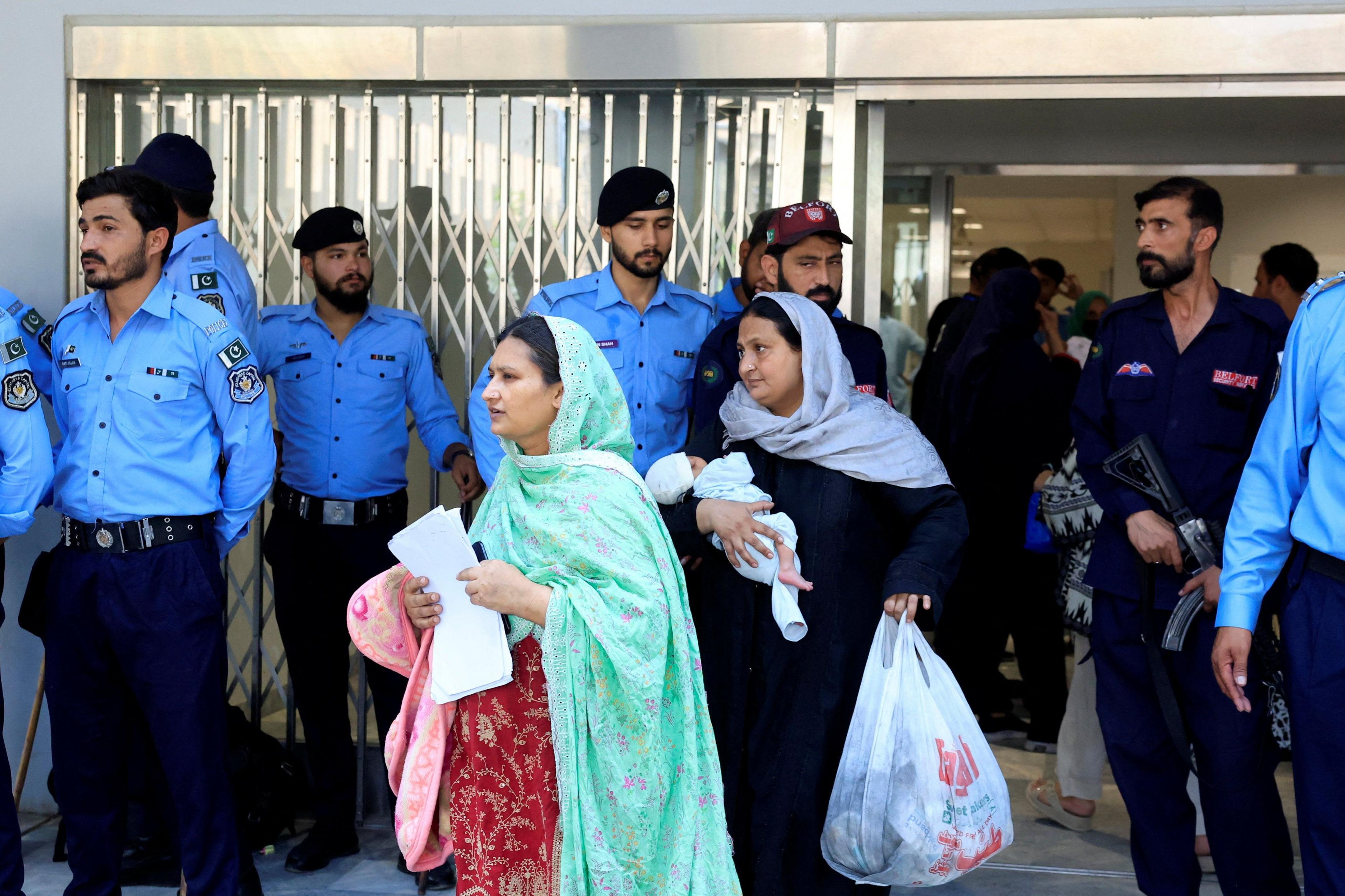
One mother, who had delivered her baby the night before, described how she fled with the infant amid thick black smoke, praying for safety. Only one baby survived, a single infant who was successfully removed from the burning wing.
Eyewitnesses and parents raised concerns about a lack of staff presence and delayed emergency assistance. One patron told AFP that rescue teams arrived almost two hours after the alarm, and that police were not there until four hours later, when they merely began an investigation.
The hospital’s Executive Director said the doors were kept locked to protect infants from theft, a practice that many critics view as reckless given the emergency situation. Other accounts describe the staff fleeing the children without establishing a clear evacuation plan.
Prime Minister Shehbaz Sharif expressed deep sorrow over the fire and immediately ordered an investigation by the federal health ministry. He also suspended the then-Federal Health Secretary, signalling a swift government response to the incident.
This disaster has reignited debate about Pakistan’s hospital safety standards, building codes and regulatory enforcement. In recent years, other major fires, including a mall blaze in Karachi, have highlighted systemic problems with fire safety regulations across the country.
The incident underlines the fragile state of infant protection in public hospitals, raising questions from a social perspective about how cultural practices regarding baby security can lead to life‑threatening risks. Across the political spectrum, calls for greater oversight and mandatory safety protocols have become louder, pointing to the need for comprehensive reform in health facility management.
Islamabad’s Chief Commissioner, Sohail Ashraf, confirmed that rescue efforts began quickly after the call, but the lack of sturdy fire safety infrastructure caused delays, magnifying the tragedy.