Former Thai MP Confesses to Hitting Local Official on YouTube Livestream
Former MP Chalong Reawraeng (also spelled Riewrang) told a live‑streaming host that he had shot former police officer Thongchai Yenprasert in Nonthaburi province on Monday morning.
Reawraeng first called political commentator Anchalee Paireerak during her YouTube show, shockingly admitting the shooting. “Did he die? Did he die? You shot him in the head? You need to wait there for the cops, don’t go anywhere.” Paireerak recorded her surprise but could not hear the caller’s full statement.
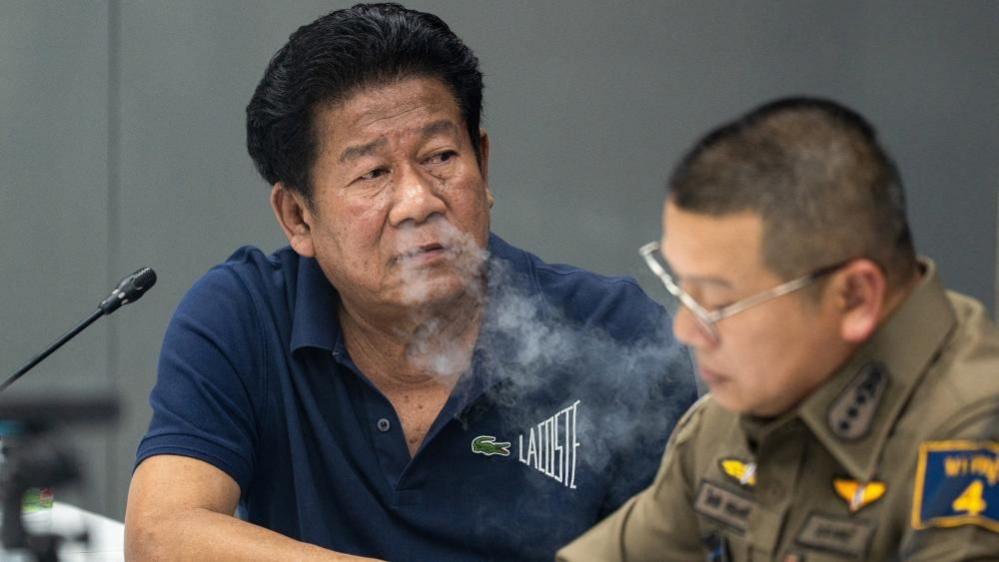
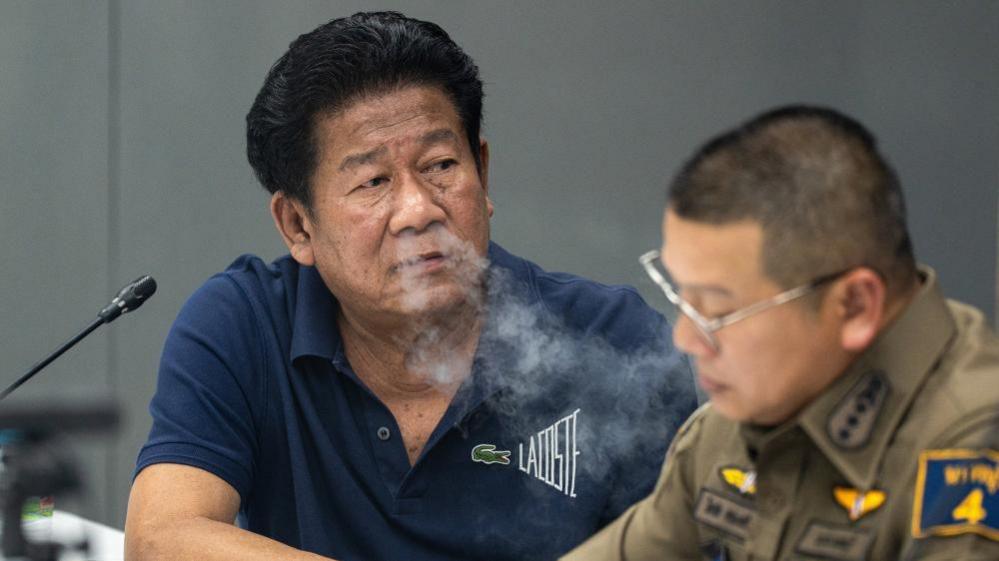
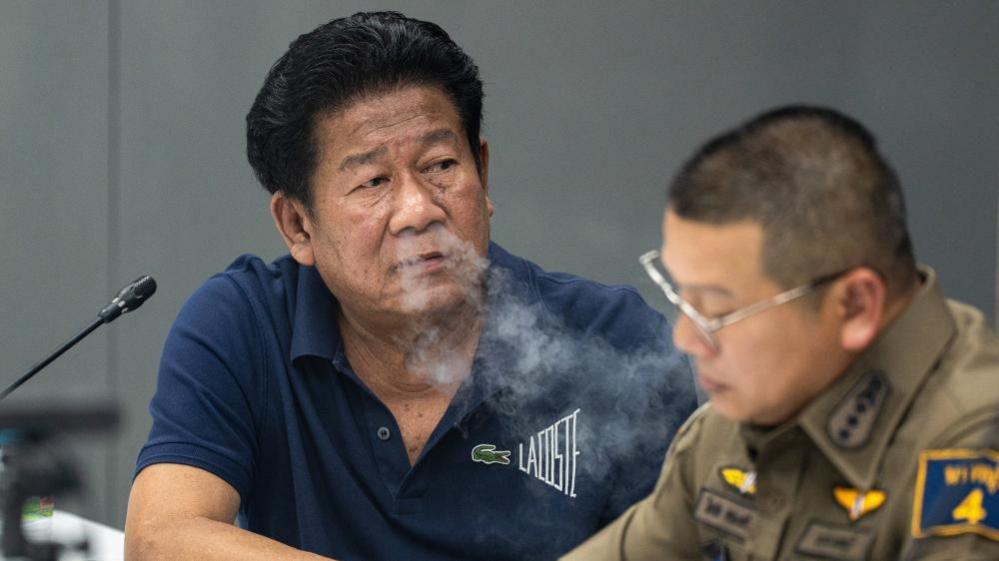
Sources say the gunfire followed a personal quarrel: Reawraeng claimed Thongchai pushed him and threatened not to speak, prompting Reawraeng to draw a weapon, allegedly in response to the official’s driver pulling a gun. “I didn’t intend to shoot, but the driver pulled a gun at me, so I fired,” he said at police station press‑conference while smoking a cigarette.
Thongchai, the retired colonel and president of the Nonthaburi Provincial Administrative Organisation, was struck in the neck and died in hospital. His driver sustained gunshot wounds to the arm and hand.
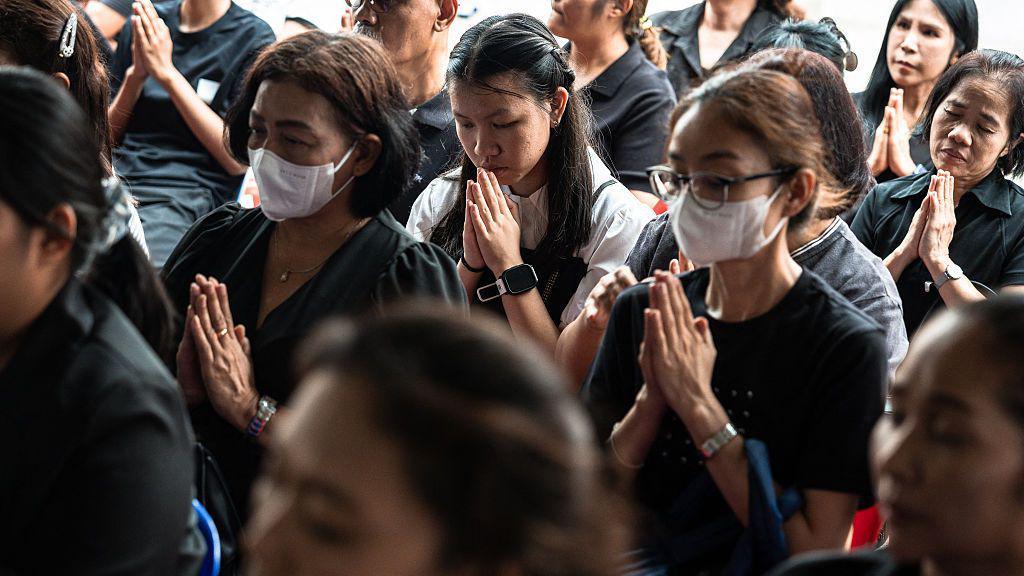
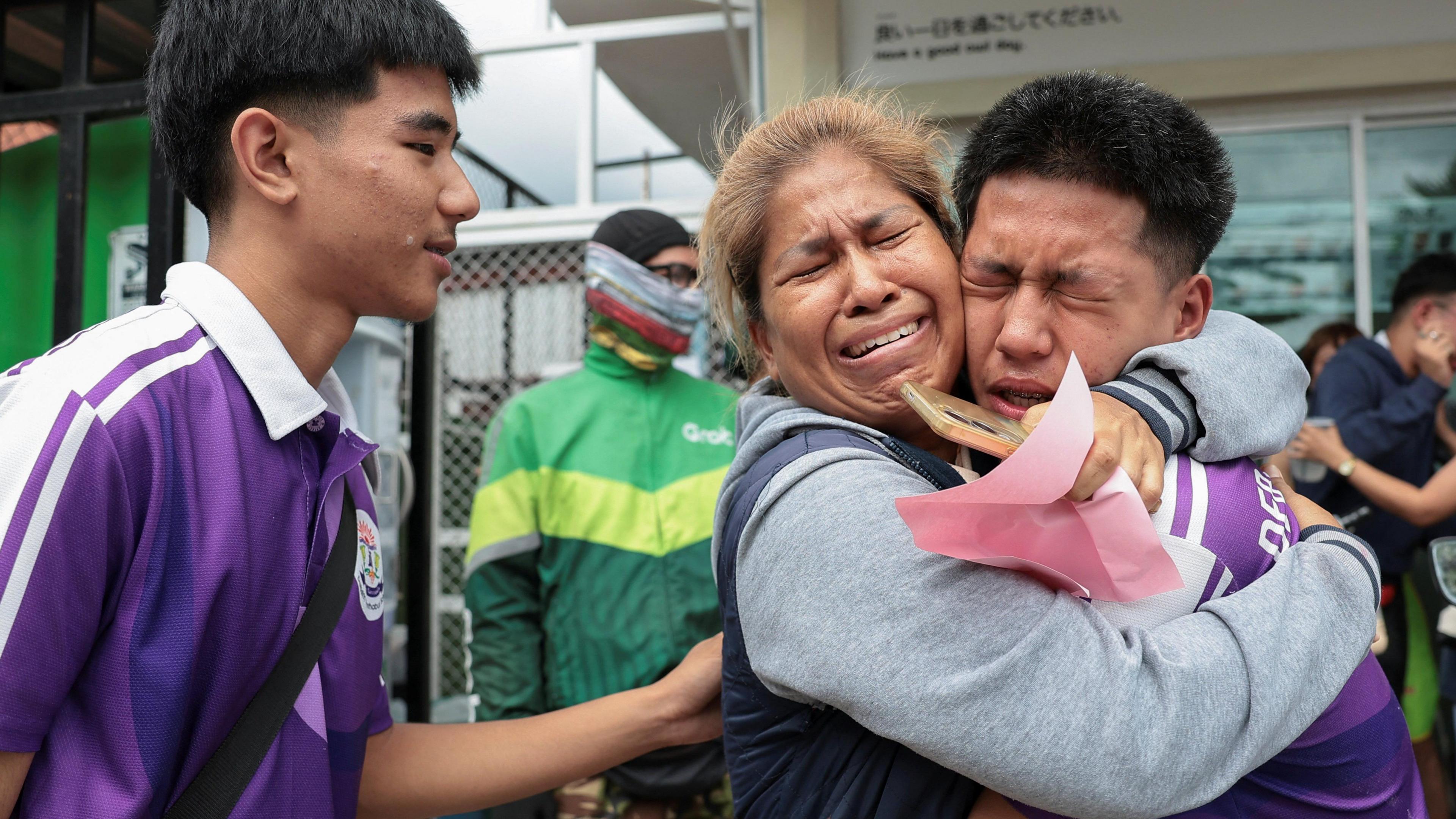
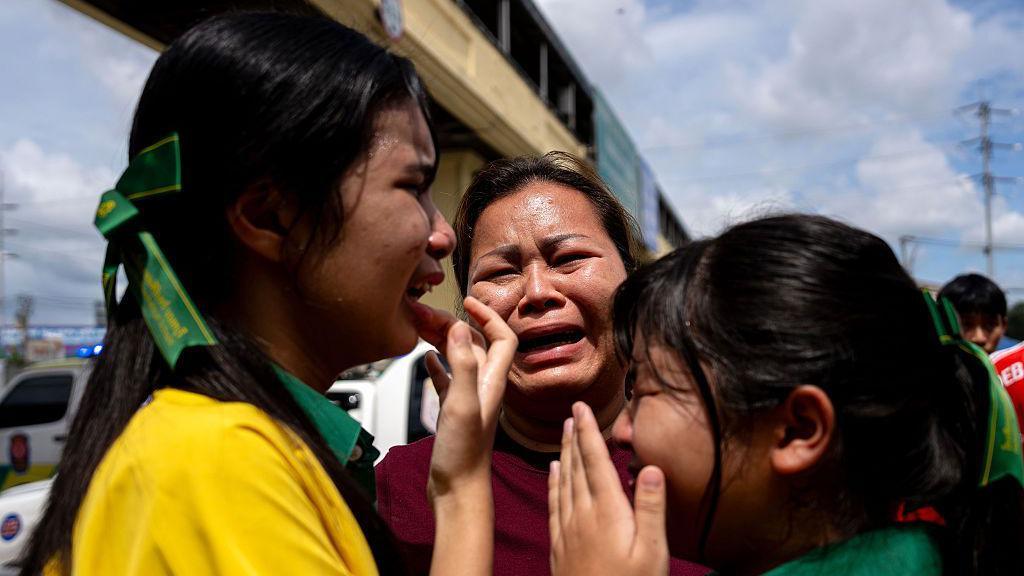
The incident arrives days after a 14‑year‑old boy killed seven people and himself in a tragic school and home shooting — Thailand’s deadliest mass shooting since 2022. While unrelated, the two events prompted renewed scrutiny of firearms regulation.
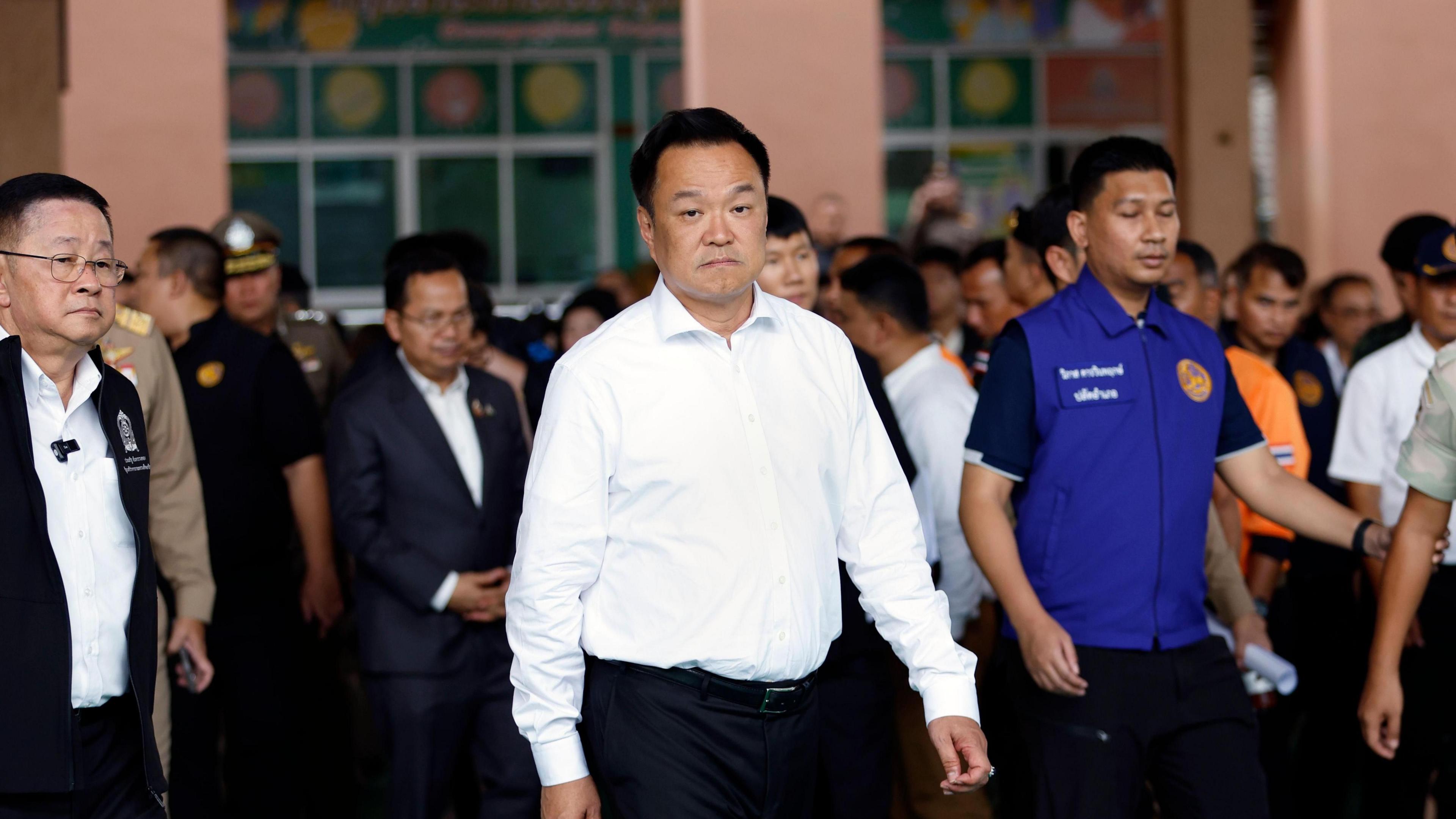
Thai Prime Minister Anutin Charnvirakul has ordered stiffer enforcement of gun laws, including checkpoints and tighter controls on possession, carrying and usage of firearms. The country tops Southeast Asian countries in civilian gun ownership, a fact that has intensified public debate.
Reawraeng was arrested immediately after the shooting. He was later allowed to hold a press conference at the police station, where he described Thongchai as a “good friend” and suggested the event stemmed from a private dispute rather than political motives.
Local authorities in Nonthaburi say the incident will intensify investigations into the safety of public officials and encourage stricter enforcement of existing gun regulations. Meanwhile, civil society groups are pushing for reform of the restrictive yet weakly enforced gun control framework.
The on‑camera confession illustrates a new form of political communication, where officials use social media to address public controversies directly. Whether this transparency mitigates distrust or exacerbates volatility remains a key question for analysts and policymakers.