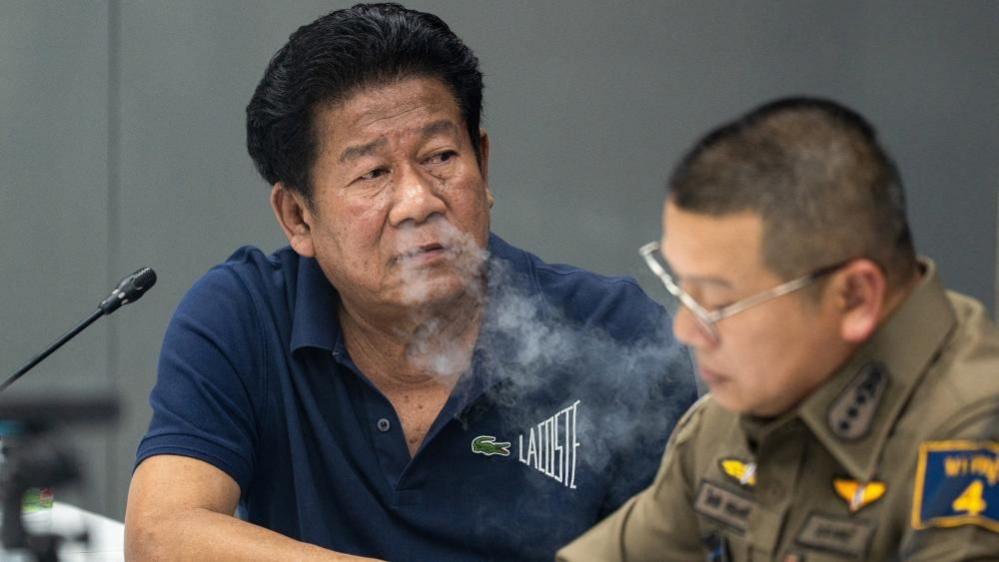
For just a few days, Thailand witnessed a string of gun‑related tragedies: an eight‑victim school shooting, a politician’s fatal conflict with an administrative chief, and a police sergeant shooting his own wife before killing himself. These incidents highlighted the prevalence of civilian firearms, with the country now estimated to have more than 10 million guns, 4 million of them unlicensed. The sheer mass of weapons makes fleeting disagreements potentially lethal.
Thailand’s gun laws require a purchase permit, a possession permit, and, if carried out of home, a third permit. Yet the permits are for life, require no mental‑health checks, and do not demand secure storage. In practice, a 14‑year‑old was able to use his grandfather’s legally owned gun to carry out a school attack. Moreover, a government scheme grants police and officials steep discounts on firearms, a practice that has been suspected of fueling black‑market circulation.
Prime Minister Anutin Charnvirakul has taken steps to tighten control on 1 August by suspending the discount scheme, stopping new purchase licences, and proposing shorter validity for possession permits. He has urged Parliament to draft stricter penalties for violations. The measures reflect a reaction to the public outcry that followed the recent shootings.
Despite regulatory tightening, the conflict remains rooted in cultural norms that view guns as status symbols and weapons of personal power—an attitude reinforced by military presence in society. In children’s celebrations, it is common for families to visit army bases and pose with rifles, lending an aura of prestige to firearms. This worldview, combined with the abundance of unlicensed weapons, ambiguous enforcement, and the prevalence of corruption, undermines incremental progress.
In comparison to its neighbours, Thailand stands out: Indonesia has only 82 000 civilian‑owned guns for a population nearly four times larger; Malaysia has 107 000; but Thailand’s gun‑crimes, often in domestic or bar disputes, are much higher. The Philippines also shares a similar gun culture.
While the government pursues tighter control, gun owners defend themselves by citing personal security concerns and decrying the blanket crackdown. Some argue that illegal weapons are the main drivers of crime, and that legally owned guns are not the central issue. The debate continues as Thailand seeks a balance between public safety and individual rights.